Polls show Democrats leading the generic ballot and raise the possibility of Republican Senate losses in states such as Texas, Kansas and Iowa. In response, Trump and GOP leaders have revived anti-communist rhetoric to paint Democratic opponents as extreme, despite limited electoral success by DSA-backed candidates. Moderates within the Democratic coalition remain numerous and influential, and some of Trump's economic proposals and press restrictions have drawn criticism for resembling strong-state tactics. The gap between fear-driven messaging and political reality will be a key storyline heading into the midterms.
Red Scare Redux: How Trump And Republicans Are Weaponizing 'Communism' Ahead Of The Midterms
Trump and MAGA’s big Red Scare: A midterm ‘communist’ threat built on fear and lies
Every major indicator points to a difficult midterm cycle for Republicans: polls suggest the GOP could lose Senate seats in Texas, Kansas and even Iowa, while the generic congressional ballot has shown Democrats leading in many surveys. Rising gas prices and recent Federal Reserve rate hikes have added to the political headwinds facing the party in power.
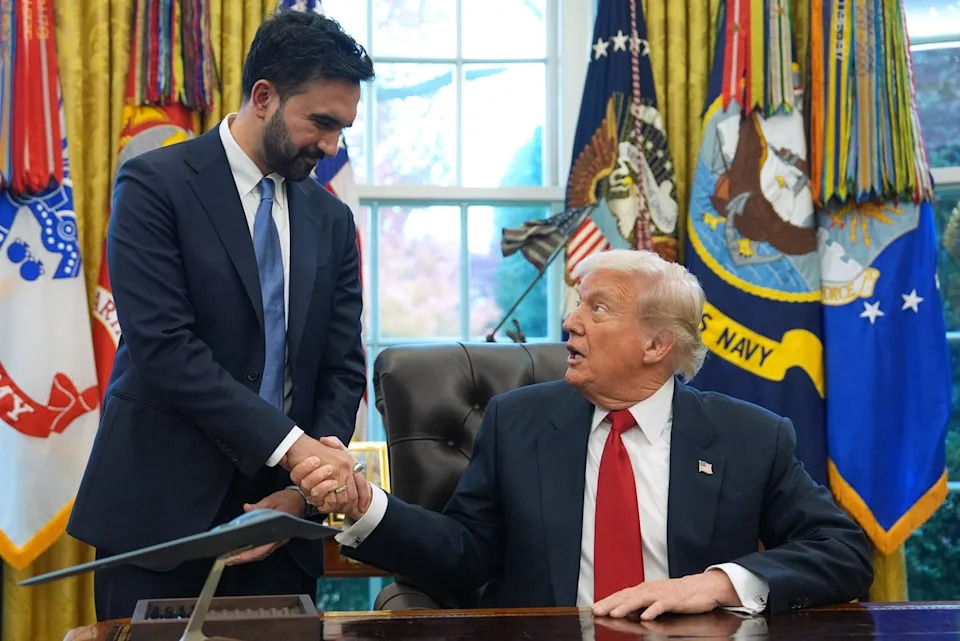
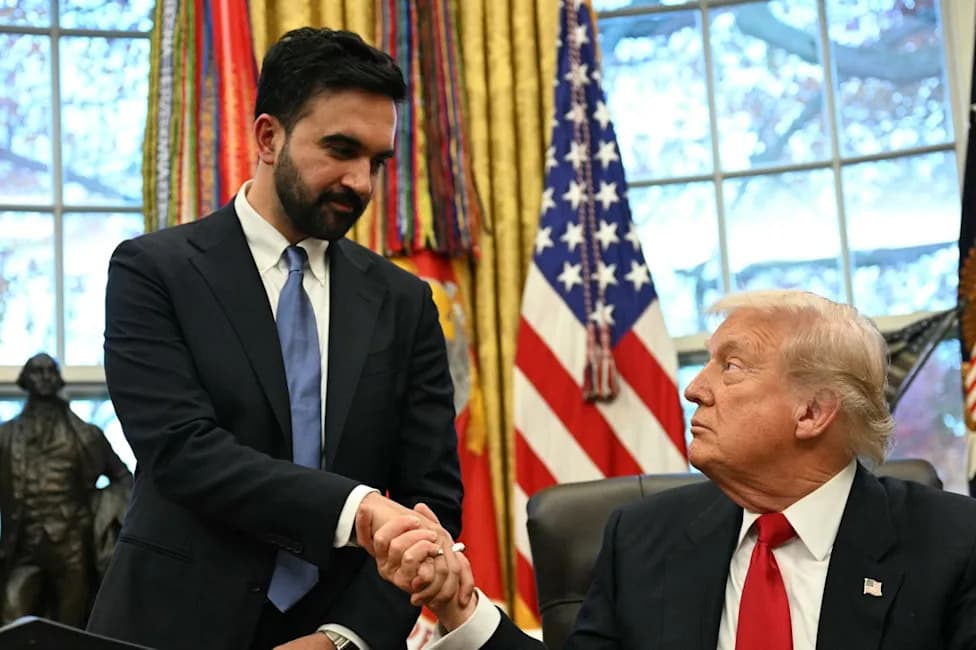
President Donald Trump and Republicans hope to make an issue of the rise of socialist Democrats like New York City Mayor Zohran Mamdani. But it likely will fall flat as Trump meets a second time with the mayor Monday (AP)
Faced with those challenges, President Donald Trump and aligned Republican leaders have resurrected an old tactic: stoking fears about “communism” and “socialism.” At a confrontational GOP midterm convention, speakers repeatedly framed Democrats as beholden to the far left, even attempting to link some Democrats to online figures and socialists in provocative ways.
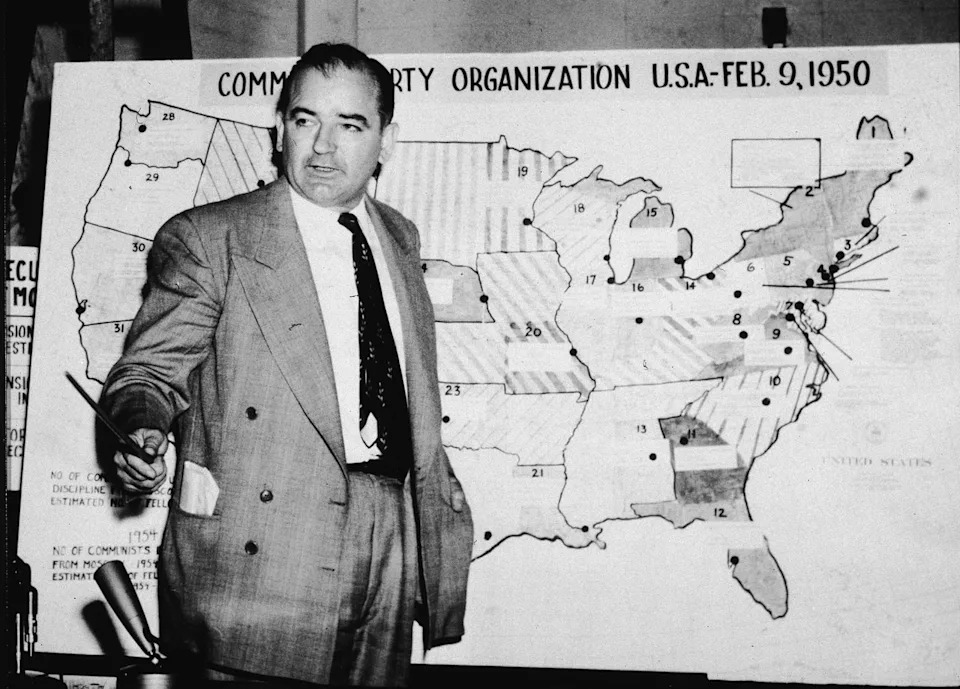
Wisconsin Sen. Joseph McCarthy testifies during the Army-McCarthy hearings, which would ultimately be the downfall of his crusade to cull Communists from America (Getty Images)
Painting The Opposition Red
House Republican Conference Chairwoman Lisa McClain summed up the messaging as “common sense versus communist crazy,” while Speaker Mike Johnson and other leaders have equated socialist policy proposals with a march toward communism. Trump has amplified those themes on Truth Social, sometimes using inflammatory language such as calling to criminalize "democratic socialism."

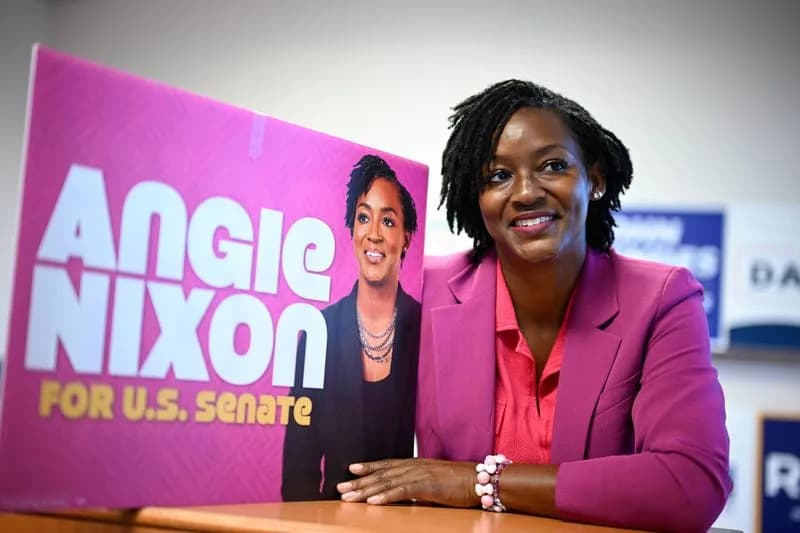
Rather than socialists, most of the Democratic candidates in swing districts are like Rebecca Cooke, a blue dog in Wisconsin's 3rd district. (AP)
What The Numbers Actually Say
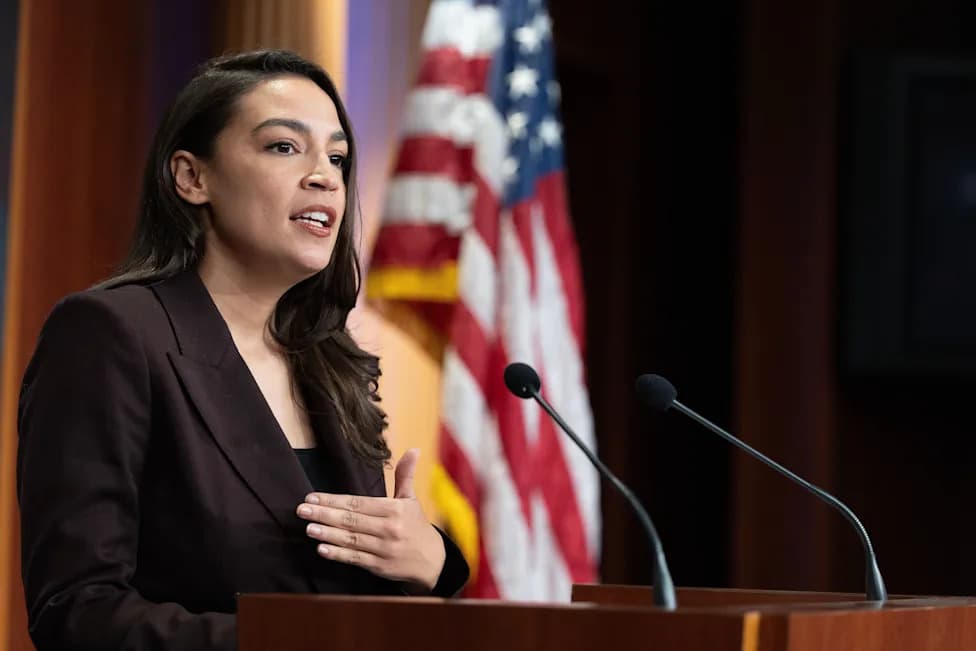
It can be tempting to conclude the Democratic Party is being overtaken by socialists after several high-profile primary upsets where Democratic Socialists of America (DSA)–backed candidates prevailed. But public opinion and candidate rosters tell a more nuanced story. A widely cited New York Times/Siena poll found that a relatively small share of likely voters self-identify as democratic socialists, and prominent progressive figures like Alexandria Ocasio-Cortez carry significant unfavorable ratings alongside their supporters.

Republican House Conference Chair Rep. Lisa McClain (R-MI) speaks alongside Speaker of the House Mike Johnson (R-LA) about Republicans' focus as midterms approach (Getty)
On the ground, moderates remain influential inside the Democratic coalition. Only a handful of DSA-endorsed candidates have won in safely decided primaries, while more moderate groups — including the Blue Dogs and the New Democrat Coalition — have placed dozens of candidates on the path to general-election contests. Those centrist blocs would retain substantial leverage if Democrats regain the House majority.
Rhetoric Versus Reality
Republicans’ repeated use of “communist” as a catchall label often strains credibility when applied to mainstream or moderate Democrats — for example, those with backgrounds in clergy or local government. Many congressional Democrats have publicly rejected socialism; in a recent congressional vote, a substantial number supported a resolution denouncing the "horrors of socialism."
Critics of the GOP strategy also note the irony that some policies championed by Trump and his allies — such as plans for tighter controls on certain exports, proposals to hold golden shares in strategic industries, or one-time cash-payment ideas — carry the appearance of strong-state economic intervention. And actions restricting press access for outlets like CNN, Politico and MSNBC have drawn comparisons from opponents to authoritarian press control.
Bottom line: The Republican red-scare messaging aims to energize the GOP base and sway undecided voters, but the available data and the makeup of competitive Democratic candidates suggest the threat of a socialist takeover is overstated. Voters must weigh heated rhetoric against the actual composition and policymaking tendencies of candidates on both sides.
Help us improve.