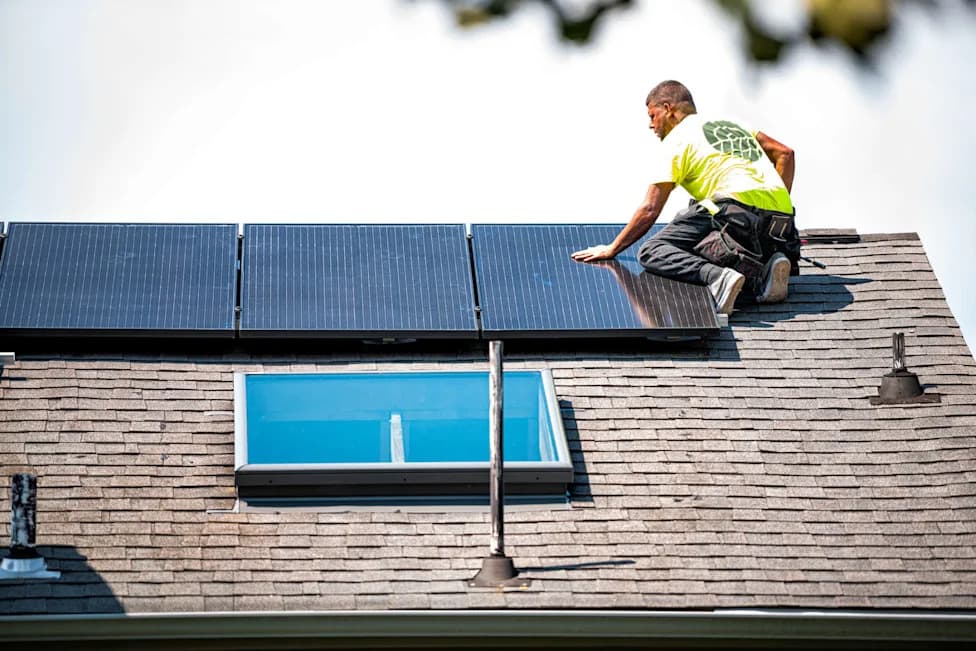
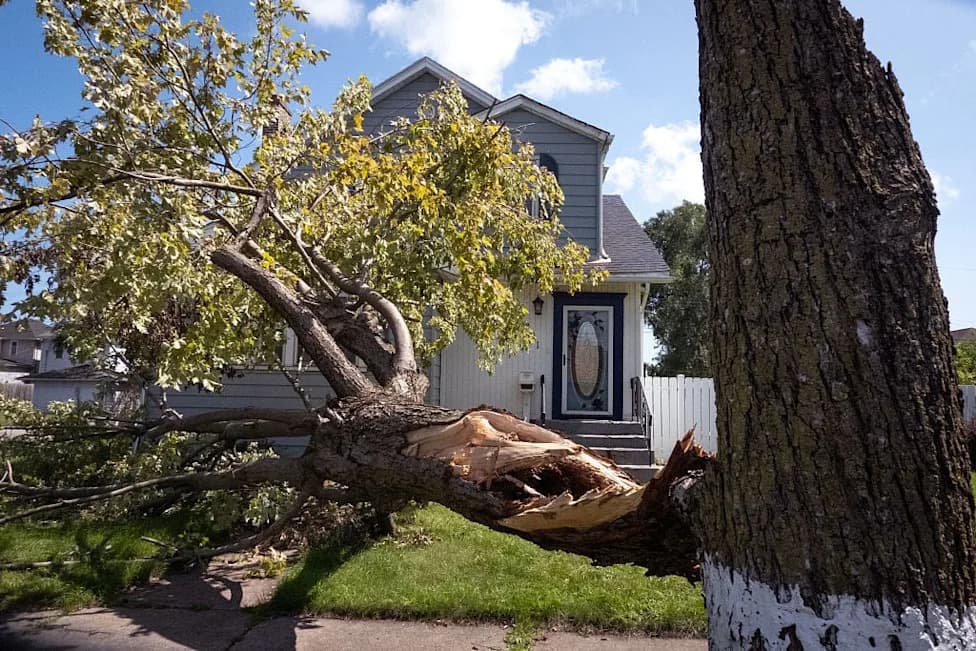
Nearly two years after Hurricane Helene, the Emma neighborhood in Asheville is adopting community-driven solar solutions to increase storm resilience and lower electricity costs. A new 46-kilowatt rooftop array on the La Esperanza community center and a portable 900-watt solar trailer now provide power for critical services and tool charging. Pilot "solar porches" with 15 panels and a Tesla Powerwall 3 have been installed on manufactured homes at no cost to residents, and organizers hope to scale these ideas with additional funding and state microgrid grants.
After Hurricane Helene, Asheville’s Emma Neighborhood Builds Solar Solutions for Resilience and Savings
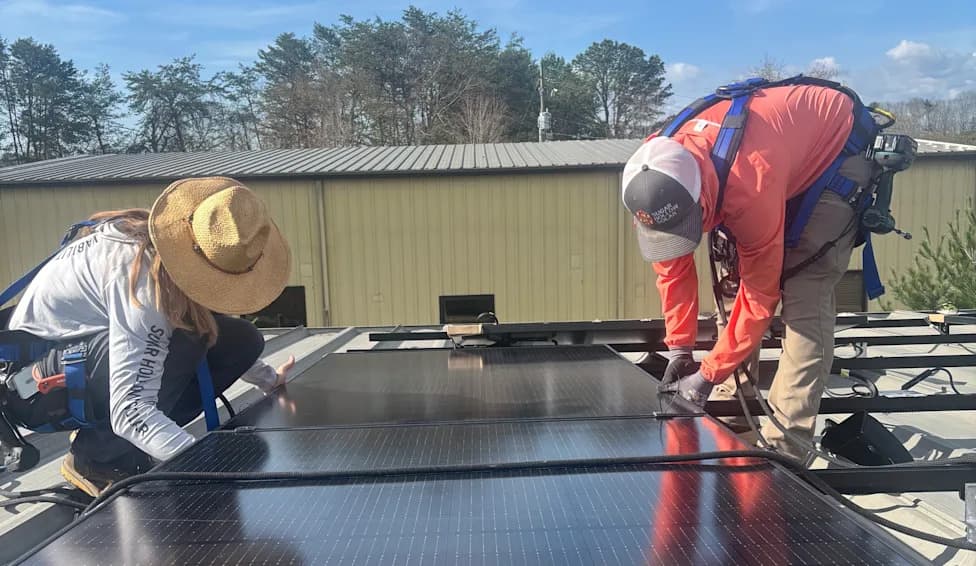
Post–Hurricane Helene, this community is getting creative with solar
ASHEVILLE, N.C. — Nearly two years after Hurricane Helene damaged much of western North Carolina's largest city, residents of Emma — a diverse, largely immigrant neighborhood just northwest of downtown Asheville — are rebuilding with an eye toward greater storm resilience and lower energy costs.
Community Solar Powers Recovery
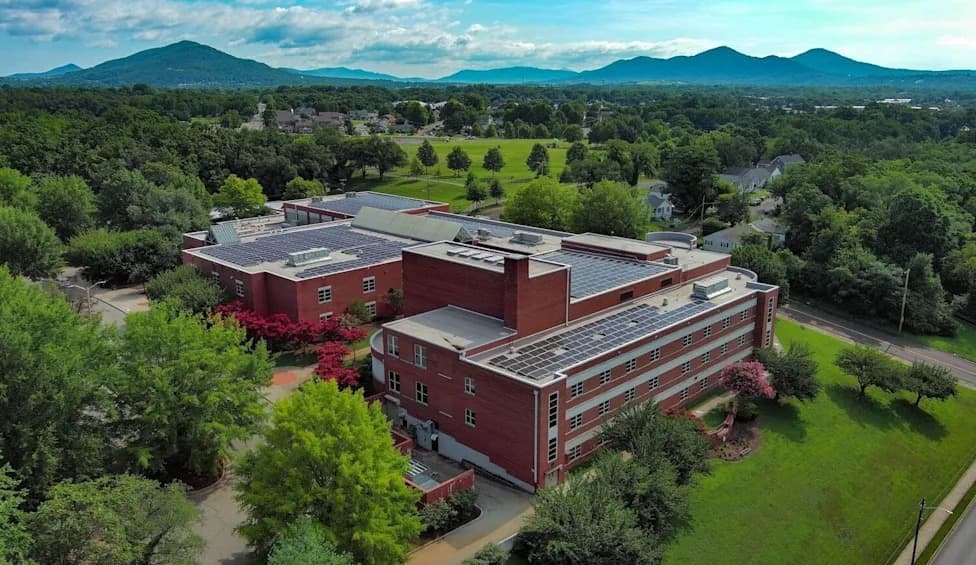
Earlier this month, residents, clean-energy workers and organizers gathered to celebrate a new 46-kilowatt rooftop solar array on the La Esperanza community and cultural center. La Esperanza ("the hope" in Spanish) is a neighborhood real-estate co-op formed in 2019 and a key member of the Poder Emma alliance, which has spent nearly two decades fighting displacement and preserving affordable housing in the area.
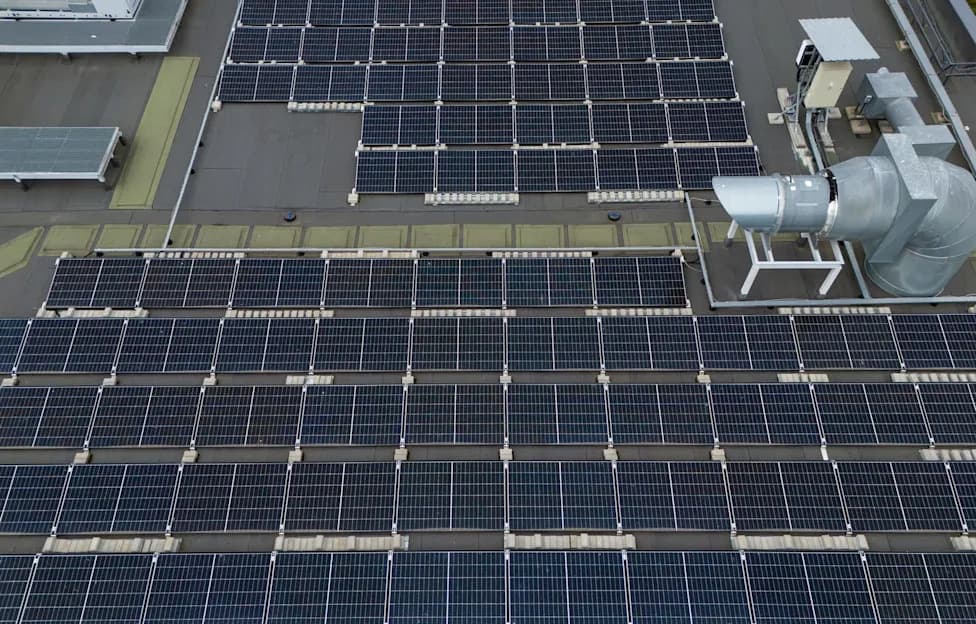
The array — more than 100 panels covering the center's roof — will cut the center’s electric bills by reducing how much energy it draws from the grid, while also serving as an on-site demonstration of community-driven resilience.
Partners, Donations and Creative Financing
The installation was made possible through collaboration among local and regional partners. The Footprint Project, a New Orleans–based sustainable disaster-relief nonprofit, donated the panels and maintained a presence in Emma after the storm. Sugar Hollow Solar, a local installer with offices near the 20,000-square-foot Poder complex, installed the system. Invest Appalachia provided a bridge loan to help Poder manage cash flow while federal rebates are processed and the system begins to pay for itself.
“Suddenly, there was an interest in solar where there hadn't been before,” said Ingrid Johnson, a project manager at Poder. “The reality is that solar can be for communities that are often left out.”
Portable Power: The Solar Trailer
Because a full stationary battery backup proved too costly, partners improvised with a donated trailer outfitted with roughly 900 watts of solar panels and a compact battery. The trailer can plug into the community center and act as a small generator to sustain critical services — internet, refrigeration and the pump for a drinking-water well the collective drilled on-site after Helene severed a city water main.
Beyond emergencies, the trailer serves as a mobile power outlet and tool-charging station for Poder’s home-repair crew, which formed to address Helene’s destruction and will soon expand into energy-efficiency upgrades. That portable power prevents overloads on homeowners’ fuse boxes while crews run drills, saws and other equipment.
Piloting Solar Porches For Manufactured Homes
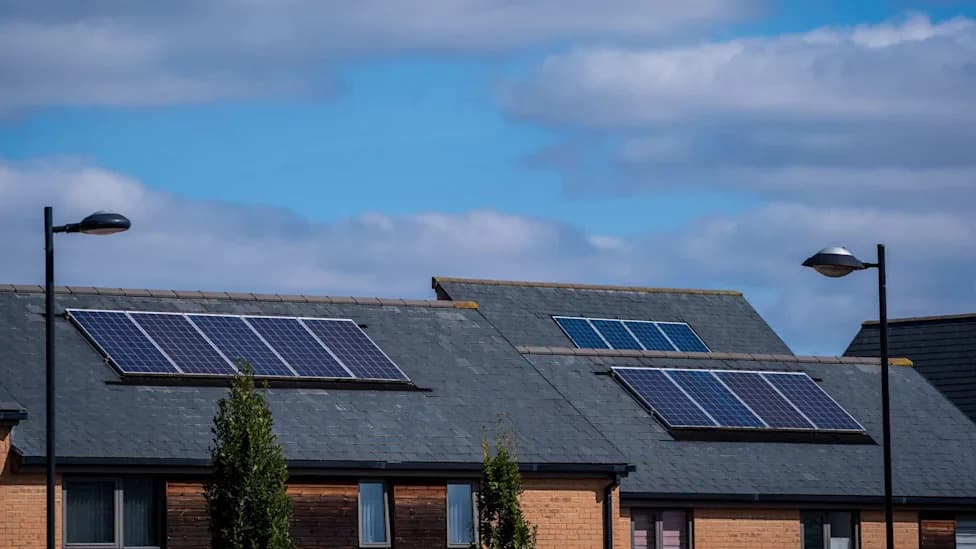
Poder and Sugar Hollow Solar are also piloting household-level solutions tailored to Emma’s housing stock, which includes many manufactured homes. Because many manufactured homes have structural limitations that make rooftop solar difficult, the groups built a custom porch with a roof to host 15 solar panels, backed by a Tesla Powerwall 3 battery. The pilot system was installed at no cost to the household thanks to donations from Footprint and a Sugar Hollow initiative launched in 2025.
“This was a really great pilot project to understand how we can make solar available for mobile homes,” said Clary Franko, COO at Sugar Hollow. The porch doubles as a community gathering space while providing resilient electricity for the home.
Scaling Resilience and Community-Led Decision Making
Staff at the Footprint Project say the portable-trailer approach and other local innovations could inform broader resilience efforts — including a $5 million state grant program to fund 24 microgrids across western North Carolina. Unlike conventional microgrids that rely on large, stationary batteries, the trailer offers a lower-cost, portable alternative communities can deploy quickly.
Organizers emphasize that these solutions came from Poder’s members, not outside experts imposing fixes. “We listen to the community first before we do anything,” said Kelvin Bonilla, who joined Poder’s staff in early 2025 and oversees the home-repair initiative. That community-first approach, partners say, is central to the projects’ acceptance and potential to scale with additional funding.
Help us improve.