Ann Arbor’s Sustainable Energy Utility launched a 2024 pilot in the Bryant neighborhood that installs rooftop solar and batteries at no upfront cost; participants pay seasonal monthly fees. The city-owned program operates alongside DTE Energy, aiming to lower bills, cut emissions and provide outage resilience. Grants of more than $8 million from state agencies and $10.8 million from the U.S. DOE helped seed the pilot, with citywide expansion targeted for 2027.
Ann Arbor’s No-Upfront Solar Pilot Lets Homeowners Add Panels and Batteries for Low Monthly Fees
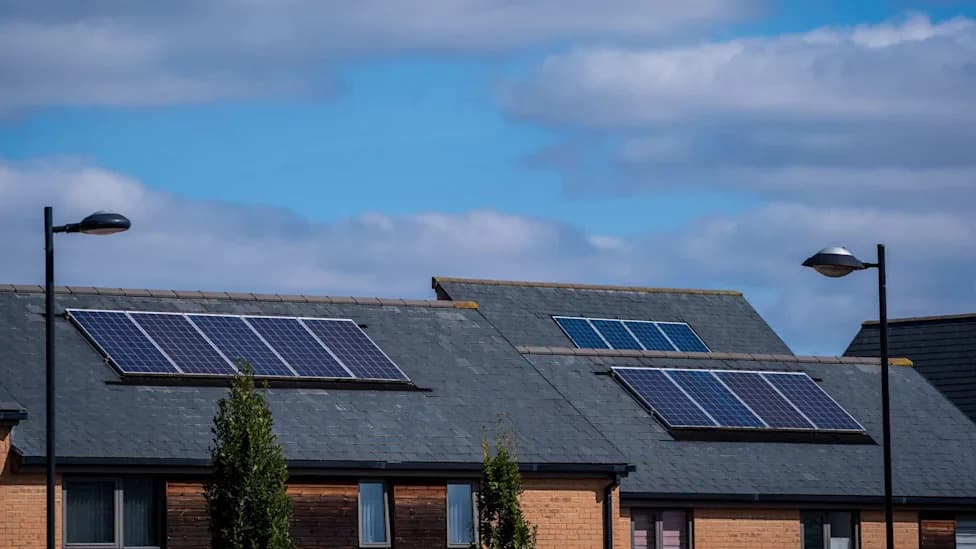
Photo Credit: iStock
Ann Arbor is testing an innovative city-run model to bring rooftop solar and home battery storage to homeowners without the steep upfront price tag that often blocks adoption. Launched in 2024, the Ann Arbor Sustainable Energy Utility funds equipment and installation for participating homes; residents pay seasonal monthly fees and use rooftop power to reduce what they buy from the grid.
How the Pilot Works
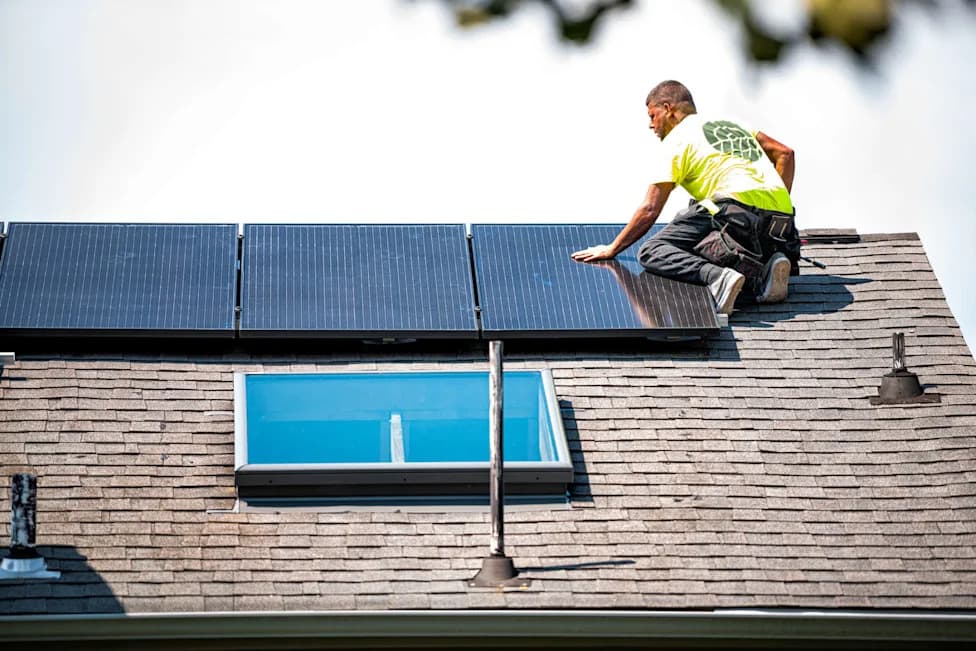
The pilot in the Bryant neighborhood—an area noted for relative affordability—allows the city utility to own and install solar panels and battery systems on enrolled homes. The program operates alongside the incumbent utility, DTE Energy Co., rather than replacing it. Participants may also qualify for home energy assessments, insulation, and necessary roof repairs or upgrades paid for through the program.
Why Residents Are Joining
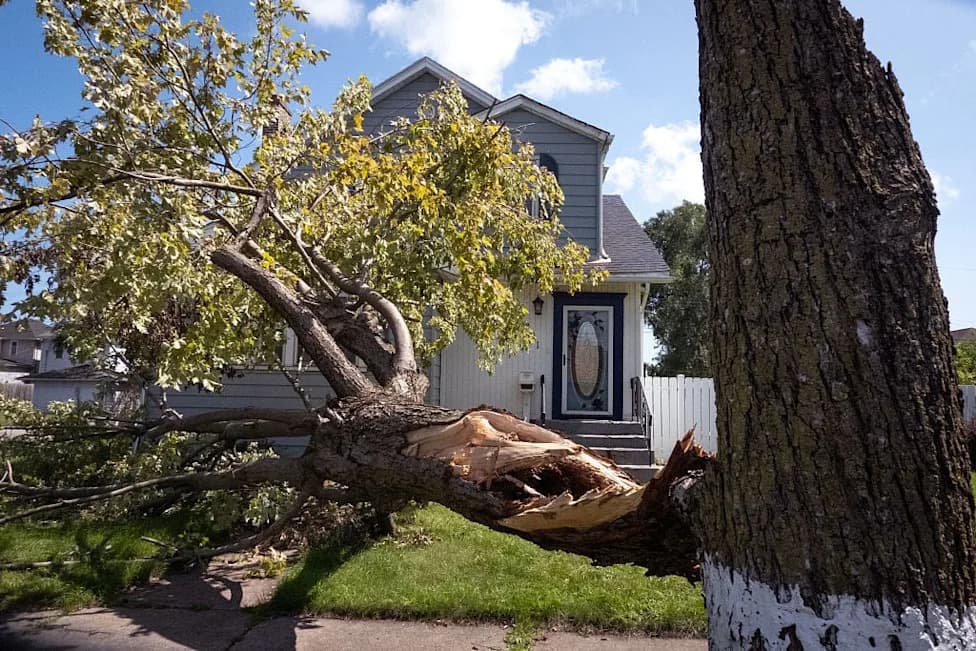
Interest is driven by three main goals: lower energy bills, reduced carbon emissions, and resilience during power outages. A 2025 Michigan Citizens Utilities Board report found Michigan utilities ranked among the least reliable in 2023 and cited relatively high power costs—factors that make local generation plus battery backup especially appealing.
Costs and Savings
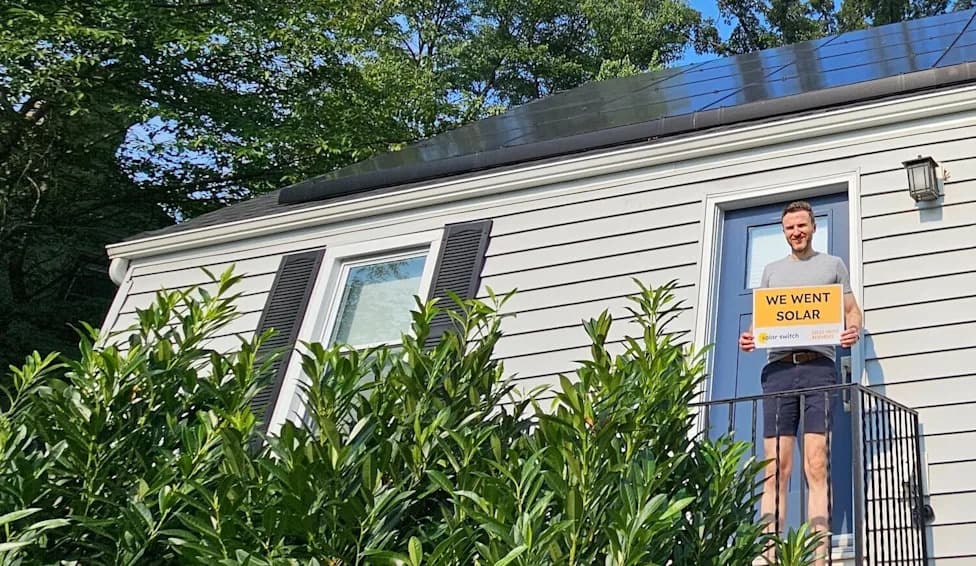
Before the city program, private quotes of roughly $30,000–$70,000 put solar out of reach for many homeowners. Under Ann Arbor’s model, one Bryant participant, Todd Jensen, expects his system to save about $130 a year; the program projects average household savings near $200 annually. Participants pay monthly fees that vary by season instead of a large upfront purchase.
"We're the first of its type in the nation. So we're figuring this out as we go, which is part of why we're doing a pilot here in this neighborhood. We're learning from it, and in 2027, we'll be expanding city-wide," said Shoshannah Lenski, executive director of the Ann Arbor Sustainable Energy Utility.
Funding, Scale and Risks
Grant funding helped launch the pilot—more than $8 million from Michigan agencies (including the Michigan Public Service Commission and the Michigan Department of Labor and Economic Opportunity) and $10.8 million from the U.S. Department of Energy to support neighborhood-scale geothermal planning. City leaders expect to finance future expansion partly through bonds, though Lenski warned that higher borrowing costs and rising solar equipment prices could slow growth.
Community Impact
About one-third of homeowners in Bryant have enrolled so far. The program targets households that might otherwise never install clean energy systems; residents report visible neighborhood upgrades as participants receive insulation, roof work and new systems. Clean energy advocates praise the city’s broader climate strategy, which also includes planning for geothermal deployment supported by federal funding.
What This Means For Homeowners
For homeowners who can’t afford large upfront investments, the model offers an accessible path to clean energy, potential bill savings, and outage resilience from battery storage. Interested residents should consult the city’s Sustainable Energy Utility materials or contact local program staff to learn eligibility and enrollment details.
Note: Estimated savings vary by household energy use, system size and local rates. City officials anticipate a citywide rollout in 2027 if the pilot’s operational and financial lessons prove successful.
Help us improve.