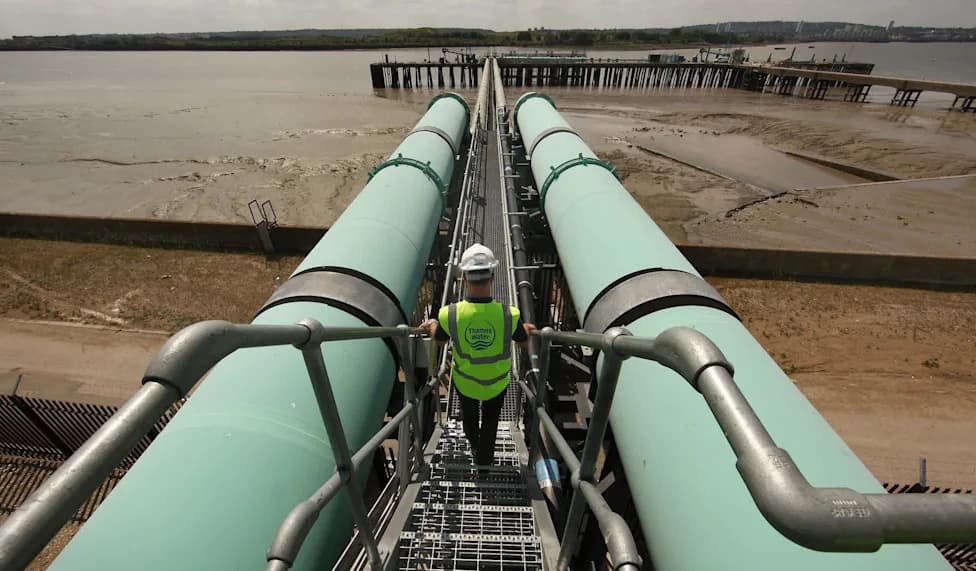
Thames Water removes enough quagga mussels from its pipes each year to fill four Olympic swimming pools, with infestations now costing the company more than £6 million annually. Quagga mussels reproduce rapidly (a single mussel can produce up to 1 million eggs) and can block pipes, while signal crayfish and Chinese mitten crabs erode banks and damage habitats. Thames Water is expanding monitoring and prevention funding and urges the public to follow the "Check, Clean, Dry" guidance and report sightings.
Invasive Quagga Mussels: Thames Water Removes Four Olympic Pools’ Worth From Pipes Each Year
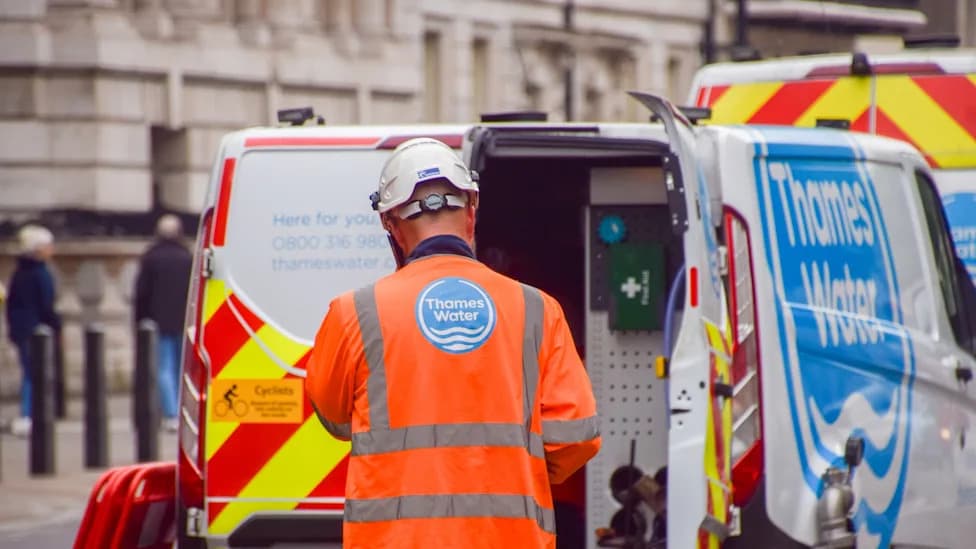
Photo Credit: iStock
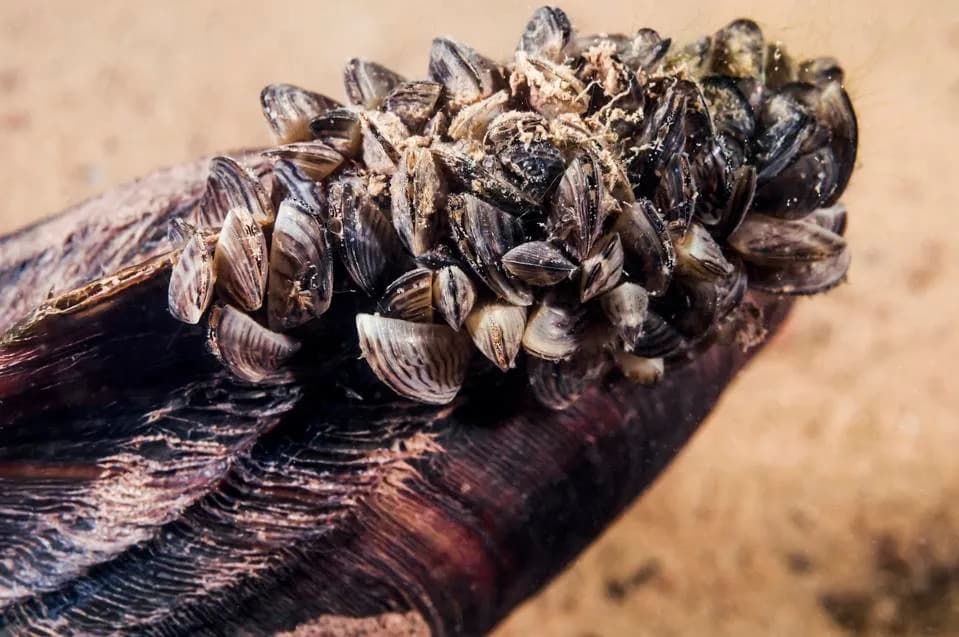
Thames Water says it removes enough invasive quagga mussels from its pipe network each year to fill four Olympic‑sized swimming pools, highlighting how quickly a non‑native species can colonise critical water infrastructure and disrupt services for communities across the UK.
The Scale Of The Problem
Engineers sometimes find tunnels and pipelines jammed with hundreds of thousands of quagga mussels, according to Swindon Link. The company estimates its response to invasive non‑native species now costs more than £6 million (about $8 million) annually, with quagga mussels among the main drivers of that spending.
Despite their small size, quagga mussels reproduce prolifically: a mature mussel can release up to 1 million eggs in a single season, and even a single individual can seed a new infestation. Dense colonies encrust surfaces, restrict water flow and raise the risk of service interruptions.
Other Invasive Threats
Thames Water has also identified signal crayfish and Chinese mitten crabs as major threats. Signal crayfish burrow into banks and can excavate roughly two metres (6.6 feet) into waterway banks, leaving canals vulnerable to collapse and increasing siltation that narrows channels and pipes. Chinese mitten crabs, recognisable by the furry tips on their claws, can damage habitats and outcompete native species.
How Removal Works And Why It’s Costly
Severe mussel buildups sometimes require hydro‑blasting and specialist diver teams to remove them. Once invasive species become established, removal is technically difficult, expensive and time‑consuming, and the damage to ecosystems and infrastructure can persist for years.
Impact On Households And Rivers
When invasive species clog pipes, weaken banks and damage water networks, the consequences reach households through higher operating costs, more frequent service interruptions and greater pressure on already stressed waterways. Thames Water warns these species are also significant drivers of biodiversity loss because they can displace native wildlife and disrupt river and canal ecosystems.
What Thames Water Is Doing
The company has committed funding to expand monitoring and prevention over the coming years as part of a broader programme to improve river health and increase resilience across its network. Thames Water says managing invasive species is closely linked to other environmental initiatives, including habitat connectivity work and Biodiversity Net Gain strategies.
How The Public Can Help
Thames Water urges the public to follow the government’s "Check, Clean, Dry" guidance: clean and thoroughly dry boats, footwear, clothing and equipment after use. The company also advises against releasing garden, pond or aquarium plants into the wild, forbids releasing pets into natural waterways and asks people to report sightings of priority invasive species.
"Quagga mussels may be small but the impact they have on our network is anything but," said Alexandra Collington, Biosecurity & Invasive Non‑Native Species Officer at Thames Water. "They pose a significant threat to native wildlife and biodiversity, affecting the health and balance of our ecosystems."
Early detection and public vigilance are essential: preventing spread is far cheaper and easier than long‑term removal and repair.
Help us improve.