An elderly Wisconsin woman lost $135,200 after responding to a fake Microsoft security pop-up that led to gift-card purchases, about $56,000 in Bitcoin transfers and two in-person cash handoffs. Police arrested Tao Wu at a scheduled pickup; he pleaded no contest to felony theft and was sentenced to 2½ years in prison, though the phone caller who orchestrated the scheme remained at large. Microsoft and the FTC warn genuine security alerts never ask for payments by gift card or cryptocurrency. Victims can report scams at IC3.gov or call the DOJ National Elder Fraud Hotline at 833-372-8311 for help.
Fake Microsoft Alert Drained $135,200 From Wisconsin Retiree; Cash Collector Sentenced
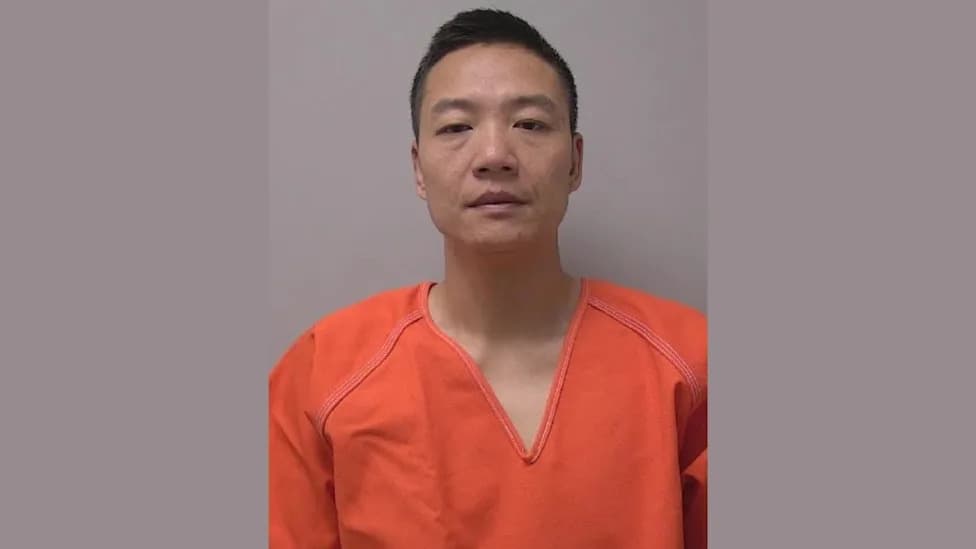
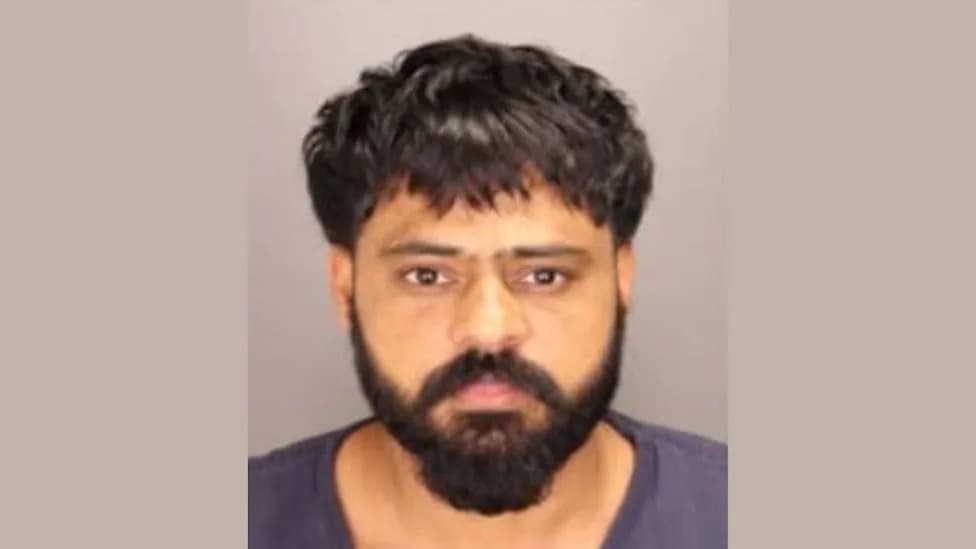
Image Credit: Stockton Police Department.
An elderly Wisconsin woman lost $135,200 after responding to a bogus Microsoft security pop-up that triggered nearly a month of purchases, cryptocurrency transfers and in-person cash handoffs.
How the Scam Worked
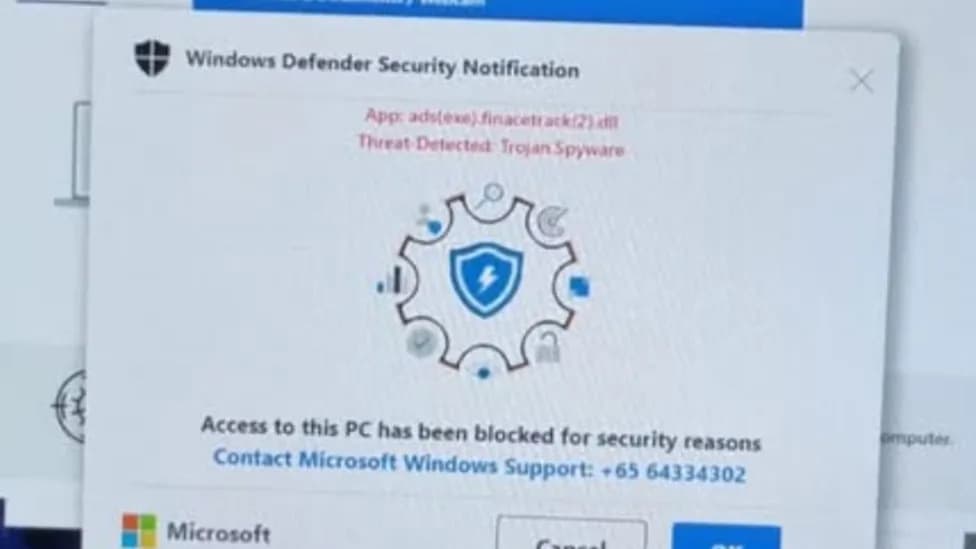
The scheme began in October 2024 when a pop-up on the woman's computer warned that her security had been compromised. When she called the phone number shown, she reached a man who said he worked for the "Microsoft Fraud Division" in Redmond, Washington. He provided an employee ID and claimed someone had used her personal information to make a $5,200 purchase of pornographic material.
The caller then transferred her to a person posing as her bank's technical-support representative. That person told her to replicate the alleged transaction so it could be canceled and assured her the funds would be held on a "secure bank line" and later returned. The scammers even gave her a phrase, "I love white horses," to reassure her that the channel was secure.
Escalation: Gift Cards, Bitcoin, Cash
For nearly a month, a caller contacted the victim almost daily with step-by-step instructions. She purchased about $9,200 in gift cards and read the numbers to the caller, bought roughly $56,000 in Bitcoin and transferred it as instructed, and in two separate home exchanges handed over $25,000 and $45,000 in cash to men who arrived to collect it. Investigators say these transactions, combined with other transfers, totaled $135,200 and drained her checking and savings accounts.
Investigation, Arrest and Court Outcome
The fraud was discovered in November 2024 after the victim's retirement company noticed suspicious activity and alerted her son, who reported it to law enforcement. A witness to an earlier cash pickup provided a physical description that led officers to wait for a scheduled Nov. 18 collection. When Tao Wu arrived to collect money, officers arrested him.
Court records indicate Wu, 38, was one of the in-person collectors but was not the person making the phone calls; the caller phoned the victim again after Wu was already in custody. Wu pleaded no contest in March 2026 to felony theft and was sentenced on July 20 by Marathon County Circuit Judge Mike Moran to 2½ years in prison followed by five years of extended supervision. The court credited Wu for time already served. A separate hearing will determine how much restitution he must pay toward the woman's $135,200 loss.
Official Warnings and What To Do
Microsoft warns that genuine Windows error and security messages never include a phone number. The company says it does not make unsolicited calls asking for personal or financial information and will never demand payment via Bitcoin or gift cards. The Federal Trade Commission likewise cautions that any caller insisting money must be moved to "protect" it is running a scam. Banks, technology companies and government agencies do not instruct customers to buy gift cards, convert savings into cryptocurrency, or hand cash to a courier.
If a warning displays a support number, Microsoft advises closing the message without calling. If the browser will not close normally, use Alt+F4 or restart the computer, then contact support through Microsoft's official website rather than through the pop-up.
To report similar scams, the FBI accepts complaints at IC3.gov. People age 60 or older who need help filing a complaint may call the Justice Department's National Elder Fraud Hotline at 833-372-8311.
Help us improve.