Recent surges of measles in the U.S., ongoing Cyclospora-linked foodborne outbreaks, and a rapidly expanding Ebola epidemic in the DRC expose gaps in public-health systems. Falling vaccination coverage, reduced laboratory and epidemiologic capacity, and major funding shortfalls have hindered detection and response. Experts warn that sustained investment, transparent communication and stable global partnerships are essential to prevent outbreaks from becoming uncontrolled.
Measles, Cyclospora and Ebola Reveal Cracks in Global Public Health — Funding, Trust and Labs Under Strain
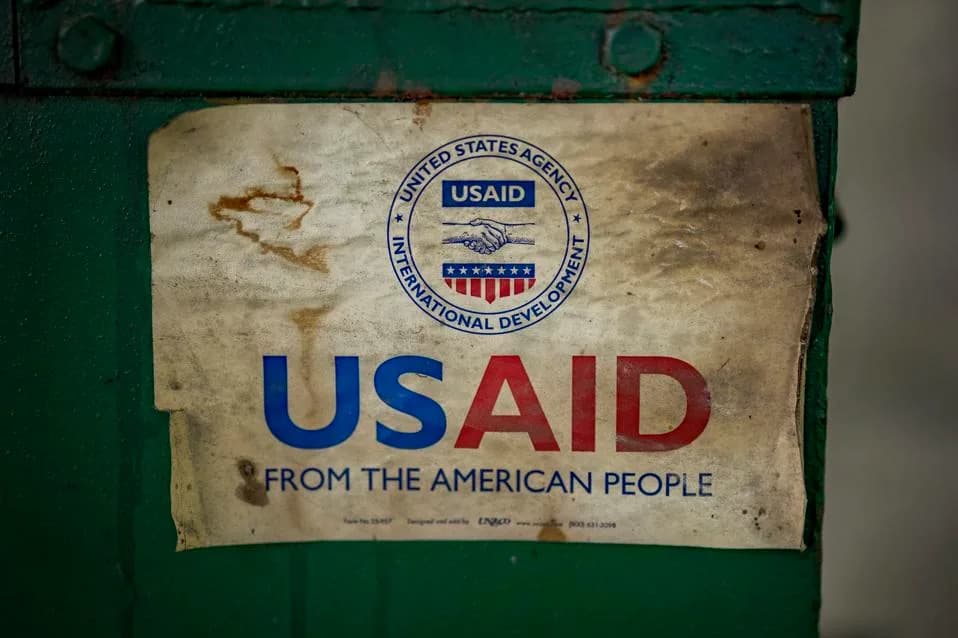
The USAID logo is seen on a machine that processes recycled plastic into construction blocks at the Pasig Eco Hub, a project impacted by the Trump administration's freeze on foreign aid (Photo by Ezra Acayan/Getty Images)Getty Images
Recent outbreaks of measles in the United States, recurring waves of Cyclospora-linked foodborne illness, and a rapidly expanding Ebola epidemic in the Democratic Republic of the Congo are distinct events that nonetheless point to the same fragile reality: national and global public-health systems are under-resourced and strained.
Measles: A Preventable Disease Returns
The United States is experiencing the largest number of measles cases in a single year in more than three decades. Johns Hopkins University’s U.S. measles tracker reports 2,295 cases so far, and roughly 93% of those infections occurred in people who were unvaccinated or whose vaccination status is unknown. Measles was declared eliminated in the U.S. in 2000 largely because of the measles, mumps and rubella (MMR) vaccine, which provides about 97% protection after two doses. Public-health experts estimate that about 95% vaccination coverage is needed to sustain herd immunity; at least 39 states currently report school measles vaccination rates below this threshold.
Cyclospora: When Labs and Investigations Fall Short
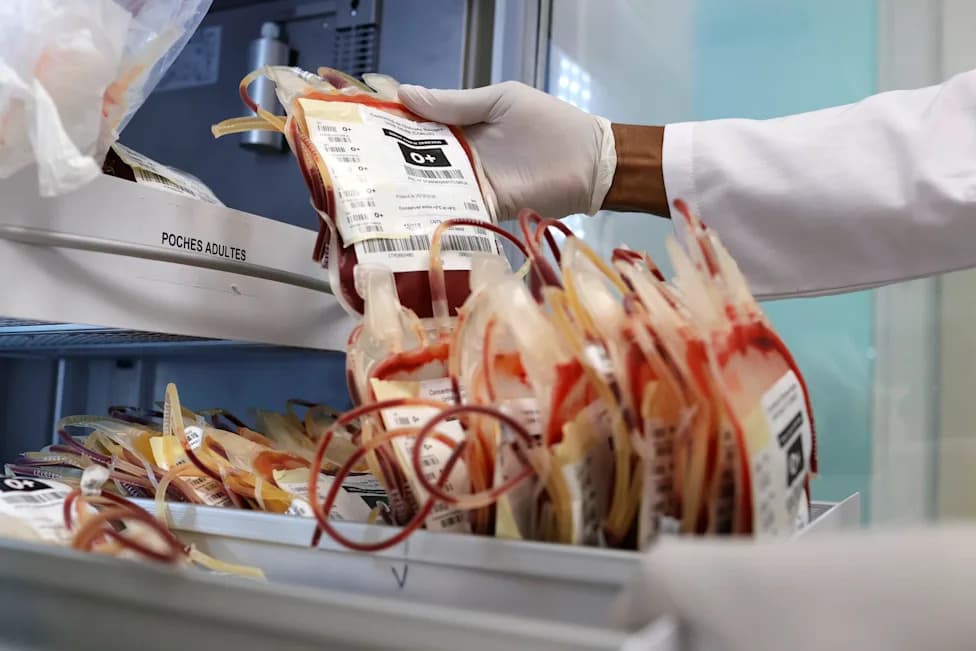
Cyclospora is a microscopic parasite that causes cyclosporiasis, a foodborne illness often associated with contaminated fresh produce. Tracing the source of contaminated food requires detailed case interviews, coordinated epidemiologic work and specialized laboratory testing. The parasite’s long incubation period—people can develop symptoms up to two weeks after exposure—complicates investigations and sample testing. Staffing cuts and the downsizing of laboratory capacity at federal and state levels have further hampered timely detection and source identification, making outbreaks harder and slower to control.
Ebola: Global Funding and Local Realities
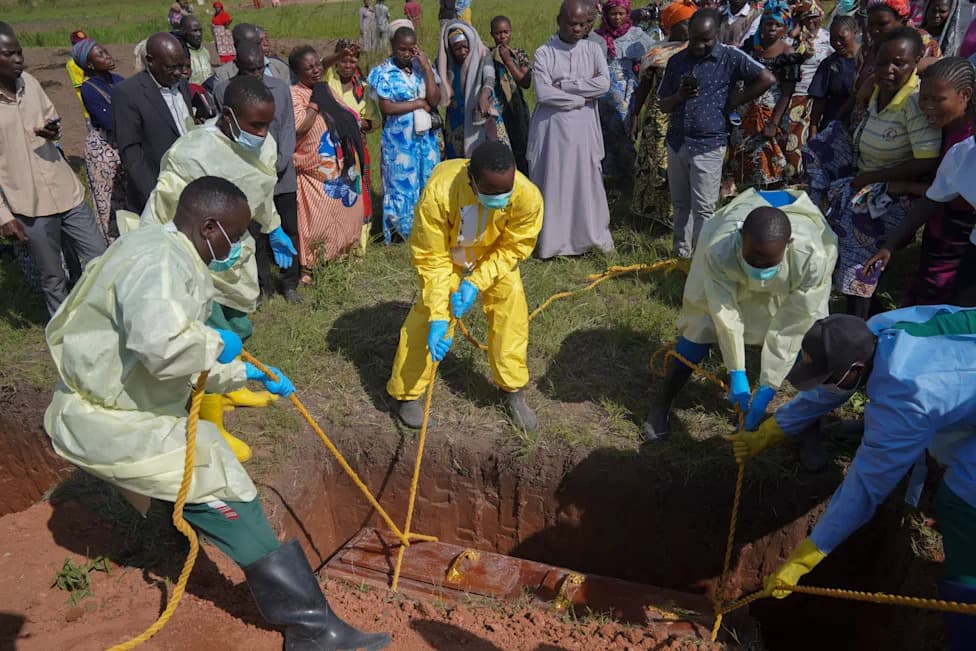
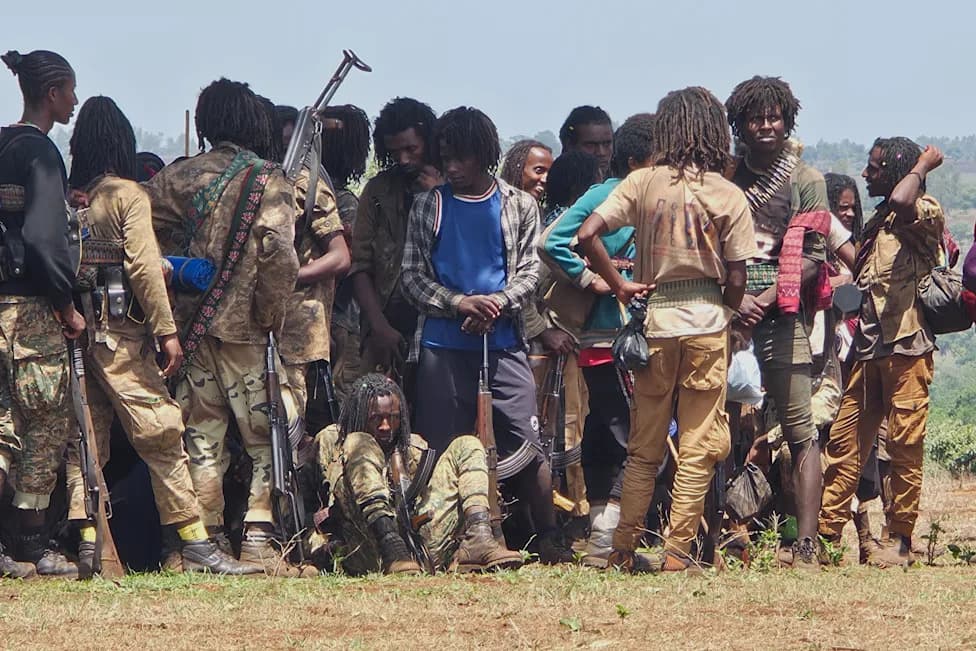
The Ebola outbreak in the DRC is the fastest-growing Ebola epidemic on record, with more than 2,500 confirmed cases and over 1,000 deaths reported. In mid-July, the World Health Organization said a joint $518 million plan to fight Ebola in partnership with the Africa CDC faced a funding gap exceeding $400 million. Cuts to global aid, including reductions in support from agencies such as USAID, have reduced personnel, laboratory capacity and equipment in affected areas. While conflict, political instability and community mistrust also shape the outbreak’s trajectory, consistent international funding and local capacity remain essential for rapid detection and response.
What These Outbreaks Teach Us
Measles, cyclosporiasis and Ebola underline common vulnerabilities: declining routine immunization coverage, weakened laboratory and epidemiologic networks, and unstable global funding for surveillance and response. When public health is under-funded or public trust erodes, systems shift from prevention and early detection to costly emergency response.
Policy Imperatives
Addressing these gaps requires: sustained investment in vaccination programs and laboratory networks; clear, transparent communication to rebuild public trust and counter misinformation; strengthened epidemiologic capacity at state, national and international levels; and reliable global partnerships and funding to support outbreak detection and response where resources are limited.
Bottom line: The outcome of the next infectious threat will be shaped long before it arrives—by how much we invest in prevention, surveillance and global cooperation today.
Originally published on Forbes.com.
Help us improve.