Laboratory scientists meeting in Lome, Togo, warned that West African health systems are weakening and urged urgent investment in outbreak detection and diagnostics. Drawing lessons from the 2014–2016 Ebola epidemic and recent outbreaks, experts called for regional cooperation, stronger laboratory networks, and more investment in training and personnel. They warned that viruses can spread undetected and that reliance on external vaccine supplies leaves the region vulnerable.
West African Scientists Warn Health Systems Are Weakening — Urgent Call To Boost Outbreak Detection
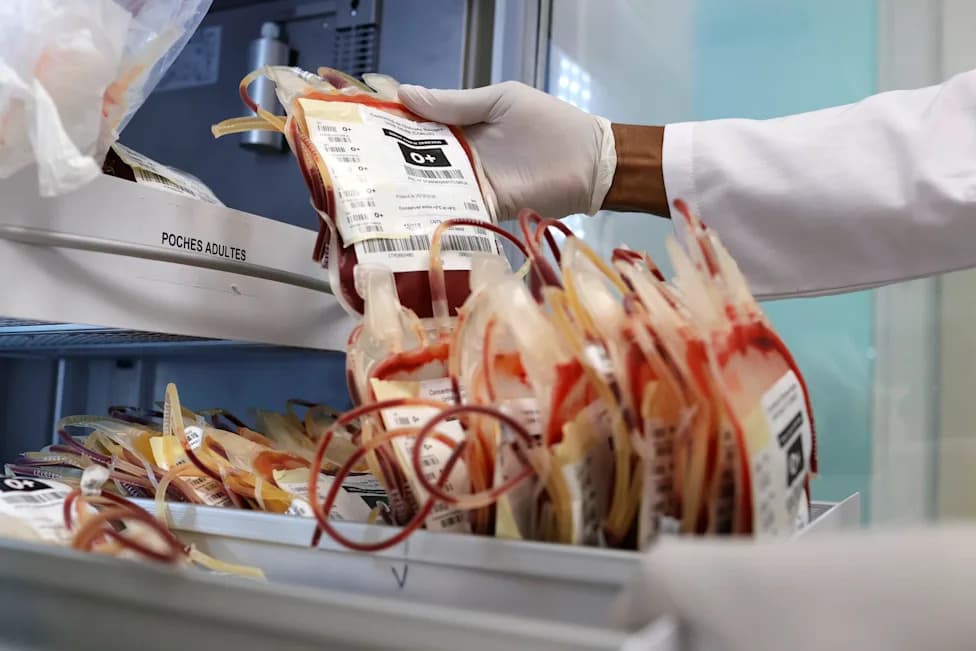
A specialist handles blood bags inside a laboratory at a hospital during a regional congress focused on strengthening laboratory capacity and preparedness following lessons from Ebola and COVID-19, in Lome, Togo, Wednesday, Sept. 16, 2026. (AP Photo/Erick Kaglan)(AP Photo/Erick Kaglan)
LOME, Togo (AP) — Laboratory scientists from across West Africa warned Friday that health systems in the region are deteriorating and urged governments to strengthen surveillance and diagnostic capacity to prevent future epidemics.
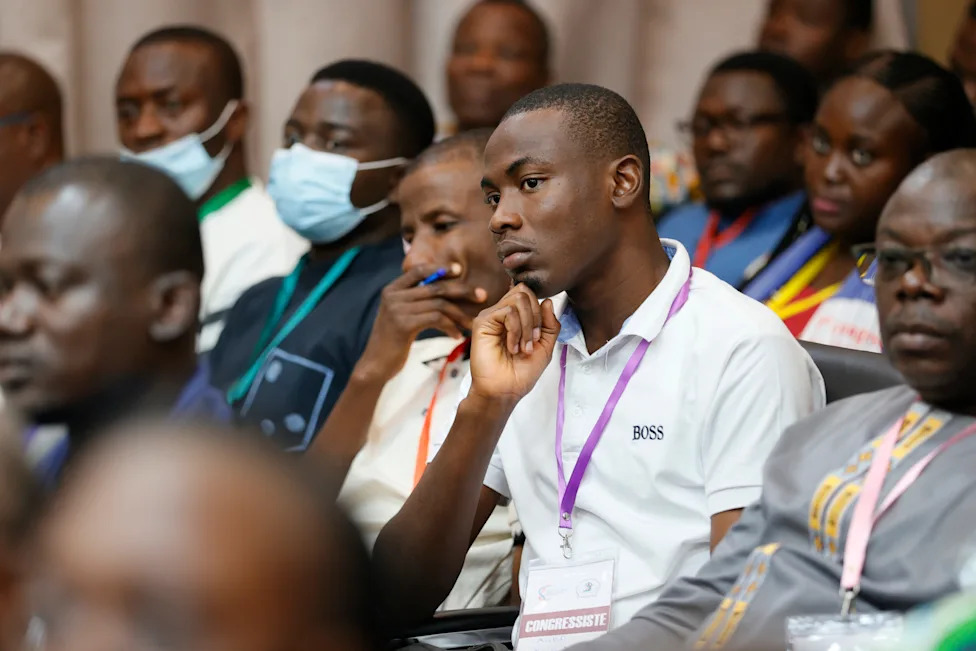
Participants listen during during a regional congress focused on strengthening laboratory capacity and preparedness following lessons from Ebola and COVID-19, in Lome, Togo, Friday, Sept. 18, 2026. (AP Photo/Erick Kaglan)(AP Photo/Erick Kaglan)
Regional experts gathered in Lome this week to assess readiness for infectious disease events and to highlight continued reliance on vaccines supplied from Western countries. Delegates emphasized that stronger, locally led detection systems are essential to avoid repeating the toll of past crises.
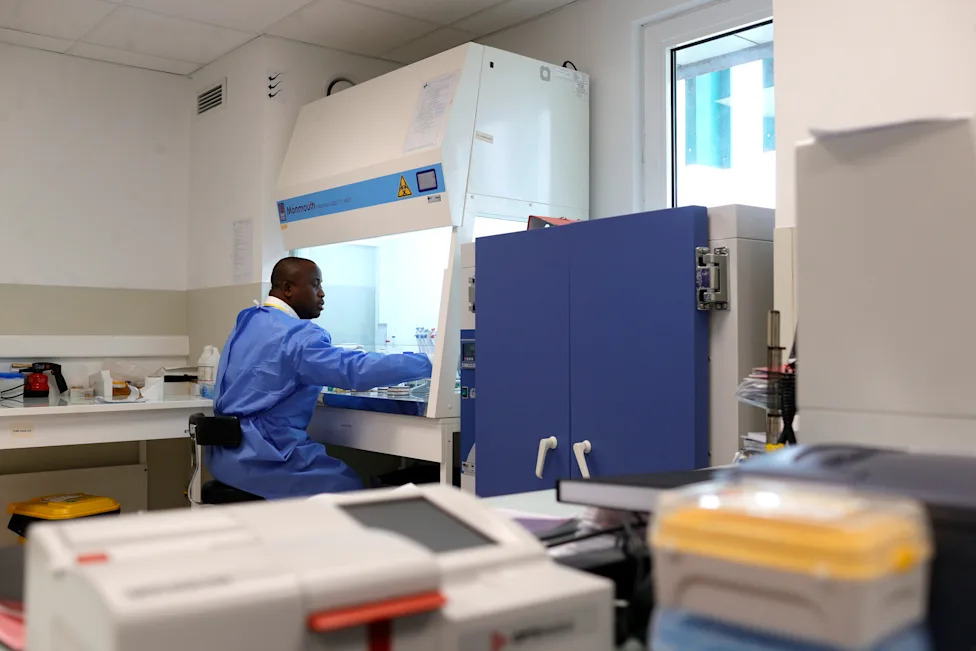
A specialist works inside a laboratory at a hospital in Lome, Togo, Wednesday, Sept. 16, 2026, during a regional congress focused on strengthening laboratory capacity and preparedness following lessons from Ebola and COVID-19. (AP Photo/Erick Kaglan)(AP Photo/Erick Kaglan)
Lessons From Past Outbreaks: Speakers pointed to the 2014–2016 West Africa Ebola epidemic, which killed at least 11,000 people—mostly in Guinea, Liberia and Sierra Leone—as a warning about the cost of delayed responses. They also warned that recent events show how quickly viruses can spread if not detected.
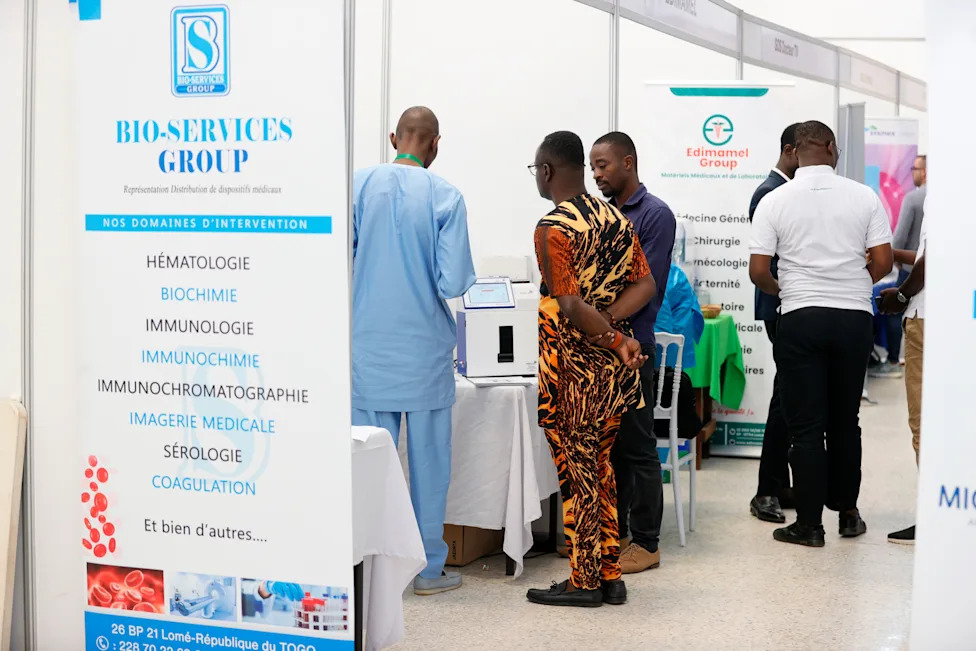
Participants view laboratory equipment at exhibit booths set up during a regional congress focused on strengthening laboratory capacity and preparedness following lessons from Ebola and COVID-19, in Lome, Togo, Friday, Sept. 18, 2026. (AP Photo/Erick Kaglan)(AP Photo/Erick Kaglan)
Recent Alerts: Delegates noted that the rare Bundibugyo strain of Ebola has been associated with thousands of cases and fatalities in the Democratic Republic of Congo since mid-May, and the Africa Centers for Disease Control and Prevention has said the true tolls may be several times higher than official counts. Officials characterized that outbreak as one of the fastest-spreading Ebola events in history, in part because the virus circulated undetected for weeks. In a separate incident, hantavirus was detected on a cruise ship that called at Cape Verde in May.
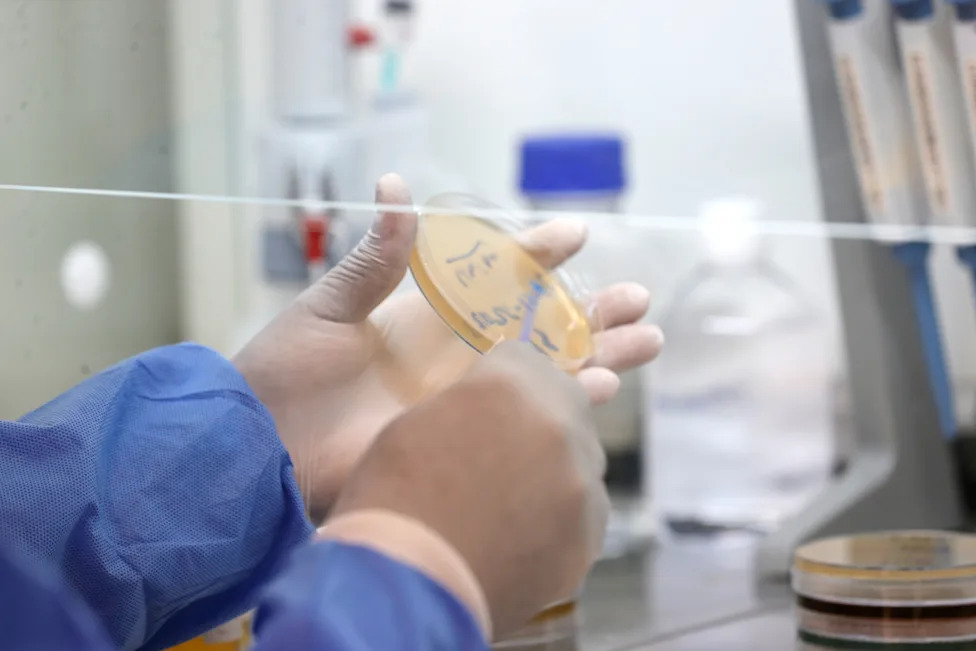
A specialist examines a culture plate inside a laboratory at a hospital during a regional congress focused on strengthening laboratory capacity and preparedness following lessons from Ebola and COVID-19, in Lome, Togo, Wednesday, Sept. 16, 2026. (AP Photo/Erick Kaglan)(AP Photo/Erick Kaglan)
Calls To Action: "We need to anticipate these outbreaks," said Kossi Kabo, head of the Association of Medical Biologists of Togo and co-chair of the congress. "We shouldn't wait for an epidemic to emerge somewhere before responding. By then, it would be too late."
Speakers urged coordinated regional investment in laboratory networks, training for medical laboratory personnel, and expanded diagnostic capacity so cases can be identified quickly and locally. "Governments must invest in people as much as in infrastructure," said Arthur Bodurie Calvin Garber, president of the Sierra Leone Association of Medical Laboratory Scientists.
Why It Matters: Experts warned that when immediate threats recede, maintenance and funding for surveillance systems often decline—leaving countries vulnerable to future outbreaks. Strengthening local detection and diagnostics, improving regional cooperation, and reducing dependence on external vaccine supplies were cited as priorities to build lasting resilience.
Help us improve.