ACTs remain the cornerstone of malaria treatment, but artemisinin-tolerant parasites have been detected in parts of Africa, with Uganda the most concerning hotspot. Surveillance for resistance markers—especially Kelch13 mutations—and treatment-failure rates is uneven across the continent. Experts call for expanded molecular monitoring, diversified first-line therapies, stronger health systems and investment in local manufacturing to prevent widespread antimalarial failure and large economic losses.
When Could Malaria Drugs Stop Working in Africa? Inside the Race to Protect Artemisinin Therapies
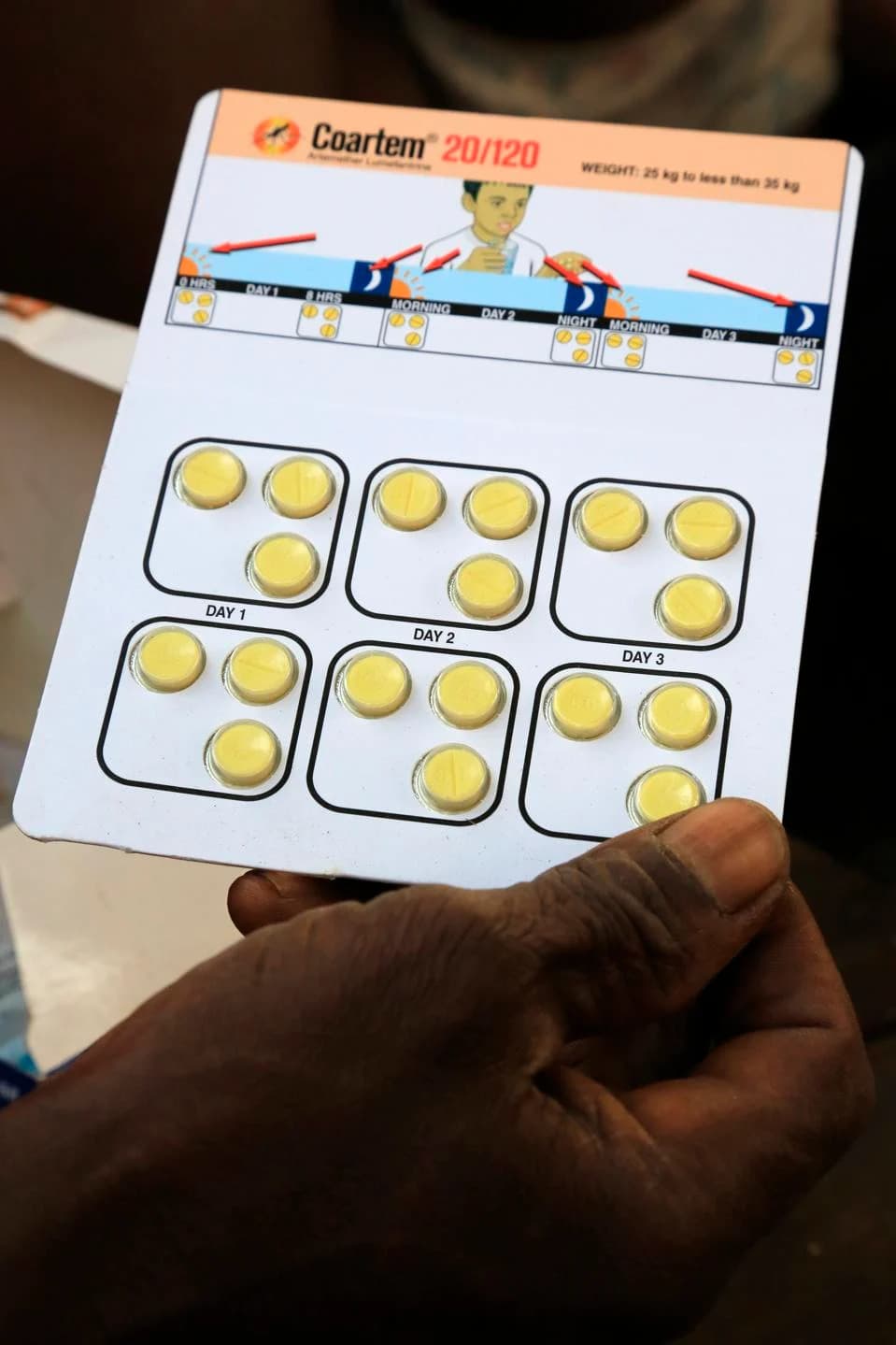
Artemether-lumefantrin for treating malaria. (Photo by: BSIP/Universal Images Group via Getty Images)Universal Images Group via Getty Images
Artemisinin-based combination therapies (ACTs) transformed malaria treatment after artemisinin was identified in the 1970s. Today ACTs remain the global standard, typically pairing an artemisinin derivative with a partner drug. But the growing emergence of artemisinin-tolerant parasites in parts of Africa threatens the effectiveness of these medicines and raises an urgent need for better surveillance, treatment diversification and health-system strengthening.
Where Resistance Is Emerging
The first artemisinin-resistant parasites were detected in East Africa about a decade ago. Confirmed instances of partial artemisinin resistance have been reported in Uganda, Eritrea, Rwanda and Tanzania, with Uganda widely identified as a key hotspot because it combines a large parasite population, a high malaria burden and elevated levels of resistant variants. Researchers warn that resistance could be evolving in other countries where routine monitoring is weak.
How Scientists Track Resistance
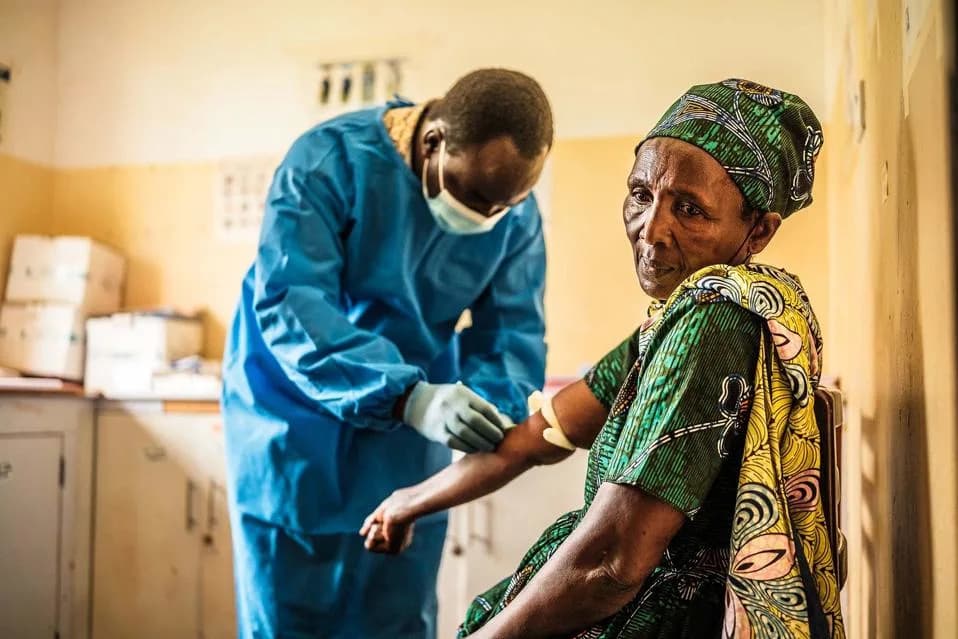
Public-health teams monitor genetic markers linked to reduced drug sensitivity and measure treatment-failure rates. A commonly used programmatic threshold is 10% treatment failure: once a first-line therapy fails more often than this, guidelines typically recommend switching to an alternative. However, molecular surveillance across Africa is uneven—some countries, like Tanzania and Burkina Faso, have more comprehensive monitoring systems, while many areas (including parts of Nigeria) lack consistent data from sentinel sites.
What Kelch13 and Parasite Biology Tell Us
One key genetic marker associated with artemisinin tolerance is mutations in the Kelch13 gene. Laboratory studies indicate that Kelch13 mutations reduce the parasite's ability to digest hemoglobin during the early ring stage. Because artemisinin is activated by products of hemoglobin digestion, parasites that digest less hemoglobin can survive treatment more easily. Researchers describe this as an unusual resistance mechanism and are working to understand its complexities so new therapies or strategies can be designed.
Responses, New Drugs and Risks
Where resistance first appeared in Southeast Asia, aggressive elimination programs, targeted case management and drug-rotation strategies helped contain spread in many areas. Replicating that playbook in Africa will be harder because of the continent's vastly higher malaria case burden and different transmission dynamics.
Promising new antimalarials are under development—early data for candidates such as GanLum have raised hopes for alternatives to current ACTs. But experts caution that introducing new drugs without stronger surveillance and health systems risks repeating past patterns of rapid resistance emergence.
Financing, Manufacturing and Policy Challenges
Funding for malaria control remains limited relative to the scale of the problem. Molecular surveillance requires trained personnel, reliable supply chains and laboratory infrastructure—resources that are costly to establish and maintain. Many countries rely heavily on a single ACT (artemether-lumefantrine), which increases selective pressure on the parasite. Diversifying first-line therapies and supporting local manufacturing of antimalarials could reduce costs and slow resistance, but both approaches need significant investment.
Experts point to recent reductions and uncertainties in bilateral malaria aid as factors that tighten resources for surveillance and response. Some estimates suggest that unchecked spread of resistance across West Africa could produce very large economic losses over time.
What Needs To Be Done
Public-health specialists recommend three core actions: expand and standardize molecular surveillance (including routine Kelch13 monitoring), deploy multiple first-line therapies where feasible to reduce selection pressure, and invest in stronger health systems and local production capacity so new drugs are used effectively. Because resistance spreads more slowly than an acute outbreak, building sustained political and financial commitment is essential to prevent irreversible losses in drug effectiveness.
"Surveillance protects treatment," says independent researcher Michael Audu. Experts warn that acting now—while ACTs still work widely—offers the best chance to preserve effective malaria treatments for millions.
Reporting for this article was supported by a Maria Leptin / EMBO Science Journalism Fellowship.
Originally published on Forbes.com (adapted and edited for clarity and accuracy).
Help us improve.