Tilly Phillips, now 16, is believed to be the youngest known patient to undergo an awake craniotomy to remove an arteriovenous malformation. Surgeons performed a roughly 12-hour operation at Alder Hey, waking her for about 30 minutes to map speech and motor areas while removing the lesion. Follow-up scans show the malformation was successfully treated and her seizure frequency has dropped markedly. She experienced short-term memory and word-finding problems that have improved with speech therapy and rehabilitation.
Teen Believed To Be World’s Youngest Patient To Have Awake Brain Surgery After Life-Changing Procedure
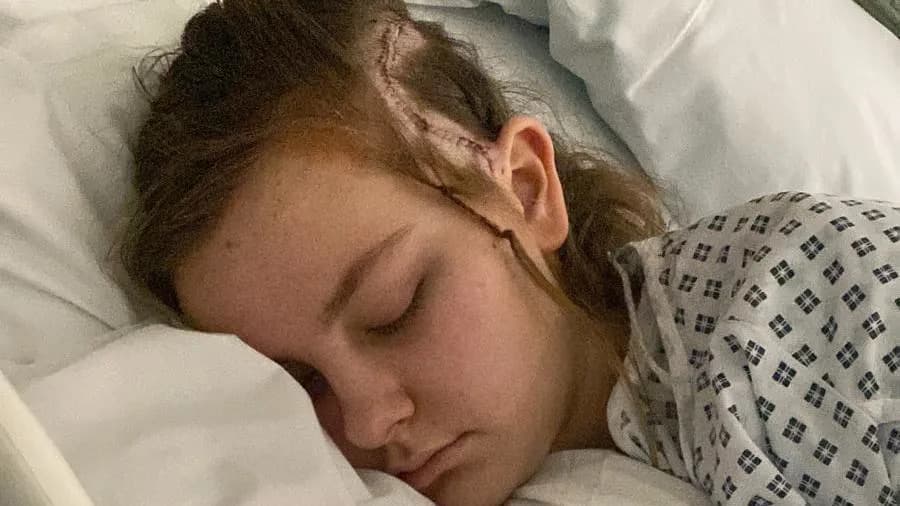
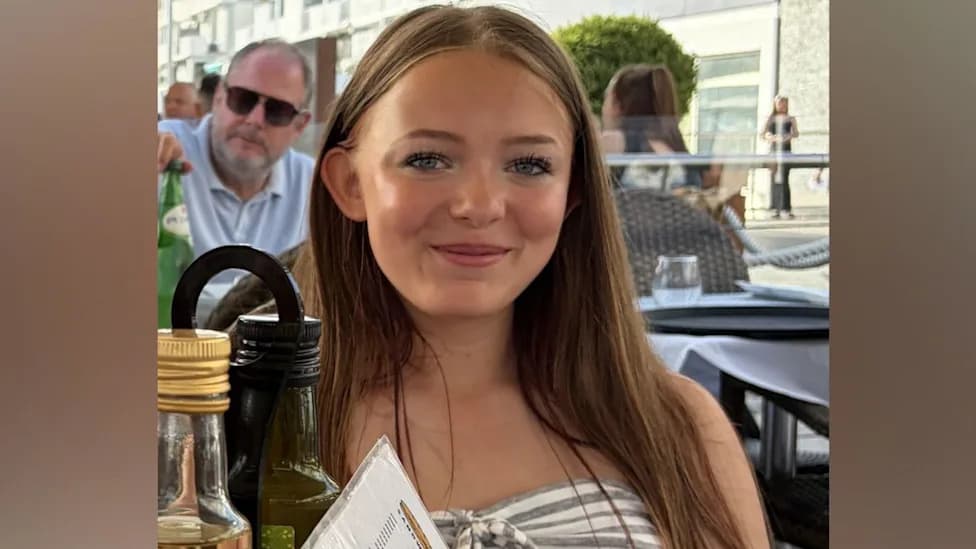
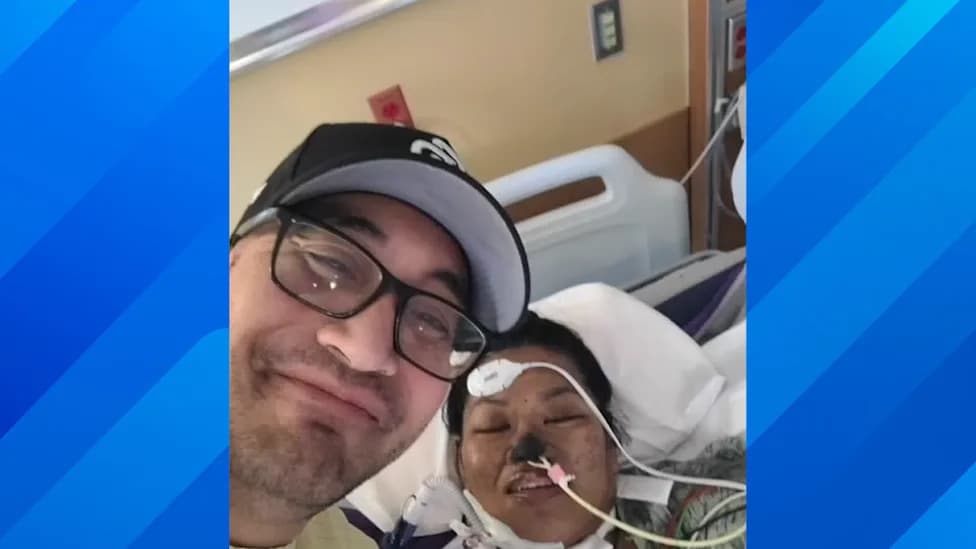
Tilly said the condition felt like a "ticking time bomb" [Clare Phillips]
Tilly Phillips, now 16, is believed to be the youngest known person to undergo an awake craniotomy to remove an arteriovenous malformation (AVM), hospital staff at Alder Hey Children’s Hospital in Liverpool say. She was 15 when surgeons performed the complex, roughly 12-hour operation to treat the abnormal tangle of blood vessels that had been causing frequent seizures and posed a serious risk.
Why the Awake Procedure Was Needed
The AVM lay close to regions of Tilly’s brain that control speech, movement and vision. To protect those critical functions, surgeons briefly brought her to consciousness for about 30 minutes so the clinical team could map language and motor areas in real time while removing the malformation.
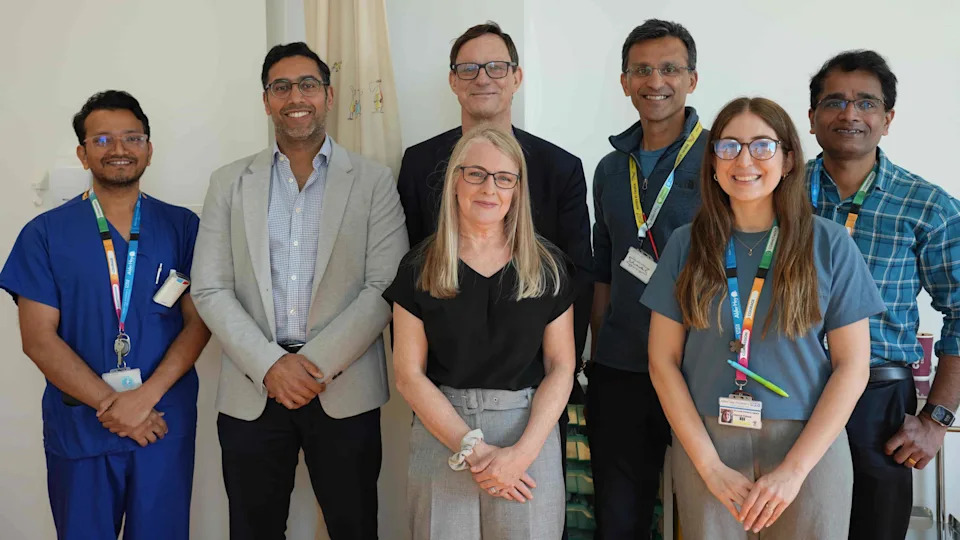
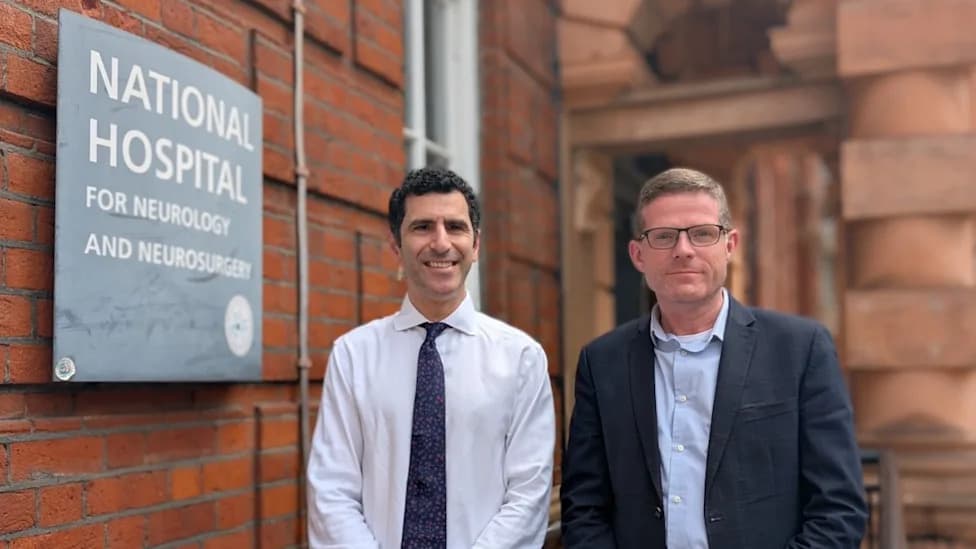
Members of Alder Hey's specialist team, including consultant neurosurgeon Vejay Vakharia [Alder Hey Children's Foundation Trust]
What Happened During Mapping
Although Tilly says she cannot remember being awake, clinicians reported she was coherent during the mapping and calmly completed picture-naming tasks. Clinical psychologist Cathy Grant explained that brief electrical stimulation temporarily disrupted Tilly’s ability to name objects, which helped the surgical team identify tissue to preserve.
Recovery And Outcome
Follow-up scans confirmed that the AVM was successfully treated and that Tilly’s seizure frequency has fallen significantly — she had been experiencing about three seizures a day before surgery. Tilly spent around a week in hospital and completed her GCSE exams at home while recovering.
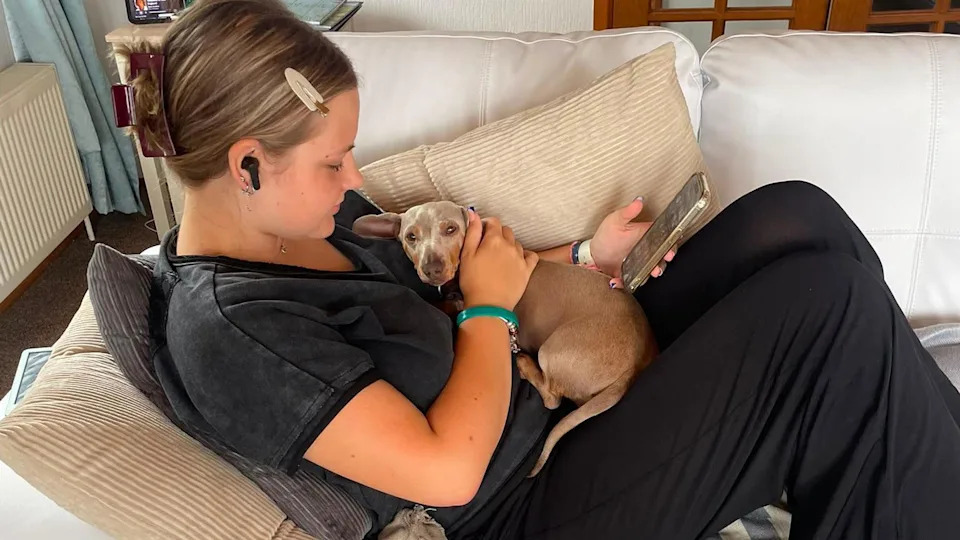
Tilly was 15 when she underwent the 12-hour operation and is now continuing her recovery [Clare Phillips]
In the immediate weeks after the operation she experienced significant short-term memory problems, at one point struggling to recall friends’ names and even familiar animals. Her memory has improved, though she still experiences occasional word-finding difficulties and uses strategies learned in speech and language therapy to cope. The family also reported some non-epileptic episodes during recovery, which they believed were related to the operation.
Tilly has since returned to normal activities, secured a summer job and plans to continue her studies. She said being involved in decisions about her care helped her feel in control: "I was in control of what was happening, which I really appreciated from my surgeons. I feel like I was actually listened to." Her mother Clare described the Alder Hey team as "phenomenal," and Tilly added, "I've got my life back."
Context
Alder Hey said its assessment that Tilly is the youngest known patient to undergo this procedure is based on published reports. Awake craniotomies for lesions near language and motor areas are rare in young patients because of the special planning and multidisciplinary care they require.
Note: This article summarizes the hospital’s report and the patient’s account. All medical details reflect information provided by Alder Hey and the family.
Help us improve.