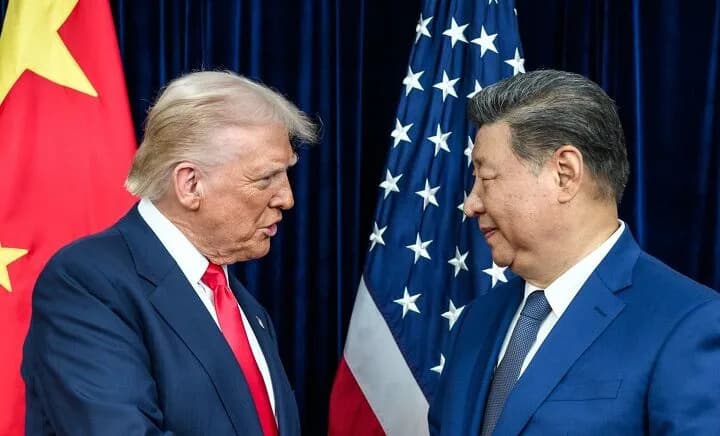
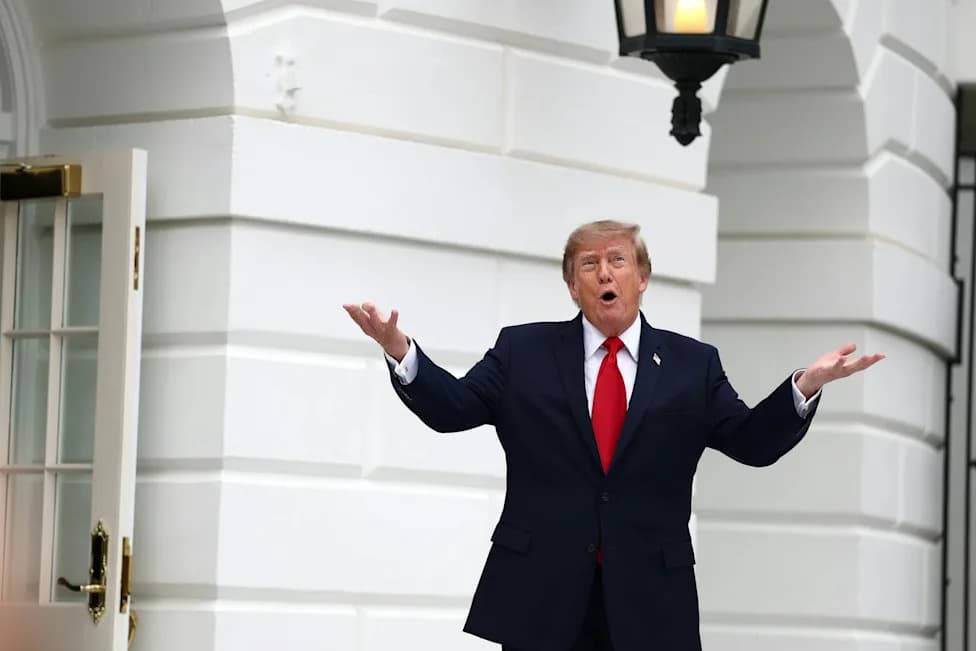
The Senate Commerce Committee advanced the Motor Vehicle Modernization Act of 2026, which would subject automakers with 15% or more Chinese ownership to new restrictions. Two Chinese-linked shareholders—BAIC (9.98%) and Li Shufu (9.69%)—together own about 19.67% of Mercedes-Benz, potentially bringing the automaker under the bill as drafted. Mercedes employs more than 10,000 people in the U.S. and runs plants in Alabama and South Carolina; the law includes a 2030 compliance deadline and possible waivers. Lawmakers signaled the language will likely be revised to avoid unintended consequences.
Senate Bill Could Put Mercedes’ U.S. Sales At Risk Over 15% Chinese Ownership Threshold
Senate China Auto Bill Puts Mercedes Sales at Risk
The Senate Commerce Committee on Wednesday moved bipartisan legislation forward that could unintentionally place Mercedes-Benz at risk of new U.S. sales restrictions.
What the Bill Would Do
The Motor Vehicle Modernization Act of 2026 would impose restrictions on automakers with 15% or greater Chinese ownership or control, citing national security concerns about connected-car technologies that could collect sensitive data.
Why Mercedes Is Caught Up
Two Chinese-linked shareholders together hold roughly 19.67% of Mercedes-Benz: BAIC (formerly Beijing Automotive Industrial Corp.) with a 9.98% stake and Geely founder Li Shufu with 9.69%. As written, that combined holding exceeds the bill’s 15% threshold and would bring Mercedes under the proposed restrictions.
Sen. Ted Cruz (R-Texas) said the committee did not intend to push Mercedes out of the U.S. market and indicated the bill’s language likely needs revision before it could become law.
Practical Implications And Flexibility
Mercedes-Benz has significant U.S. operations: more than 10,000 employees and assembly plants in Alabama and South Carolina. This week the company unveiled the new Mercedes-Maybach GLS 680, built in Tuscaloosa, Alabama—an example of how the automaker’s U.S. footprint could be affected.
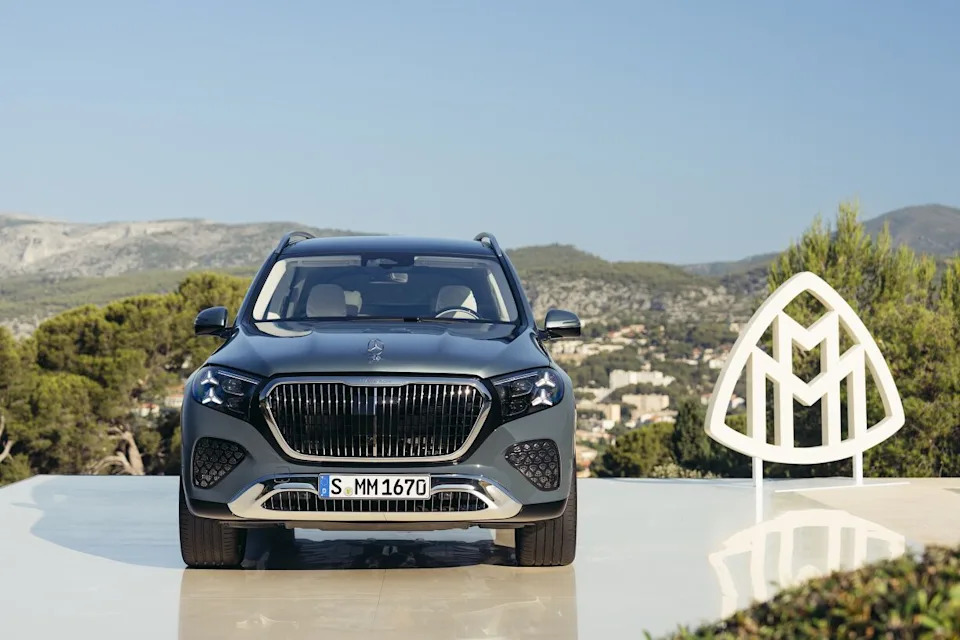
2027 Mercedes-Maybach GLS 680: All The Details
The bill includes a compliance timeline and flexibility: covered automakers would have until 2030 to meet the ownership cap and could apply for waivers. That leaves several paths short of an immediate ban, including changes to the threshold, carve-outs, waiver processes, or shifts in ownership.
Political Dynamics
The measure was introduced by Sen. Bernie Moreno (R-Ohio) and Sen. Elissa Slotkin (D-Mich.) and is framed as both an industrial-base and national security initiative. During the markup, Cruz also accused General Motors of backing the ownership provision to weaken Mercedes and bolster Cadillac’s position in the luxury market. GM and Mercedes did not immediately comment.
Where It Stands
Advancing out of committee does not make the bill law. The vote matters because it moves the measure forward while the Mercedes exposure remains unresolved. Lawmakers signaled they may revise the language to avoid unintended consequences before final passage.
Bottom line: The bill’s stated goal is to limit Chinese-linked connected-car risks, but the proposed ownership threshold has swept in a major luxury brand with a sizable U.S. presence—creating pressure to refine the legislation before it becomes law.
Help us improve.