Campaigner Prof Peter Hammond used a "heavy rain" definition from confidential Southern Water court papers to analyse more than 350 storm overflow outlets across England. His analysis suggests about 86% of raw sewage discharge hours in the last two years occurred without heavy rain and may therefore have been illegal. The Environment Agency and Water UK dispute the interpretation, emphasising site‑specific thresholds and regional rainfall differences. The findings follow a 2024 Office for Environmental Protection ruling criticizing the EA's handling of discharge rules.
New Analysis Suggests Up To 86% Of Sewage Spills In England May Have Occurred During 'Normal' Weather
[Getty Images]
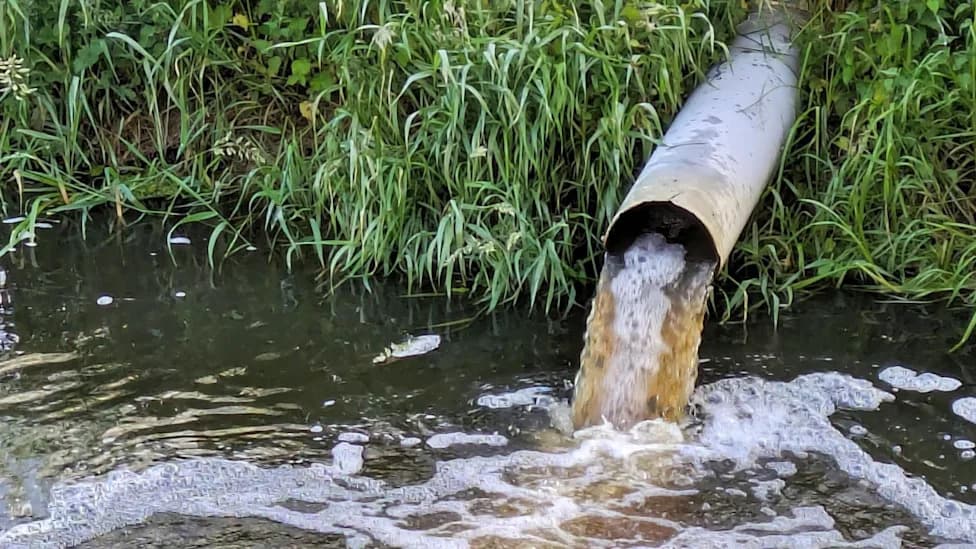
New analysis by campaigner Professor Peter Hammond — using a "heavy rain" definition obtained from confidential court papers in a case against Southern Water — suggests the majority of raw sewage discharges into England's rivers, lakes and seas over the past two years occurred without what the court documents classify as heavy rain. If upheld, those discharges could have been unlawful under UK rules that restrict releases to non‑normal weather or exceptional circumstances.
What The Analysis Examined
Hammond analysed monitoring data from more than 350 storm overflow outlets, including the country’s largest sewage treatment works and a representative selection of smaller sites, covering all nine English water companies that serve more than 30 million people. He reports that roughly 86% of the hours during which raw sewage was discharged coincided with rainfall below the "heavy rain" threshold in the court papers, which would mean those hours may not meet the legal conditions for permitted discharges.
Responses From Regulators And Industry
The Environment Agency (EA) disputed Hammond's interpretation, saying the "heavy rain" definition in the court documents applied specifically to the Southern Water sites in that case and that rainfall thresholds must reflect regional differences across England. The EA told the BBC it would "always take action" if the law had been broken but emphasised that enforcement decisions require consideration of site‑specific permit conditions and rainfall totals.

Prof Peter Hammond is a campaigner with Windrush Against Sewage Pollution and has published numerous reports analysing spill data from water companies [BBC]
Water UK, the industry trade body, also rejected the findings and pointed to High Court and Office for Environmental Protection (OEP) decisions, saying discharges should only occur in "exceptional circumstances" or where preventing them would be technically possible only at excessive cost. The trade group added that companies are working to eliminate all discharges.
Context And Previous Criticism
The regulator's approach has faced prior scrutiny. In 2024 the OEP found the EA had not been applying the law correctly and was permitting spills during what the OEP called "normal" weather rather than restricting releases to exceptional circumstances. Following that ruling, the EA issued guidance clarifying that spills should not take place in normal weather, but it has stopped short of saying releases are limited solely to "exceptional circumstances" in all public statements.
Why This Matters
Raw sewage discharges are a major public concern because combined sewer systems carry both rainfall and household wastewater in the same pipes; when rainfall exceeds capacity, untreated sewage can overflow into waterways. The size of the potential problem — and whether it was legal — affects enforcement, public trust, and the pace of infrastructure investments to prevent future spills.
"It's totally outrageous," Prof Hammond told the BBC, urging stronger enforcement and clearer regulatory thresholds.
High-profile related developments this year include record numbers of illegal spills reported into Windermere and criminal charges against a former Southern Water executive and others over alleged attempts to manipulate water testing data.
Help us improve.