Idemitsu Australia has proposed a 108 MW vanadium redox flow battery at the Muswellbrook Clean Industries Precinct in NSW, with a design target of at least eight hours of storage (about 864 MWh). The vanadium flow system stores energy in liquid electrolytes rather than solid cells, offering longer duration, lower fire risk and longer lifecycle potential versus lithium-ion. The project — highlighted by YouTuber Electric Viking — is part of a wider precinct plan that includes solar and a proposed pumped-hydro project and could create around 100 construction jobs and a small number of ongoing roles.
Idemitsu Proposes 108 MW Vanadium Flow Battery at Former Muswellbrook Coal Mine — 864 MWh, No Lithium

Photo Credit: The Electric Viking
Idemitsu Australia has proposed a large-scale vanadium redox flow battery at the Muswellbrook Clean Industries Precinct in New South Wales, signaling a shift from coal toward long-duration clean energy storage. The planned system is designed for 108 megawatts of power and at least eight hours of storage — roughly 864 megawatt-hours of capacity — which would make it the largest vanadium flow battery in Australia if completed.
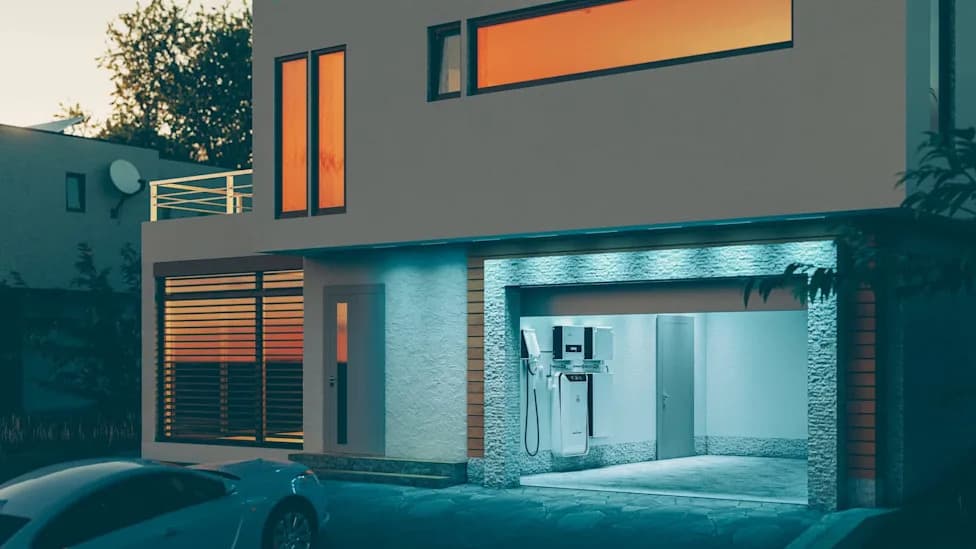
Why Vanadium Flow? Unlike lithium-ion batteries, vanadium redox flow systems store electrical energy in liquid electrolytes held in tanks and circulated through a cell stack. That architecture can be well suited to long-duration applications, offering easier scalability of energy capacity, a longer expected service life and lower fire risk compared with some lithium systems.
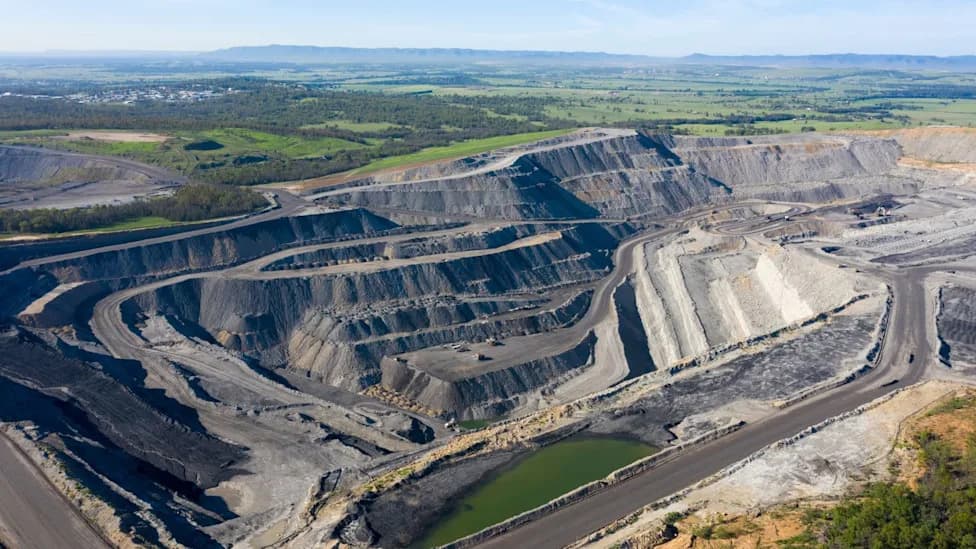
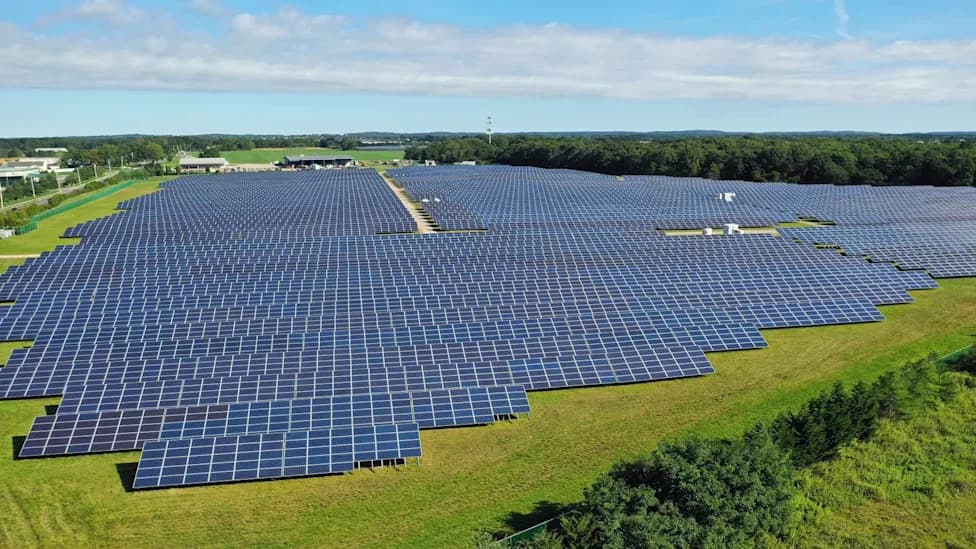
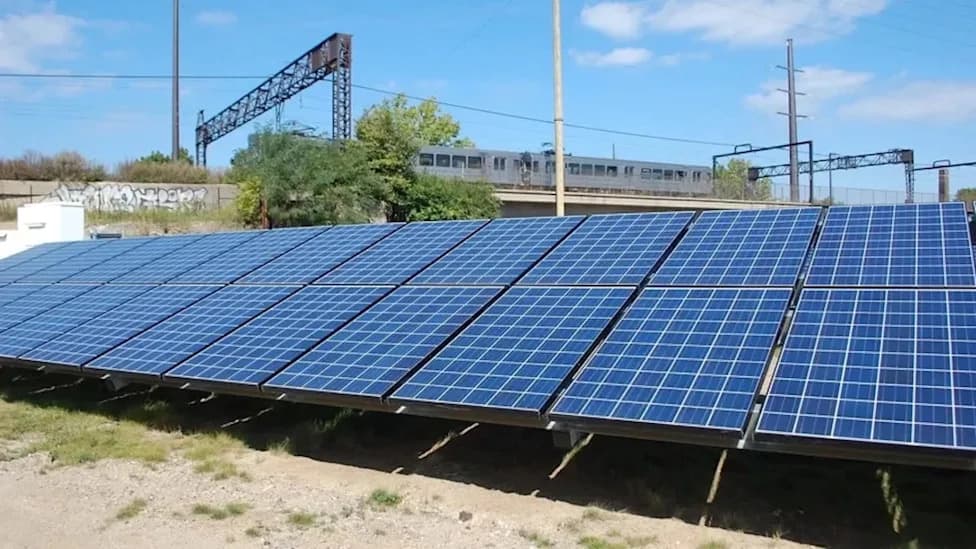
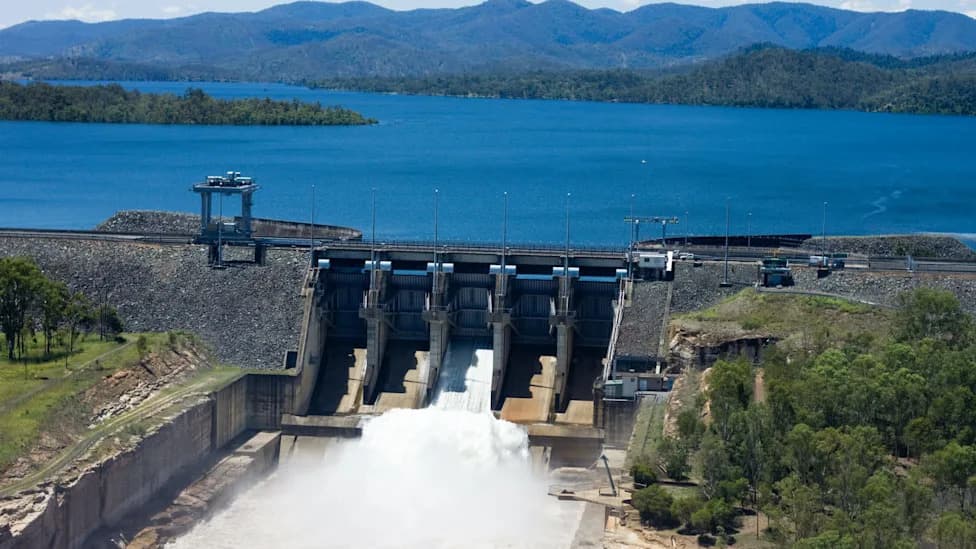
Project Context The proposal, described in a recent YouTube video by the content creator Electric Viking, would repurpose a former coal mine site in the Hunter region — a symbolic reuse of industrial land. Idemitsu Australia, a subsidiary of Japan's Idemitsu Kosan, is pursuing the installation as part of a broader redevelopment of the Muswellbrook precinct that also includes solar projects and a proposed Bell's Mountain pumped-hydro scheme involving AGL and Idemitsu.
“It's going on the grave of a coal mine. Ironic,”
The video highlights that UNSW chemical engineer Maria Skyllas-Kazacos played a central role in developing vanadium redox technology, which has roots in Australian research. The project remains at the planning stage — key details such as final cost and construction timing have not been released.
Grid Benefits and Local Impacts If built, the battery would store surplus renewable generation when supply is high and discharge it during evening peaks or demand surges, helping stabilise the grid and improve resilience during outages. The source video estimates about 100 construction jobs and roughly five ongoing operational roles, and Idemitsu has proposed a community benefit fund to support local schools, volunteer organisations and First Nations groups.
Outlook The proposal illustrates how former fossil-fuel sites can be repurposed to support modern electricity needs. While the project’s scale and technology could deliver meaningful long-duration storage to the region, final approval, financing and a construction timetable will determine whether the plan moves from proposal to reality.
Help us improve.