The Independent Planning Commission of NSW has approved two State Significant Development applications allowing Hunter Valley Operations to continue open‑cut mining at its North and South sites under strict conditions. The decision extends HVO North to 2045 and HVO South to 2042 and estimates the projects could generate about 809 million tonnes of GHGs, including emissions from overseas combustion of exported coal. Conditions include Paris‑aligned export limits, mandatory GHG Mitigation and Scope 3 plans, increased on‑site renewables within four years, extra carbon offsets, and a closure plan developed with councils and the community. Federal environmental approval is required by the end of December 2026 for the projects to proceed.
NSW Grants Conditional Approval for HVO Open‑Cut Mines — 809M Tonnes of GHGs Projected
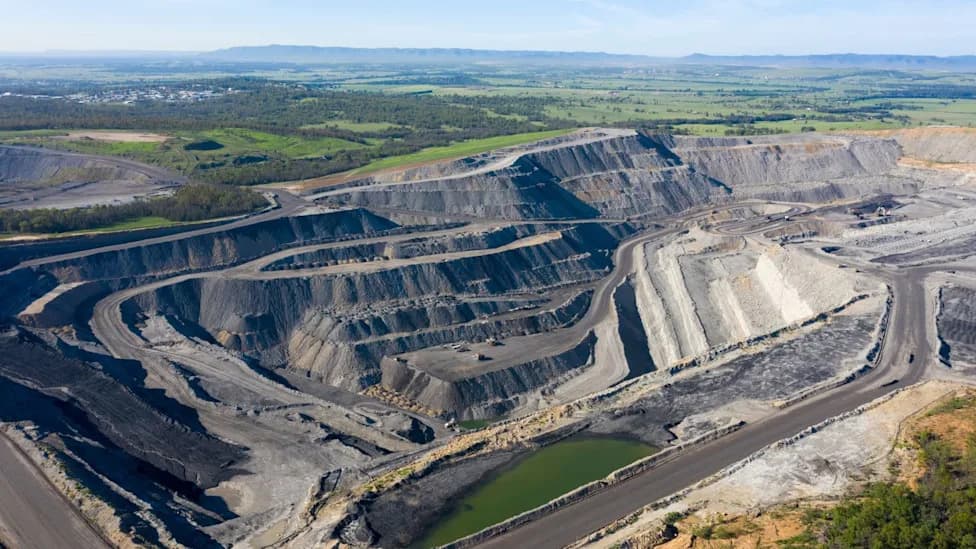
HVO exports thermal and semi-soft steel-making coal. Credit: John Carnemolla/Shutterstock.com.
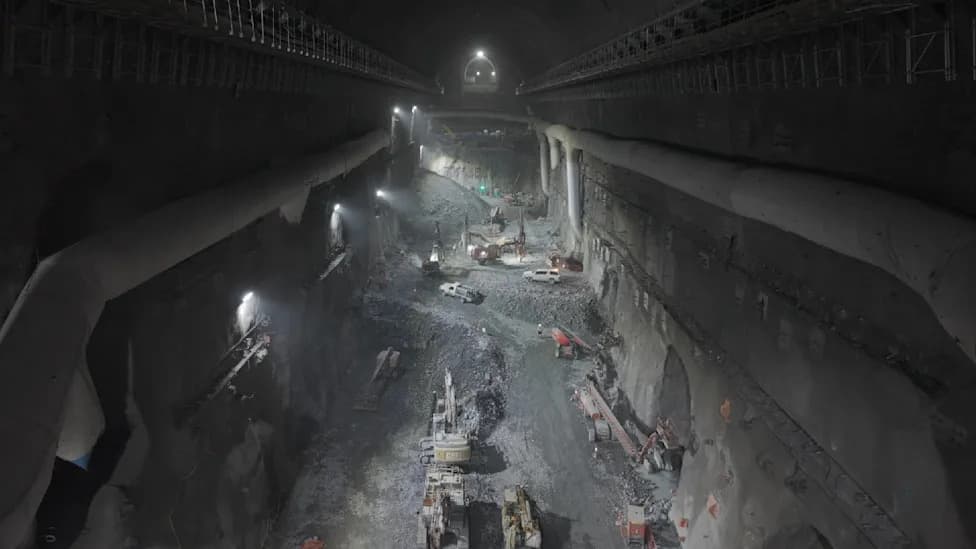
The Independent Planning Commission (IPC) of New South Wales has approved two State Significant Development applications allowing Hunter Valley Operations (HVO) to continue open‑cut coal mining at its North and South sites, subject to a comprehensive set of environmental and operational conditions.
Key Details of the Approval
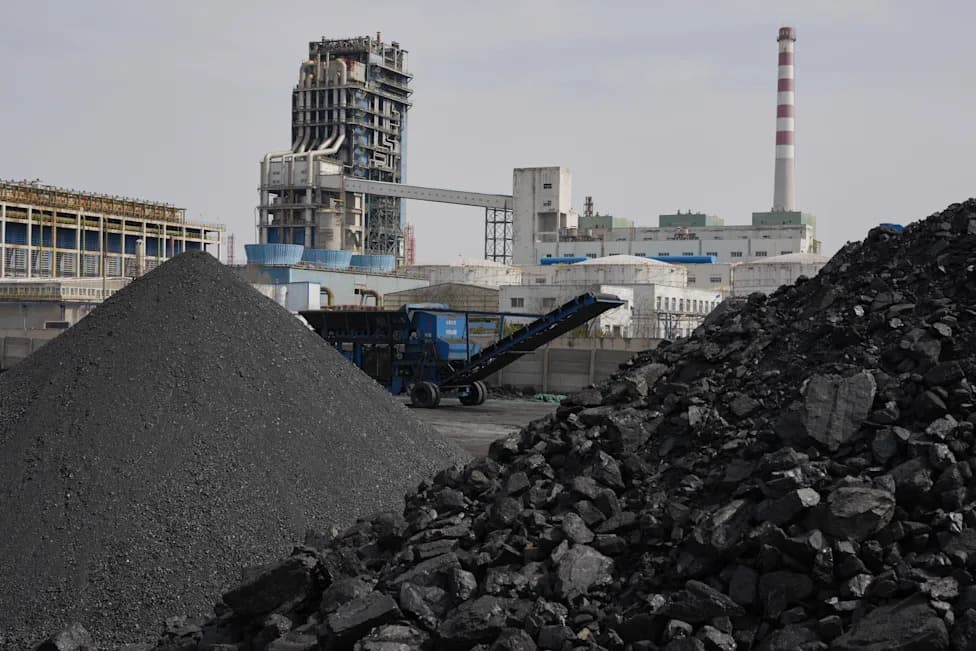
Under the approval, HVO North's operational life would be extended from 2026 to 2045 and HVO South's from 2030 to 2042. HVO produces thermal and semi‑soft steel‑making coal and is operated independently for owners Yancoal (51%) and Glencore (49%). NSW's planning department referred the applications to the IPC on 12 June 2026.
Community Consultation and Review
The Commission's panel considered extensive public input: 10,576 written submissions and 129 oral submissions were reviewed during a three‑day hearing. The panel also met with the applicants, local councils, government departments, the Net Zero Commission and other regulators.
Emissions Assessment and Economic Considerations
In its Statement of Reasons, the IPC estimated that emissions associated with the projects — including emissions from mining operations and the overseas combustion of exported coal — are projected to total about 809 million tonnes of greenhouse gases (GHGs). The Commission acknowledged the local and global environmental impacts of those emissions while also noting the employment and economic benefits raised by proponents.
Conditions Imposed by the IPC
To address environmental concerns, the IPC attached multiple binding conditions, including:
- Export Restrictions: HVO must limit exports to destinations with GHG reduction policies consistent with the Paris Agreement.
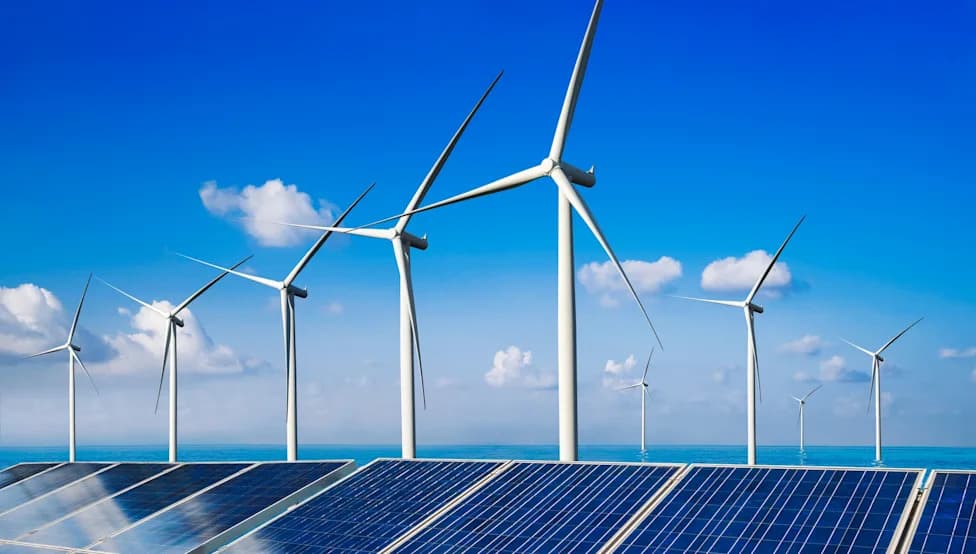
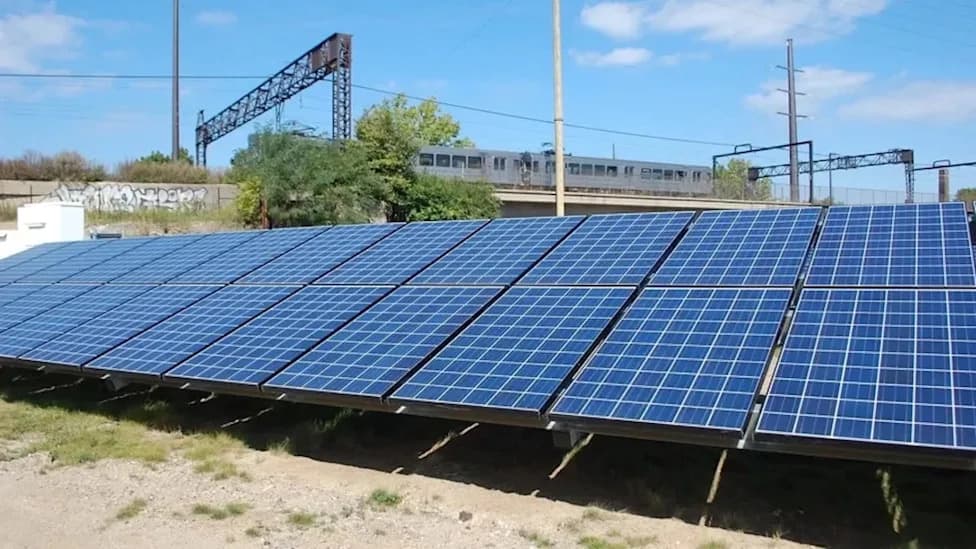
- Renewable Energy Targets: Sites must maximise on‑site renewable energy use within four years.
- GHG Mitigation and Scope 3 Plans: HVO is required to publish a GHG Mitigation Plan and a Scope 3 Management Plan within specified timeframes.
- Additional Offsets: The company must purchase carbon offsets above those mandated by the Commonwealth Safeguard Mechanism.
- Closure and Rehabilitation: A Closure Management Plan must be prepared in consultation with local councils and the community and updated as required.
- Other Environmental Controls: Conditions also address biodiversity, water management, noise, dust and other local environmental effects.
All required plans must receive the Planning Department secretary's approval and be periodically updated and monitored by regulators.
Next Steps
Separate federal environmental approval is still required by the end of December 2026 for mining operations to continue beyond current approvals. The IPC decision attempts to balance regional economic interests with stronger environmental controls as NSW evaluates the climate implications of ongoing coal exports.
If federal approval is not granted by the deadline, the projects cannot proceed as currently approved.
Help us improve.