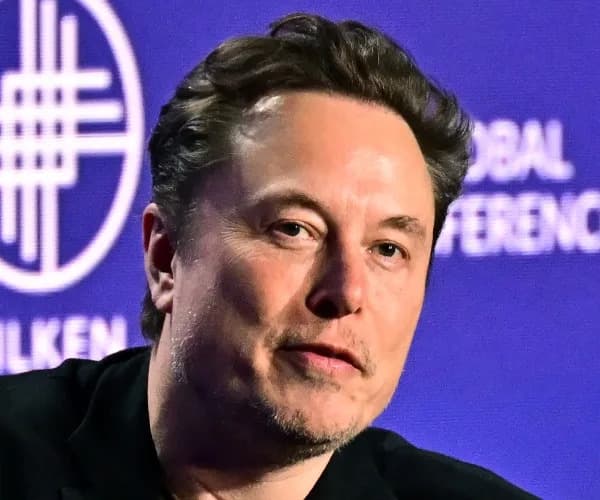
Elon Musk told Joe Rogan in 2024 that he usually eats steak and eggs for breakfast and argued that livestock make "zero" measurable difference to global warming. He reiterated a similar view in 2023 after reports that Ireland considered culling cattle. Environmental groups and some climate scientists disagree, pointing to methane emissions, land-use change and feed production as meaningful contributors. Musk emphasizes technology-first solutions, arguing engineering advances can reduce emissions at scale.
Elon Musk Says He Eats Steak and Eggs Every Morning and Calls Livestock's Climate Impact 'Zero' — Experts Push Back
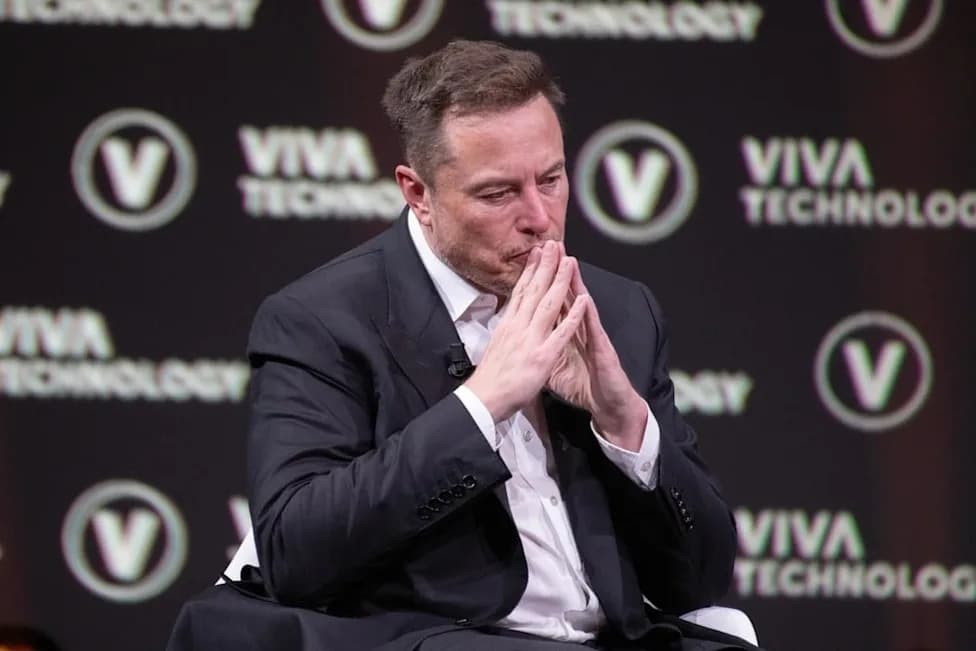
Elon Musk Eats Steak for Breakfast Daily and Says Animals Make ‘Zero’ Difference to Global Warming — ‘Killing Some Cows Doesn’t Matter for Climate Change’
Few public figures are as closely associated with climate debates as Tesla and SpaceX CEO Elon Musk. In a 2024 interview on "The Joe Rogan Experience," Musk said he typically begins his day with steak and eggs and argued that reducing meat consumption is essentially irrelevant to global warming.
"I did switch to like steak and eggs for breakfast… I just have like steak and eggs, no bread or anything," Musk said. "It's great actually. It's a power-up." The conversation shifted from diet to climate, where Musk supported host Joe Rogan's claim that livestock have little measurable impact on rising temperatures.
"The animals aren't going to make any difference to global warming. Zero percent, nothing," Musk said. "It's not gonna make any difference to global warming or the CO2 concentration in the atmosphere… It doesn't matter. It's irrelevant. You will not even be able to measure it."
Musk reiterated a similar view in 2023 when he responded on X (formerly Twitter) to reports that Ireland was considering culling roughly 200,000 cattle to meet climate targets: "This really needs to stop. Killing some cows doesn't matter for climate change."
Reaction and Scientific Context
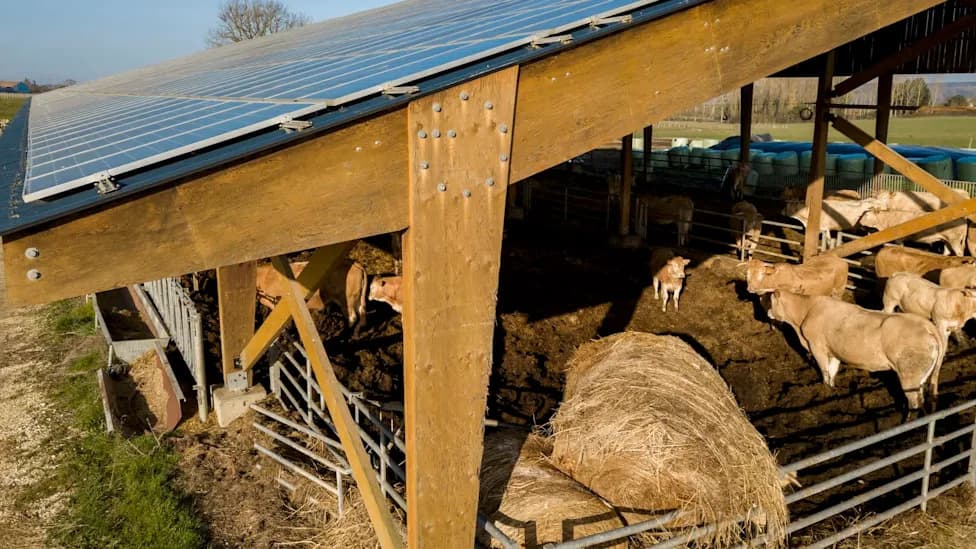
His comments prompted pushback from environmental organizations, animal-welfare groups and some climate researchers. While fossil-fuel combustion remains the largest single source of global greenhouse-gas emissions, agencies such as the U.N. Food and Agriculture Organization (FAO) estimate that livestock account for a meaningful share of emissions — driven largely by methane from enteric fermentation, land-use changes, and the production and transport of animal feed. The FAO's commonly cited estimate places livestock-related emissions at roughly 14–15% of global greenhouse gases, though precise numbers vary by methodology.
Musk's 'Technology-First' Argument
Musk has repeatedly argued that technological innovation — not large-scale changes in individual diets — will produce the most effective emissions reductions. That "technology-first" perspective shapes his public positions across energy, transportation and food systems: rather than urging consumers to alter daily routines, he emphasizes engineering breakthroughs as scalable solutions.
Examples of this mindset appear beyond his companies. Miso Robotics, for instance, develops AI-powered kitchen automation intended to improve consistency, reduce food waste and boost operational efficiency in restaurants. While such solutions don't address all climate-related pressures from agriculture, proponents argue they can reduce waste and improve resource use without relying solely on changes in consumer behavior.
Where The Debate Stands
The exchange highlights a broader policy and scientific discussion: how to balance technological innovation, agricultural policy, and individual behavior to curb emissions. Many experts say the most effective approach will combine improved technologies, better livestock management, more efficient land use, and dietary shifts where appropriate — rather than relying on any single strategy.
Note: Public figures' statements about climate are often simplified in media discussions; readers should consult peer-reviewed research and authoritative reports (for example, FAO and IPCC publications) for detailed assessments.
Originally appeared on Benzinga.com. © 2026 Benzinga.com. Benzinga does not provide investment advice. All rights reserved.
Help us improve.