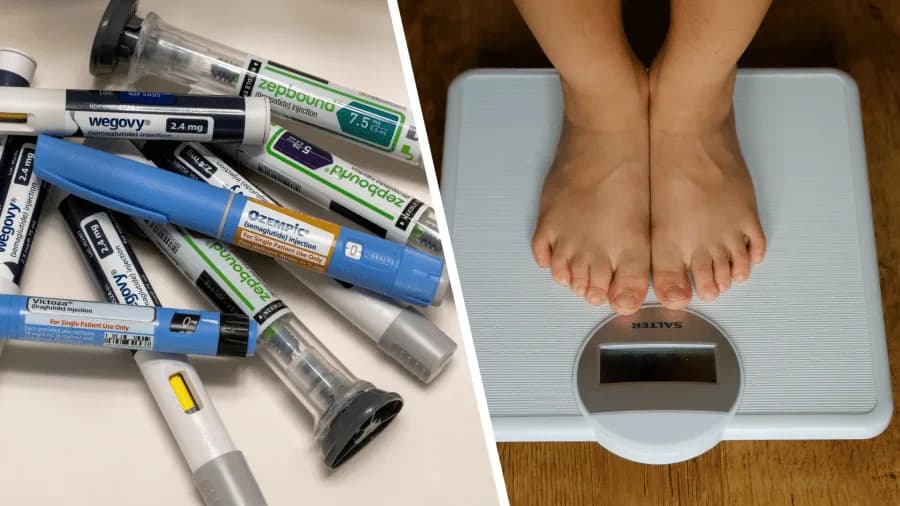
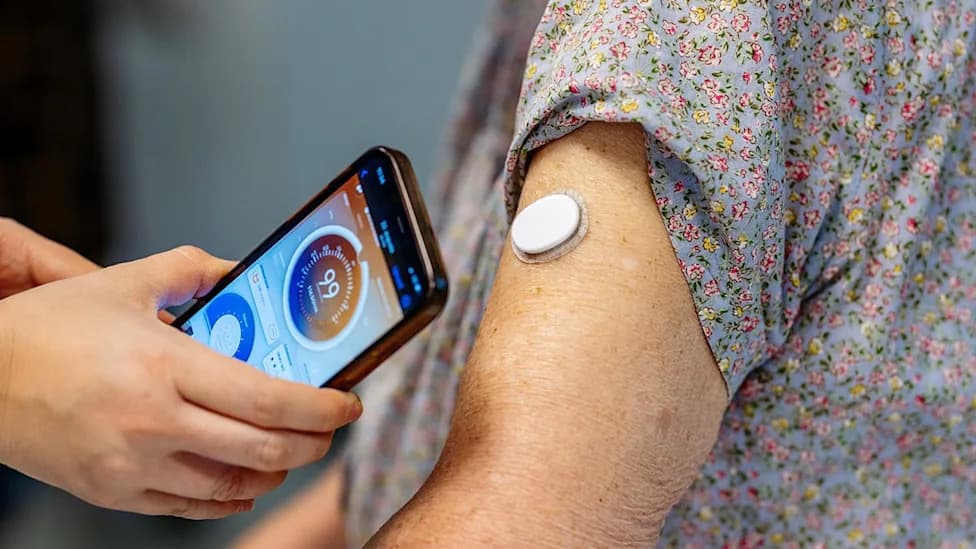
Researchers at Imperial College London report a marked rise in type 2 diabetes among women aged 20–29 in England, largely emerging since the Covid pandemic and linked to rising obesity. Younger adults are being diagnosed with higher BMI at onset, and early‑onset type 2 diabetes tends to be more aggressive. Experts urge earlier screening, better postnatal follow‑up for gestational diabetes, and wider access to effective weight‑loss treatments alongside lifestyle support.
Worrying Rise In Type 2 Diabetes Among Women Aged 20–29 In England Linked To Post‑Pandemic Obesity

[Getty Images]
Public-health researchers at Imperial College London warn of a troubling uptick in type 2 diabetes diagnoses among women in their twenties in England. An analysis of NHS records from 2011 to 2024 shows most of the rise occurred after the Covid pandemic and appears closely linked to increasing obesity, especially earlier and more severe obesity in younger adults.
What The Study Found
Using the English National Diabetes Audit, the research team found a modest decline in new diagnoses among older adults but a rapid increase among people under 40, with some of the steepest rises in women aged 20–29. Body mass index (BMI) at diagnosis has risen faster for younger adults, suggesting that earlier onset of severe obesity is a key driver.
Why This Matters
Type 2 diabetes is a serious, long-term condition that can lead to complications such as heart attacks, stroke, kidney disease and vision loss. When the disease begins at a younger age it often progresses more aggressively, increasing the risk of severe complications and shortening life expectancy, Diabetes UK warns.
Data And Trends
About 90% of the roughly six million people with diabetes in the UK have type 2 diabetes. NHS England estimates that around 12,000 people under 30 now live with type 2 diabetes, with women making up a larger share of those younger cases. Separate NHS data indicate that between 2019 and 2025 new obesity cases rose by 16% for people aged 20–29 and by almost 20% for those aged 30–39, while rates fell among adults aged 60–79.
Causes, Symptoms And Prevention
Researchers point to the earlier onset of severe obesity as a likely cause. Common symptoms to watch for include persistent fatigue, increased urination and constant thirst. Early diagnosis and treatment are vital to prevent long-term organ damage. In some cases, type 2 diabetes can be put into remission through sustained weight loss and a healthy diet, reducing or eliminating the need for glucose-lowering medications.
Treatments And Policy Implications
Investigators say newer obesity treatments — including GLP‑1 injections and oral GLP‑1 medications — may help alongside lifestyle support. Diabetes UK calls for better follow-up care for women diagnosed with gestational diabetes, who face a higher risk of later developing type 2 diabetes. Some studies suggest Covid infection may raise diabetes risk, but evidence is currently inconclusive.
Lead researcher Dr Shivani Misra: "We think that the earlier onset of severe obesity in young people is increasing their type 2 diabetes risk in early life and pulling down their age at diagnosis. This is really worrying given the poor health outcomes from early‑onset type 2 diabetes."
Recommendations
Experts recommend improved screening for high‑risk young adults, expanded access to effective weight‑loss treatments combined with dietary and behavioral support, and stronger postnatal follow‑up for women with gestational diabetes. Public‑health efforts should target rising obesity in younger age groups to help reverse this trend.
Help us improve.