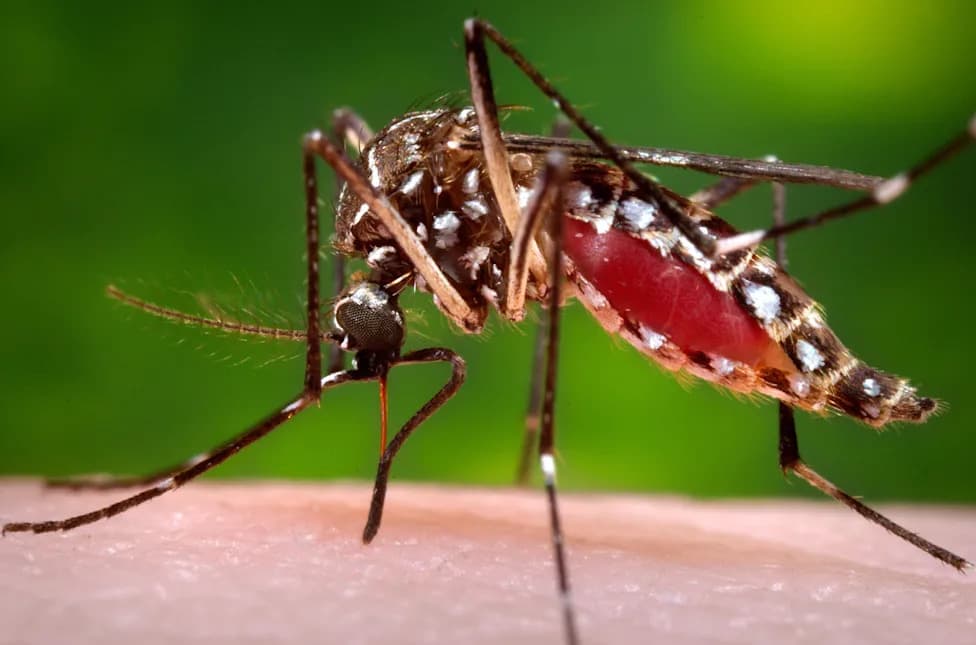
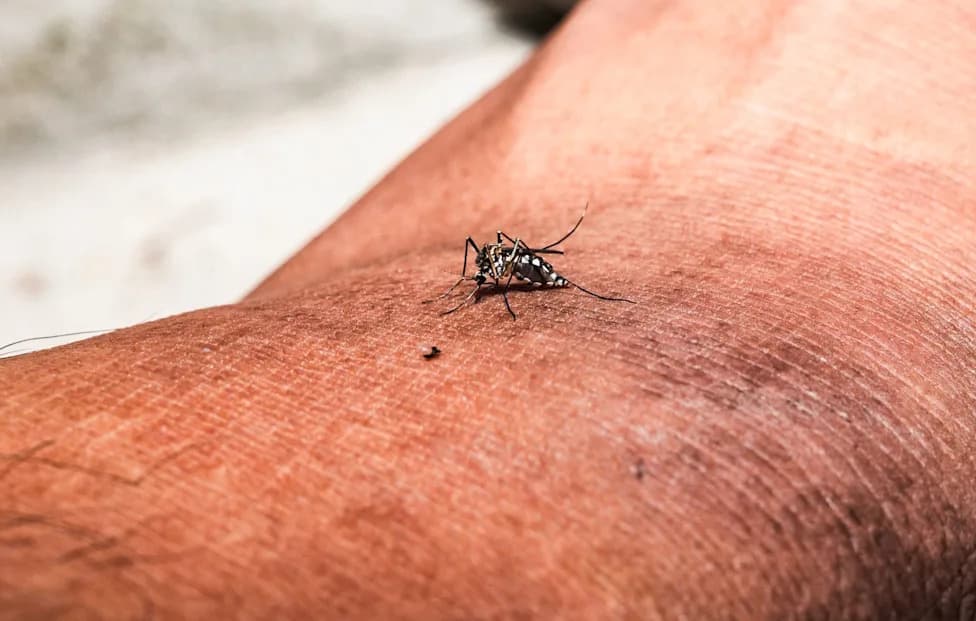
Sri Lanka is facing its worst dengue outbreak in nearly a decade, with 76,044 infections and 53 deaths since January. The military — including air force drones — is helping health teams locate and eliminate mosquito-breeding sites while hospitals add beds and extend staff hours after a July surge. Authorities cleared nearly 11,000 breeding sites and fined over 4,000 premises this month. Officials expect cases to ease as monsoon rains weaken in August but warn of a possible rise again from November.
Air Force Drones Join Fight as Sri Lanka Battles Worst Dengue Surge in Nearly a Decade
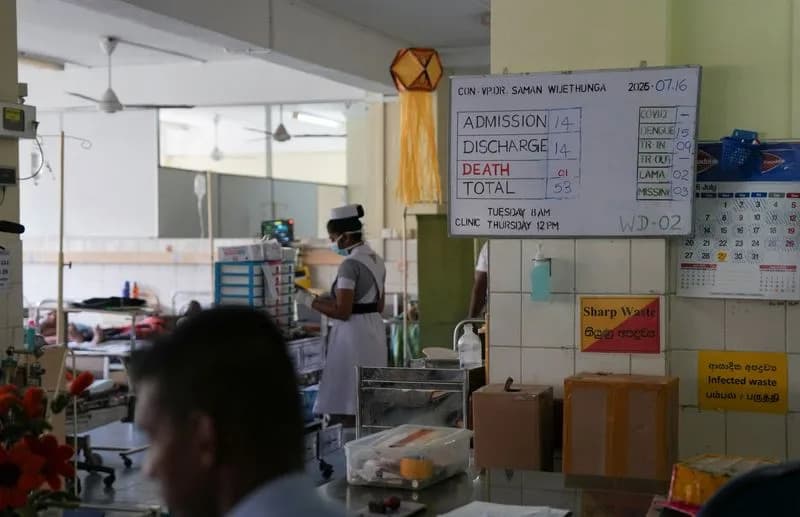
A white board with general information on dengue patients inside a ward at District General Hospital in Negombo, Sri Lanka, July 16, 2026. REUTERS/ Thilina Kaluthotage
Colombo, July 21 — Sri Lanka is confronting its most severe dengue outbreak in nearly ten years. Since January, health authorities have recorded 76,044 infections and 53 deaths as a more virulent DENV-2 strain spreads across the island. Overstretched public health services have enlisted the military — including air force drones — to locate mosquito-breeding sites and support hospital operations.
Outbreak, Case Load and Hospital Response
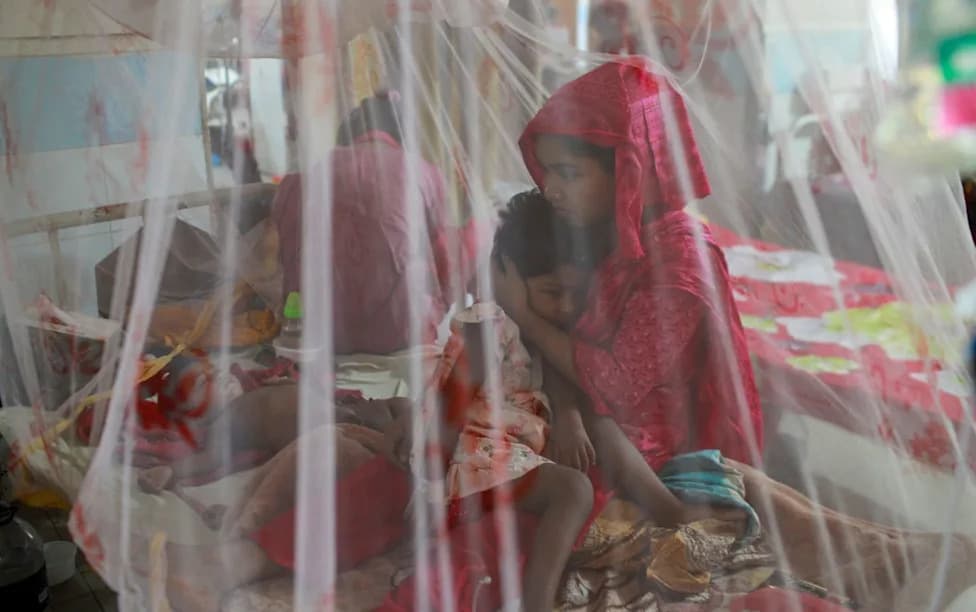
Hospitals have scrambled to add beds, convert wards, and extend doctors' and nurses' hours after more than 18,000 cases were reported in the first two weeks of July alone. June's tally of 21,537 infections — typically presenting with high fever, body aches and loss of appetite — was more than double May's figure. Many doctors are advising patients with mild symptoms to recover at home to reduce pressure on facilities.
Military And Drone Assistance
The government has deployed military and police personnel to inspect homes, schools and construction sites and remove standing water. The air force is using drones to survey rooftops and larger areas where water pools after monsoon rains, helping public health teams identify and target breeding sites more efficiently. Drones are also assisting some hospitals with patient tracking and logistics.
Scale Of Control Efforts
Health authorities say nearly 11,000 mosquito-breeding sites were cleared this month and more than 4,000 premises were fined for harbouring breeding grounds. The National Dengue Control Unit warned that roughly 75% of recent cases are linked to the more aggressive DENV-2 strain, increasing both transmission speed and severity.
Context And Outlook
The outbreak follows Cyclone Ditwah in late November, which damaged infrastructure and health facilities and caused estimated losses of $1.4 billion, according to the World Bank. That damage threatens to weaken Sri Lanka's relative advantage in hospital capacity (about four beds per 1,000 people) and has stretched public health workers "to their limit," officials said.
"It's challenging for the doctors because it's a rapid increase in patients," said consultant Lalindra Dias in Negombo, one of the worst-affected districts. He noted the difficulty of forecasting exact trends given this year's altered pattern of severity.
Health officials expect cases to ease as monsoon rains weaken in August but warn of a possible resurgence from November when the island's second monsoon season begins. Authorities are considering dengue vaccination options, though experts caution that vaccine benefits may be limited because multiple virus strains circulate and immunity dynamics are complex.
Reporting: Uditha Jayasinghe in Colombo. Edited for clarity and structure.
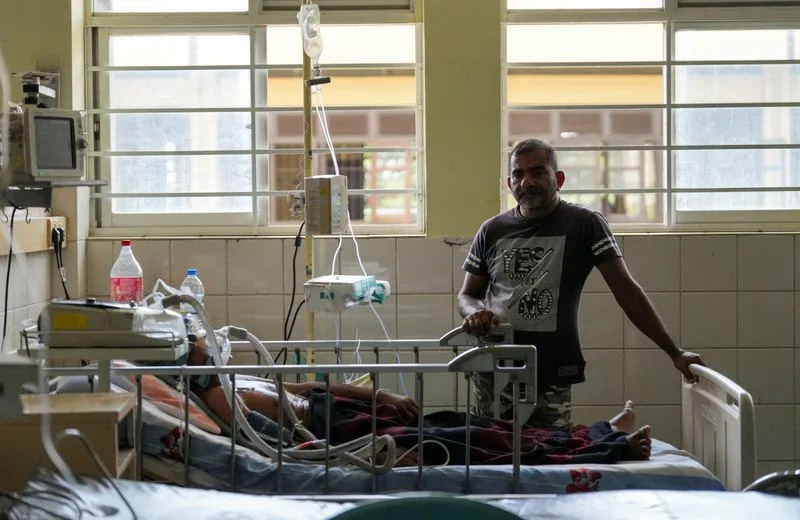
A dengue patient lies on the hospital bed while his son stands next to him at District General Hospital in Negombo, Sri Lanka, July 16, 2026. REUTERS/ Thilina Kaluthotage
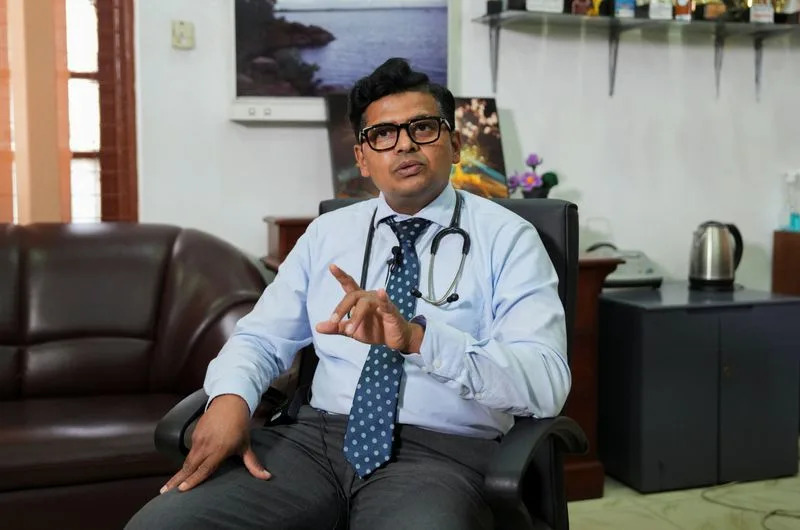
Dr. Lalindra Dias, 50, a consultant physician at District General Hospital, speaks during an interview in Negombo, Sri Lanka, July 16, 2026. REUTERS/ Thilina Kaluthotage
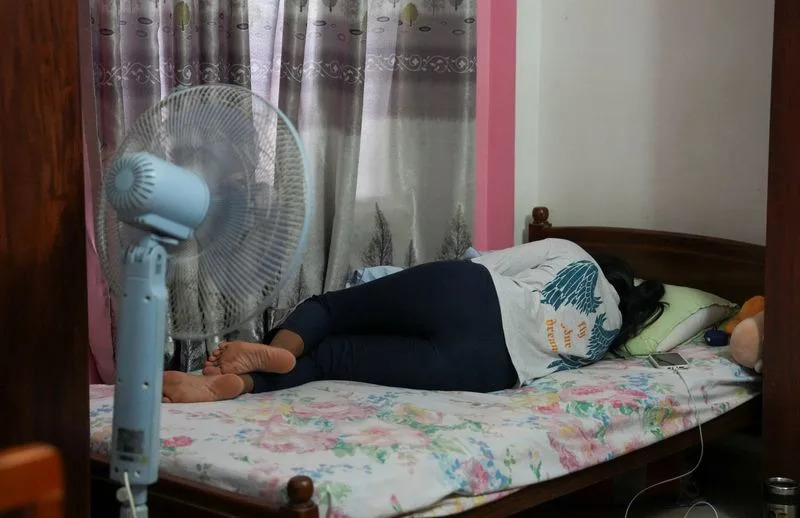
Shalini Aloka Perera, 23, a dengue patient, lays on the bed at her house in Sri Jayawardenepura Kotte, Sri Lanka, July 16, 2026. REUTERS/ Thilina Kaluthotage
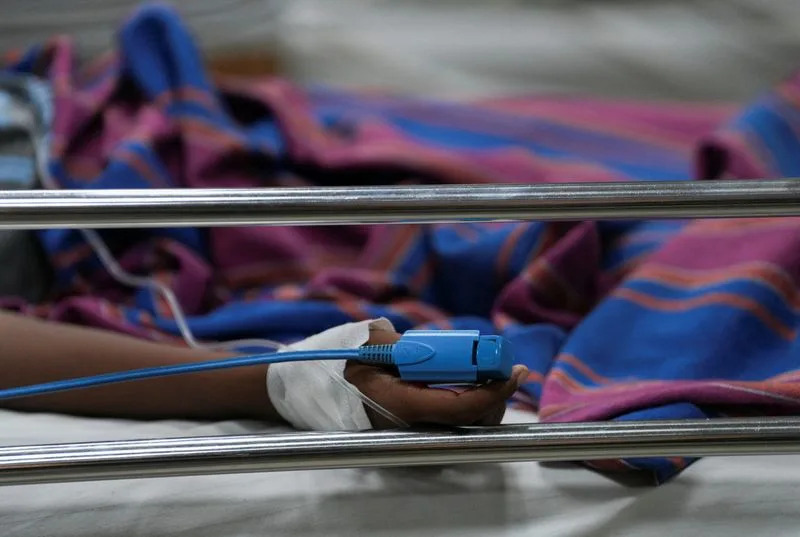
A dengue patient with pulse oximeter on his thumb lays on the bed while receiving treatment at District General Hospital in Negombo, Sri Lanka, July 16, 2026. REUTERS/ Thilina Kaluthotage
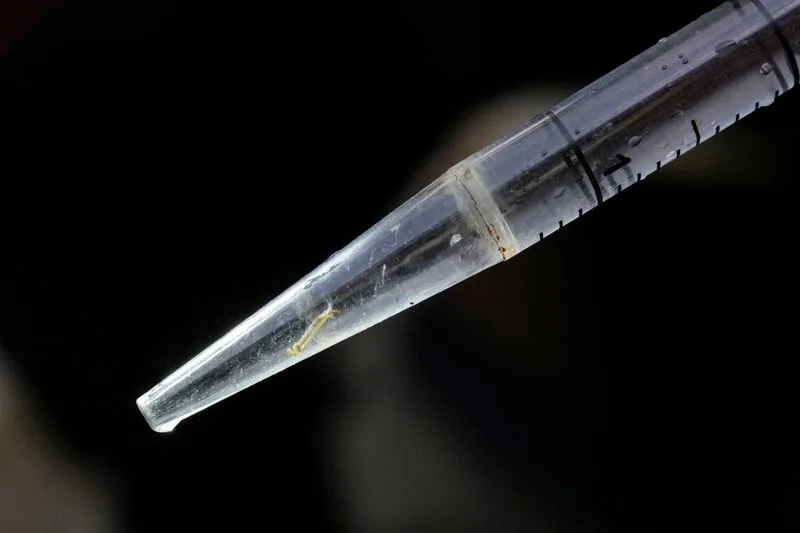
Dengue mosquito larva inside a pipette tube after being collected during an inspection of houses in Colombo, Sri Lanka, June 19, 2026. REUTERS/Thilina Kaluthotage
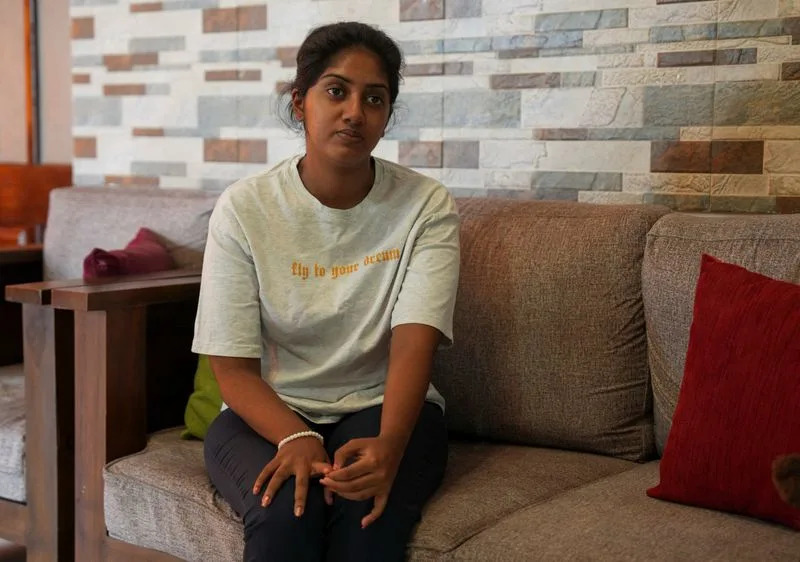
Shalini Aloka Perera, 23, a dengue patient, speaks during an interview in Sri Jayewardenepura Kotte, Sri Lanka, July 16, 2026. REUTERS/ Thilina Kaluthotage
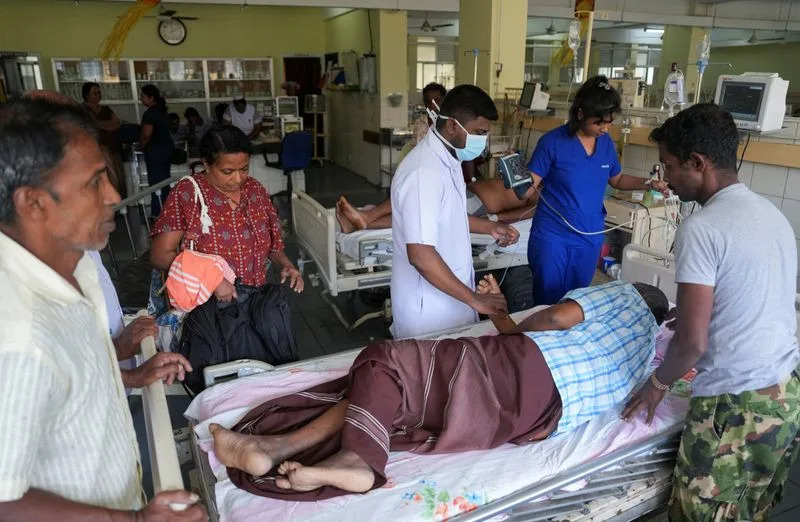
A dengue patient gets treatment at District General Hospital in Negombo, Sri Lanka, July 16, 2026. REUTERS/ Thilina Kaluthotage
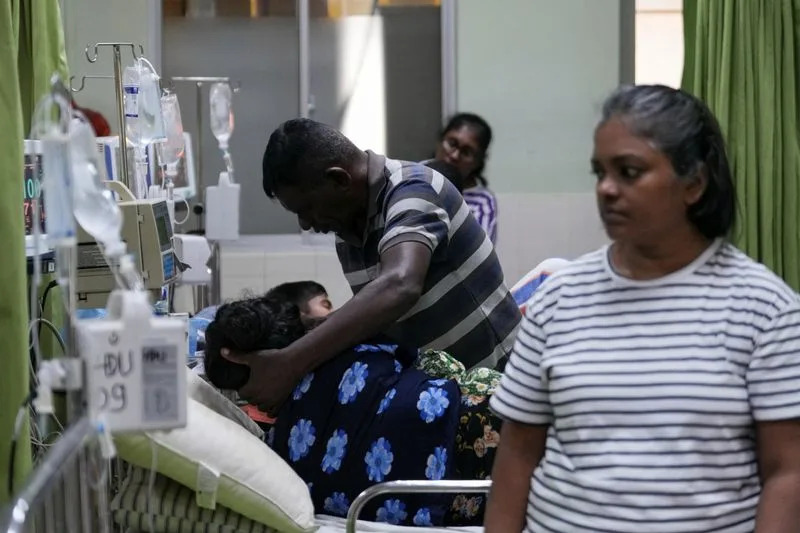
A dengue patient is assisted by a family member at District General Hospital in Negombo, Sri Lanka, July 16, 2026. REUTERS/ Thilina Kaluthotage
Help us improve.