Iceland has been ranked the world’s most peaceful country for the 19th consecutive year in the Institute for Economics & Peace's 2026 Global Peace Index. The report assessed 163 countries across 23 indicators in three domains: ongoing conflict, societal safety and security, and militarization. Iceland scored highest on absence of conflict and low militarization, recorded a 43% improvement in violent-demonstration measures, and reported one homicide per 100,000 people in 2023.
Iceland Tops Global Peace Index for 19th Year — What Makes the Island So Safe
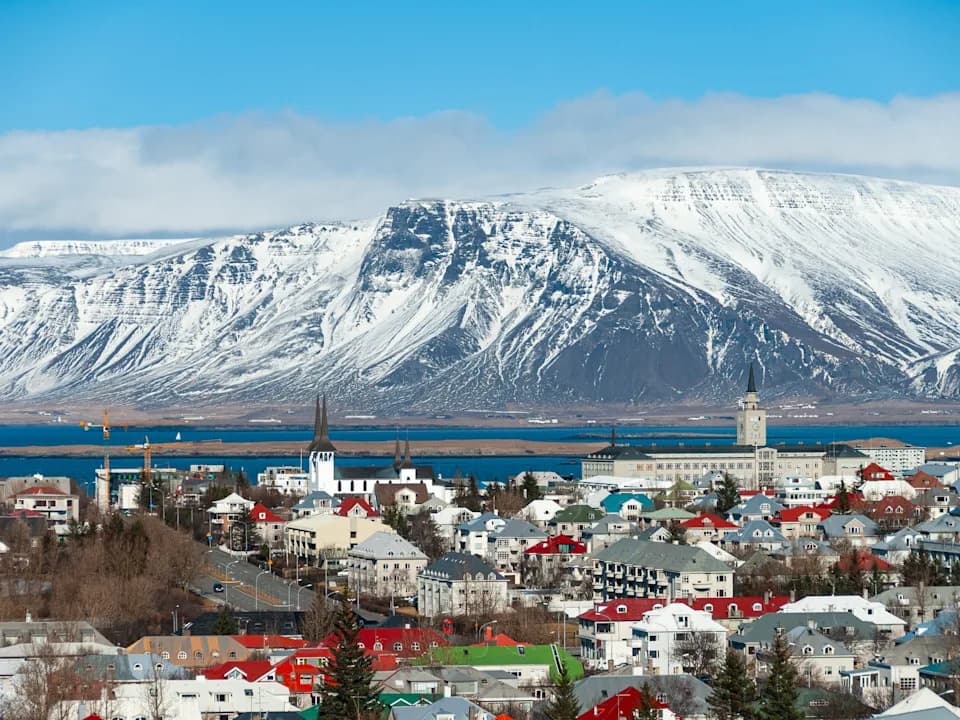
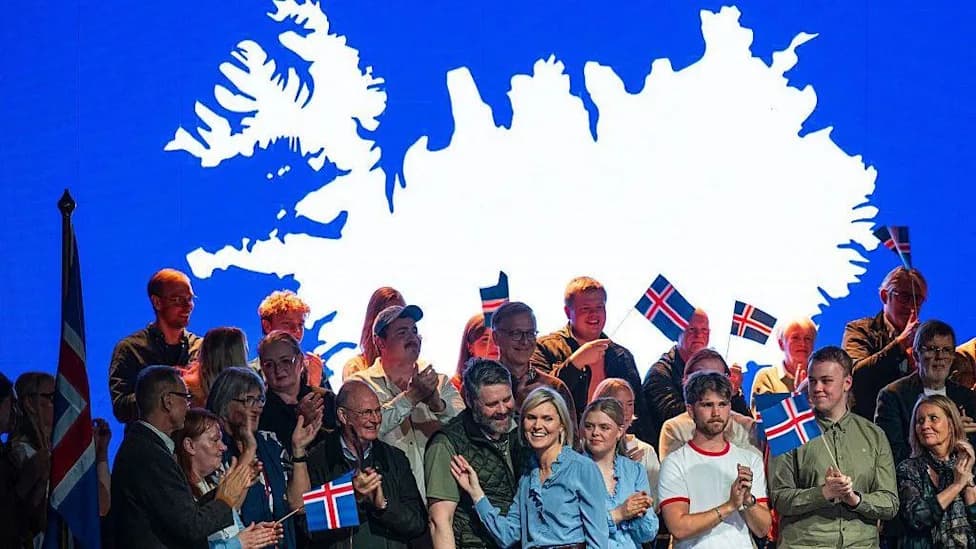
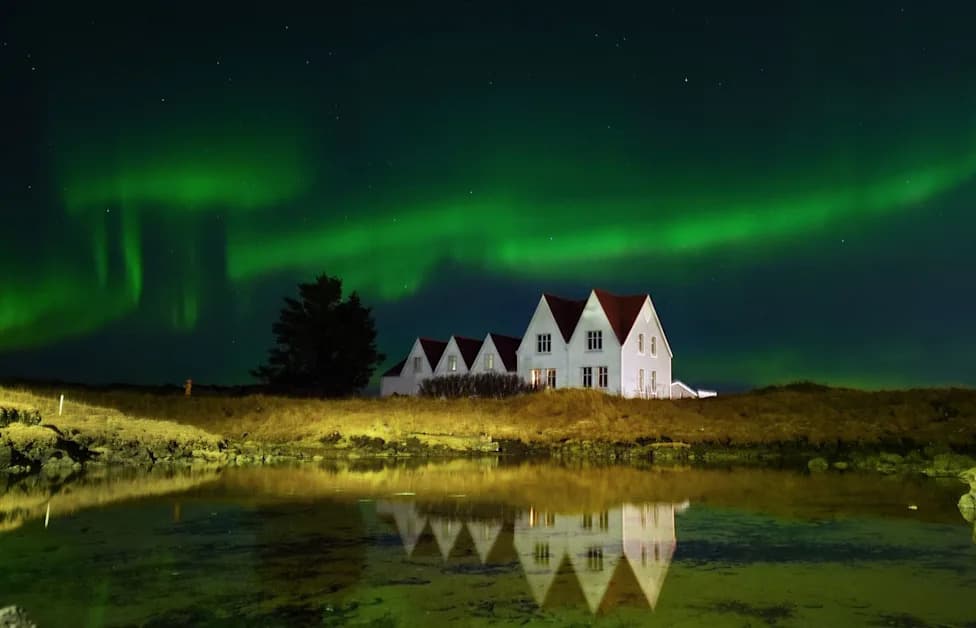
Iceland has never had a standing army.Palmi Gudmundsson/Shutterstock
Iceland has been named the world’s most peaceful country for the 19th consecutive year, according to the Institute for Economics & Peace's 2026 Global Peace Index (GPI). The report ranks 163 countries using 23 indicators across three domains: ongoing conflict, societal safety and security, and militarization.
What the GPI Measures
The GPI evaluates levels of violent conflict, the safety and security of people, and the degree of militarization. Business Insider compiled a list of the world's most peaceful countries based on the GPI results released in June 2026.
Why Iceland Leads
Iceland stands out by a clear margin among the top-ranked countries. It scored best in the domains covering ongoing domestic and international conflict and in militarization. In the societal safety and security domain Iceland ranked third, behind Finland and Norway. Taken together, these scores kept Iceland at the top of the global ranking for the 19th year running.
Security Without a Standing Army
With a population of roughly 395,000, Iceland does not maintain an army, navy, or air force. National security responsibilities fall to the Icelandic Coast Guard — which operates three vessels and an air-defense capability — and to the national police. The police include a small tactical unit of about 50 officers, informally known as the "Viking Squad," trained for high-risk scenarios such as counter-terrorism and violent-arrest operations, according to the Icelandic government.
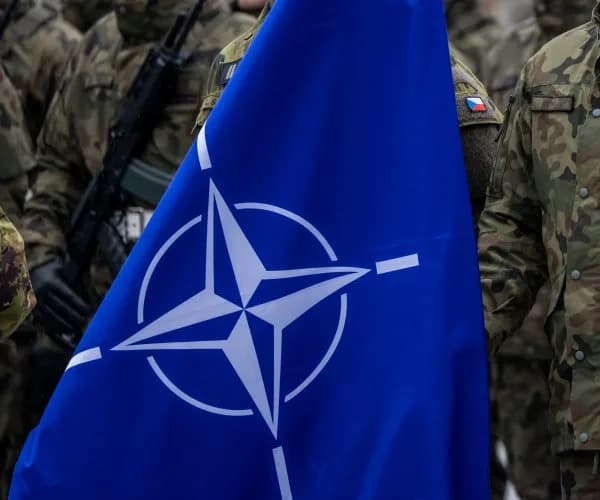
As a founding NATO member, Iceland relies on the alliance, occasional deployments by partner militaries, and a defense arrangement with the United States. The U.S. maintained a military presence in Iceland from 1951 until all permanent forces withdrew by 2006.
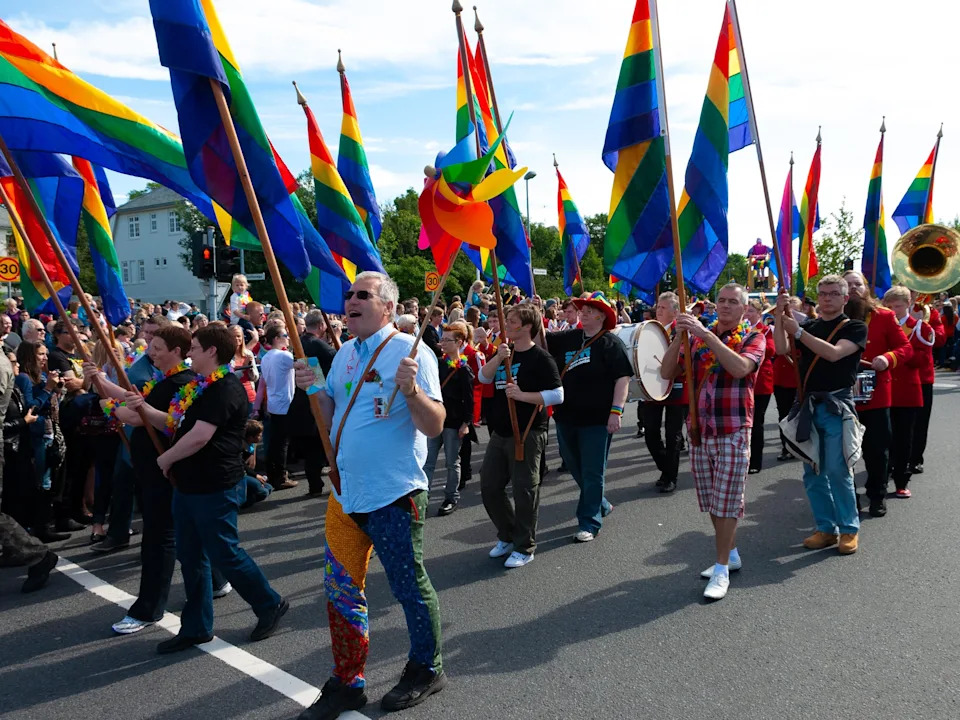
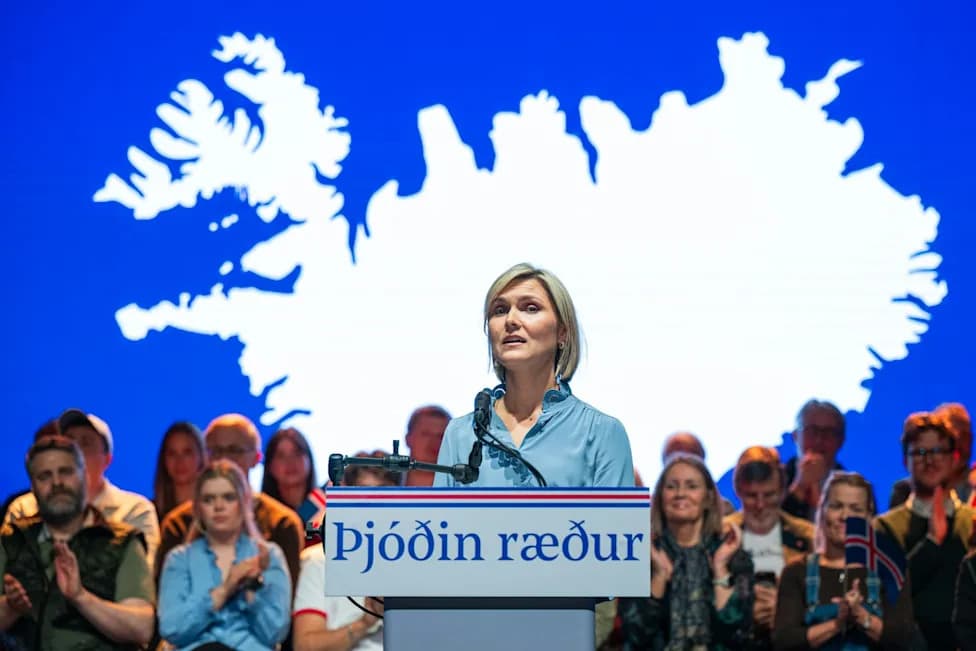
Iceland is often cited as one of the leaders in gender equality and LGBTQ rights.Palmi Gudmundsson/Shutterstock
Modern History and Low Violence
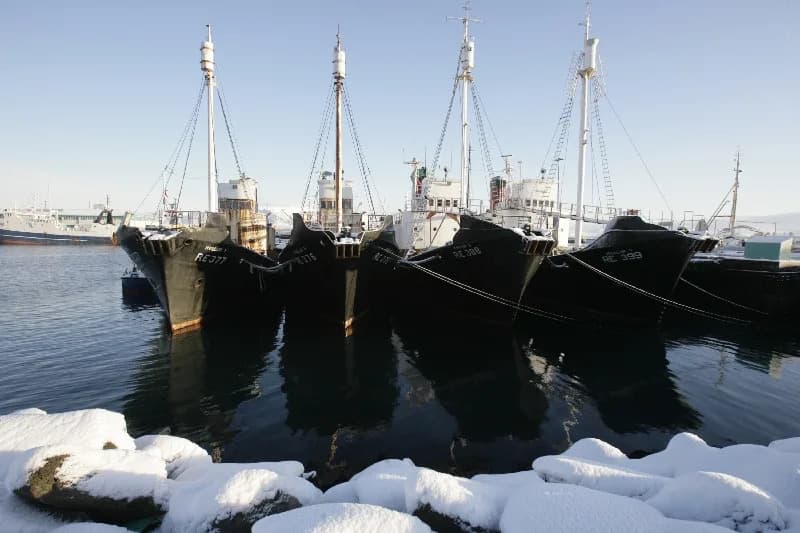
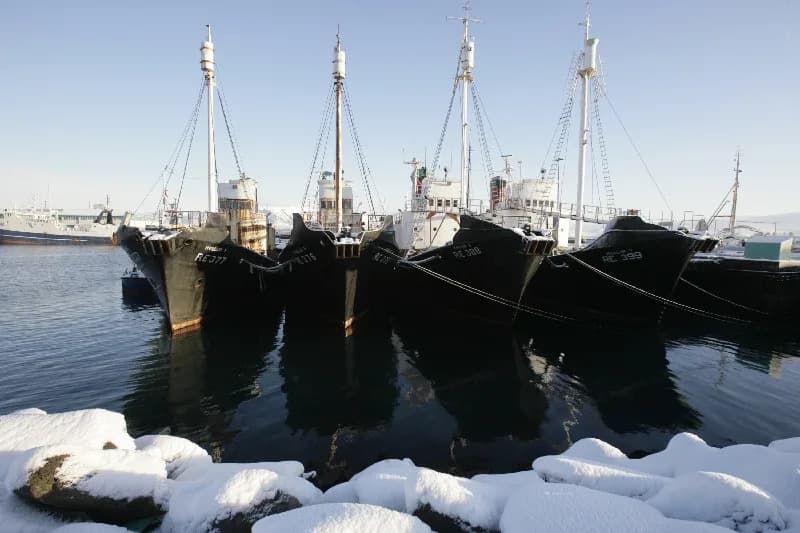
Iceland has never engaged in conventional warfare in modern times. Its most notable confrontations in the 20th century were the "Cod Wars" with Britain — disputes over fishing rights that led to clashes between Icelandic Coast Guard vessels and British ships but never escalated to declared war, according to the Imperial War Museums.
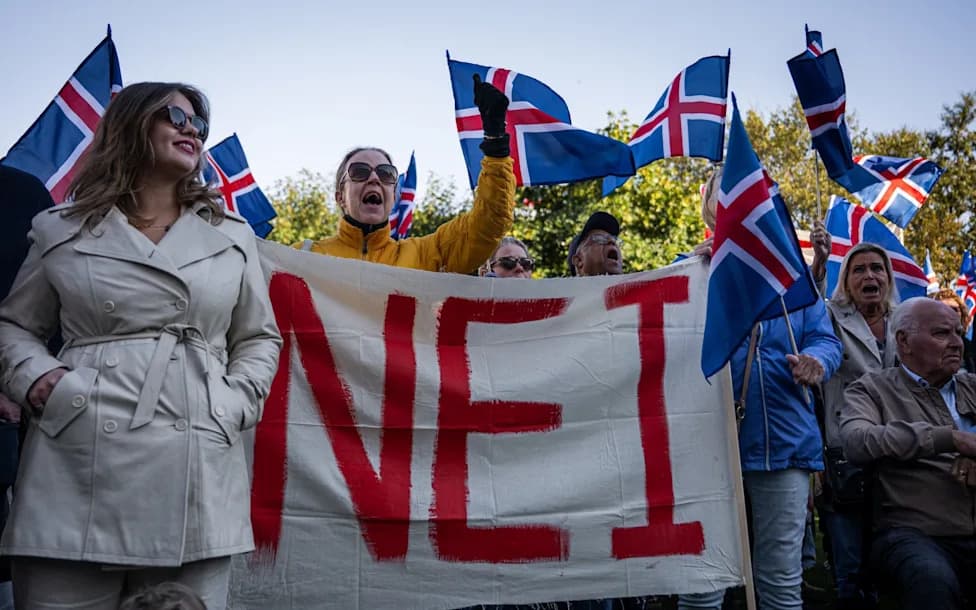
The GPI also recorded a 43% improvement in Iceland’s violent-demonstrations metric for the latest measurement period, indicating that protests were less violent than previously. This improvement stands in contrast to the global trend: the GPI highlights violent demonstrations as one of the three indicators that have deteriorated most since 2008, with the United States singled out for a substantial increase.
Comparative Crime Statistics and Social Indicators
Iceland reported one intentional homicide per 100,000 people in 2023, based on the latest World Bank data. For context, the global average in 2023 was five homicides per 100,000 people, and the United States averaged six.
Beyond the GPI, Iceland consistently ranks highly on measures of gender equality and LGBTQ+ protections. The World Economic Forum placed Iceland first in its 2025 Global Gender Gap Index for the 16th consecutive year. ILGA Europe’s 2026 Rainbow Map, which assesses LGBTQ+ rights across 49 European countries, ranked Iceland third.
What This Means
Iceland’s top ranking reflects a combination of low militarization, an absence of active armed conflict, strong societal safety, and favorable social indicators. While no country is entirely free of crime or unrest, Iceland’s institutions and social structure have kept levels of violence and instability comparatively low.
Sources: Institute for Economics & Peace (GPI 2026), Business Insider report (June 2026), World Bank (2023 homicide data), World Economic Forum (2025), ILGA Europe (2026), Imperial War Museums.
Help us improve.