Icelanders voted to halt efforts to reopen EU accession talks in an August referendum dominated by fears that membership would threaten the country’s fishing industry. Despite arguments that EU membership could boost Iceland’s strategic influence and offer disproportionate clout for a small state, the campaign was overwhelmed by misinformation, powerful domestic interests and limited institutional capacity to detect foreign influence. A 12‑point swing yielded a near 53% majority for the No side, pausing negotiations for at least two years.
Iceland’s Referendum: Fear, Fish and a Brexit-Style Setback
Iceland Just Got Played
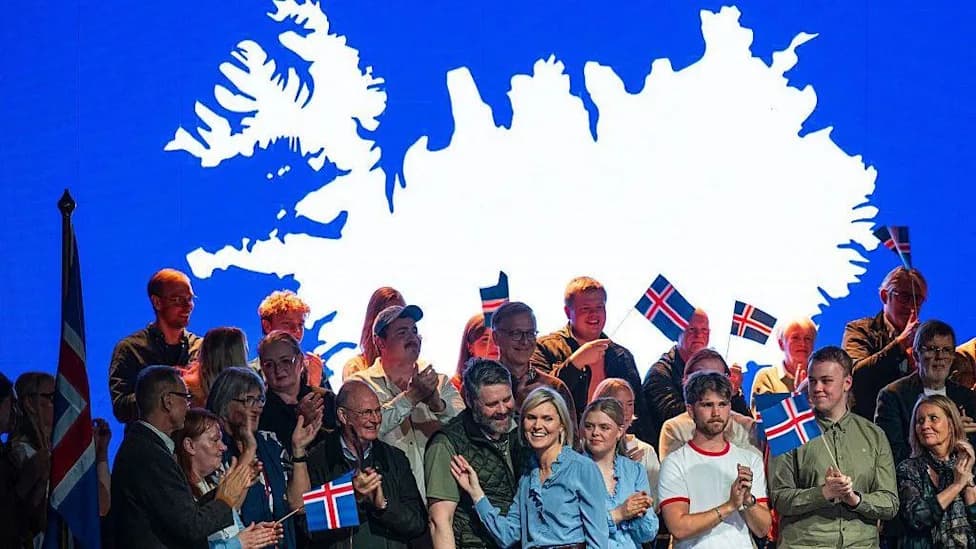
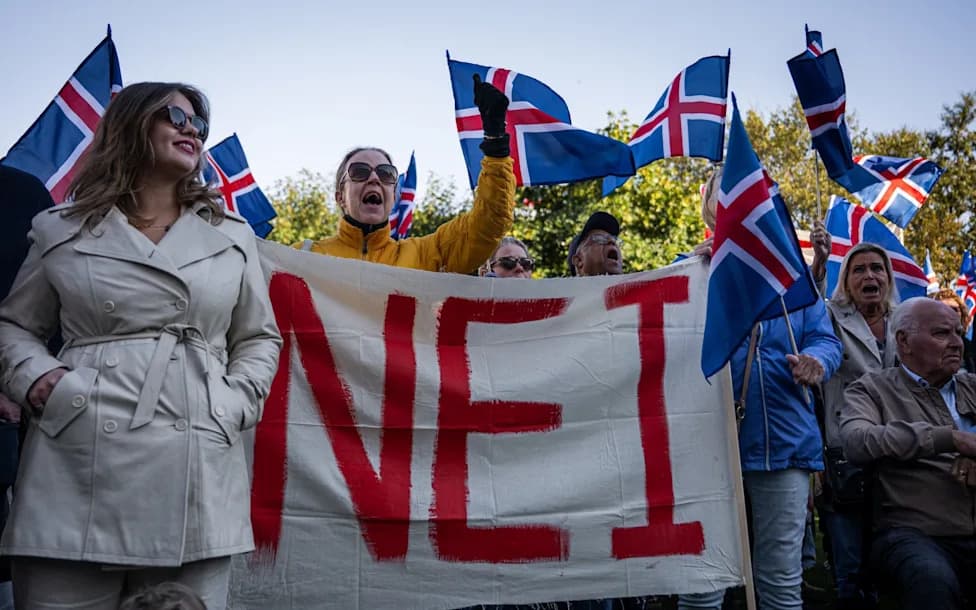
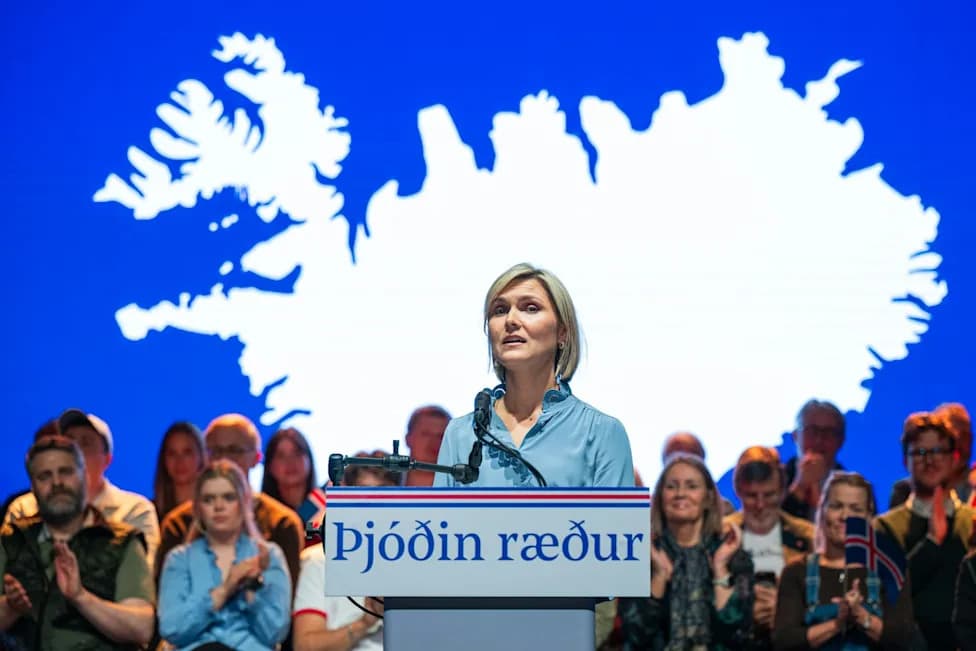
On August 28, roughly 250,000 Icelanders cast ballots in a referendum on whether to reopen negotiations to join the European Union. Although the question on the ballot was procedural, the campaign became dominated by a single fear: that EU membership would cost Iceland its fisheries.
Background
Iceland, a nation of about 400,000 people, already participates in the European Economic Area (EEA) and the Schengen visa-free travel zone. After the 2008 financial crisis exposed weaknesses in Iceland’s economy and currency, Reykjavik formally applied for EU accession, but talks stalled in 2013 following the election of a Eurosceptic government.
How The Debate Shifted
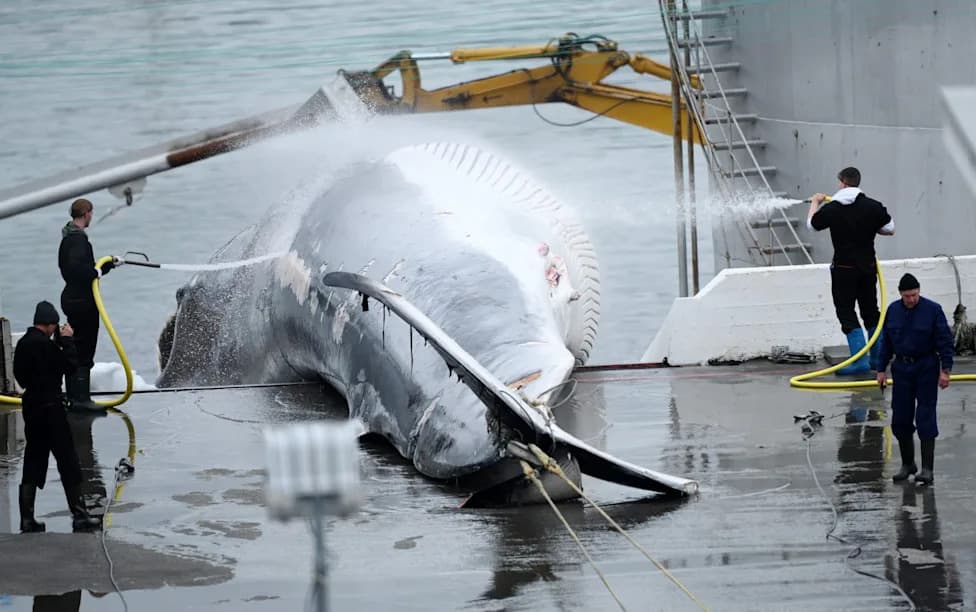
Initially framed in geopolitical terms — EU membership could strengthen Iceland’s strategic position in the mid‑Atlantic and the Arctic, and give a small state greater influence in European foreign‑policy forums — the campaign soon turned to domestic economic anxieties. Opinion pieces, social posts and some corporate media messages stoked fears that accession negotiations would expose Iceland’s fishing industry to predatory European corporations.
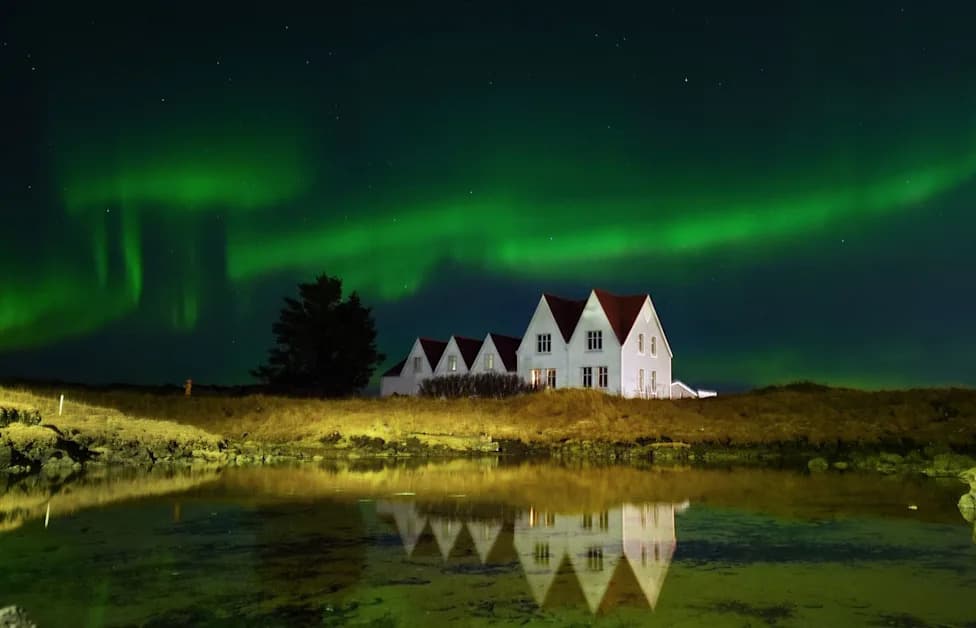
Fishing is central to Icelandic identity and economy, accounting for about 8% of GDP. Many campaign narratives ignored key realities: under current EEA arrangements Reykjavik already adopts thousands of EU rules without a vote in the European Council, and since the 1990s successive governments have sold much of the national fishing quota to private corporations, leaving a small share for the small‑boat fisheries that sustain rural coastal communities.
"Political power lies with the oligarchs," said Icelandic economist Thorvaldur Gylfason, a Yes campaigner.
Yes campaigners say those same concentrated commercial interests helped propel misinformation before the vote — exaggerated cost claims (independent estimates put the likely net fiscal impact closer to $70 million annually) and alarmist tales such as compulsory conscription into a non‑existent "European army." Tinatin Akhvlediani of the Centre for European Policy Studies noted, "They were worried about sending people to an army that didn't exist."
Foreign Influence And Institutional Limits
The EU largely declined to fight the misinformation or clearly outline the benefits of membership, a silence many pro‑Europeans criticized. Rumours of foreign meddling also circulated, with EU officials warning of influence from "east and west." Iceland lacks robust infrastructure to monitor and counter sophisticated information operations, researchers say, making the public conversation vulnerable.
The Result And Its Consequences
Across the campaign period a 12‑point polling swing produced a near 53% majority for the No side, effectively blocking renewed accession talks for at least two years. The outcome surprised Brussels and prompted calls for EU reform, but it also preserved the status quo: entrenched domestic interests retained political and economic influence, and external actors that prefer a non‑aligned Iceland — including some in Washington and Moscow — saw the result as advantageous.
Right‑wing figures in Europe celebrated the vote as a rebuke to deeper integration, while critics argued ordinary Icelanders lost a chance for disproportionate leverage in European affairs: a seat in the European Council would have given Reykjavik a meaningful voice in the bloc’s foreign‑policy and security decisions, even without a standing military.
What Comes Next
The referendum leaves Iceland at a crossroads. Supporters of renewed talks call the result short‑sighted — a decision driven by fear of change rather than a full appraisal of strategic opportunity. Opponents maintain that national sovereignty and control over fisheries must remain paramount. For now, the debate will continue, but the formal path to EU accession is closed for the immediate future.
For the moment, the fish remain.
Help us improve.