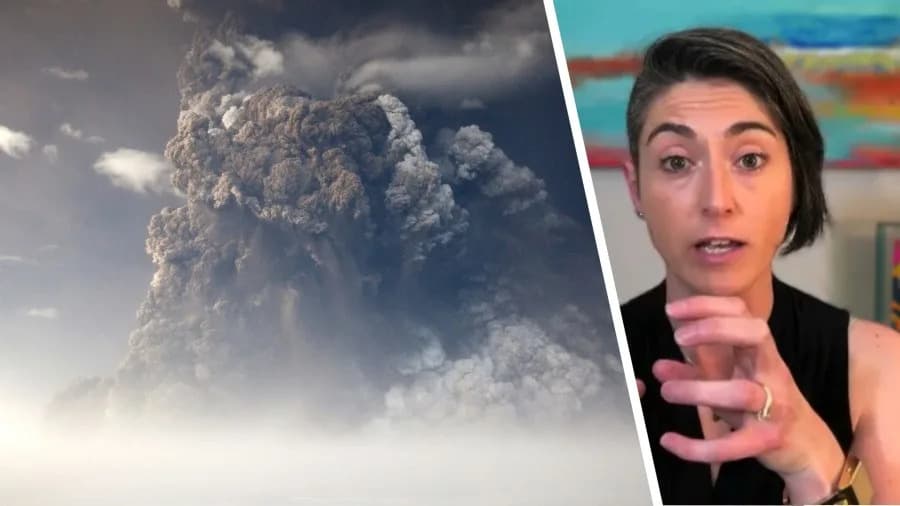
Park staff and Yellowstone Volcano Observatory scientists recorded seismic and hydrothermal activity near Black Diamond Pool in Biscuit Basin in mid-June, and a new boiling pool formed after the ground collapsed between June 14–16. A webcam captured steam plumes on June 13 and instruments logged seismic and infrasound signals; observers later photographed a 20–30-foot geyser erupting from the new feature. Initial reports list the pool as roughly 350 feet across, but that measurement is being verified. Biscuit Basin remains closed while USGS and park teams continue monitoring.
New Boiling Pool Emerges in Yellowstone’s Biscuit Basin After Sudden Hydrothermal Activity
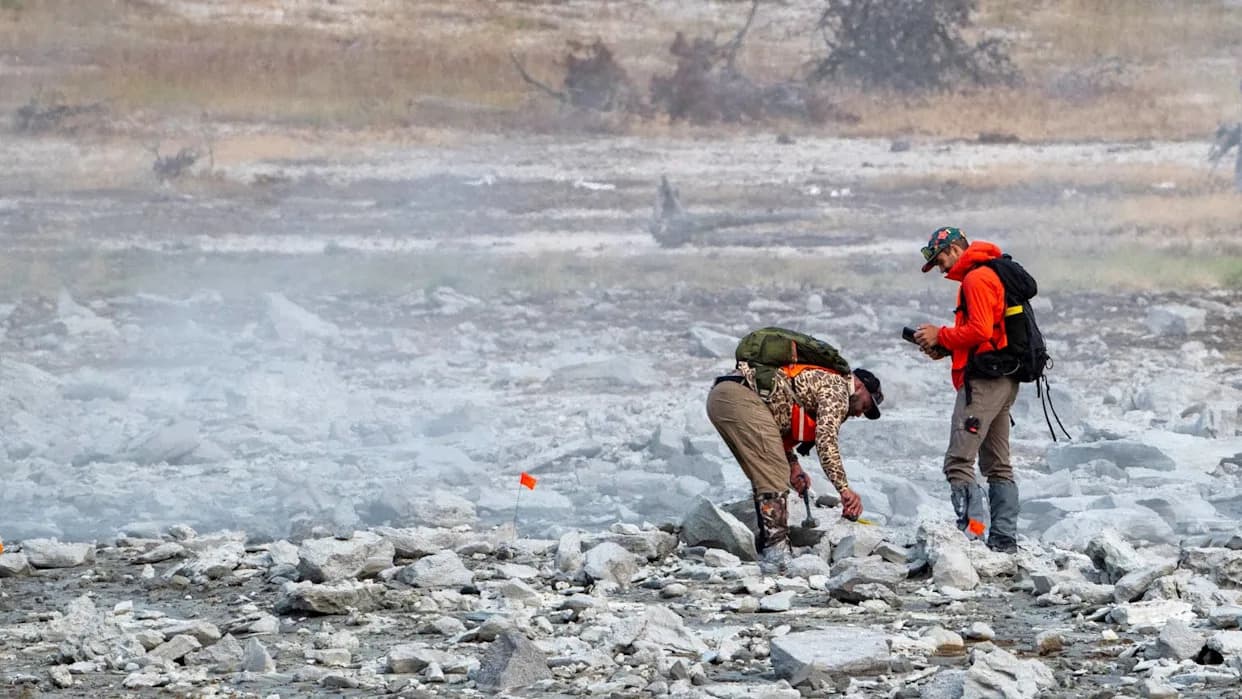
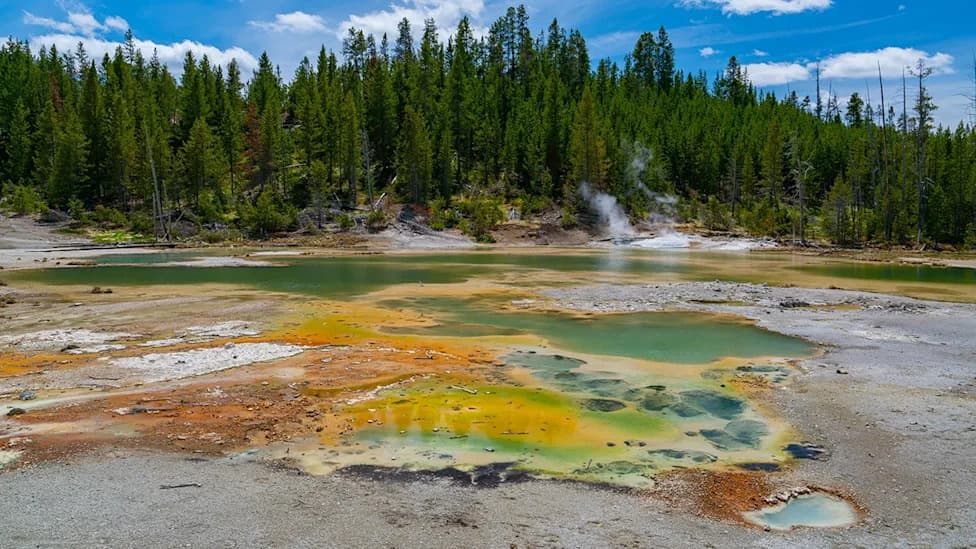
Yellowstone’s geothermal landscape changed again this month when park staff and scientists recorded fresh seismic and hydrothermal activity near Black Diamond Pool in Biscuit Basin, and a new boiling pool formed shortly thereafter.
What happened: On June 13, a static webcam (installed in 2025) captured plumes of steam rising more than ten feet from ground cracks and vents around dawn. Monitoring instruments at the same location registered seismic and infrasound signals beneath the north side of Black Diamond Pool. Later that morning, park personnel observed cloudy flows of hydrothermal water and suspended sediment issuing from newly opened vents and draining into the Firehole River.
Pool formation: Between June 14 and June 16, the surface apparently collapsed around one of those vents and the depression filled with boiling water, creating a new thermal pool just north of Black Diamond. Initial reports described the feature as roughly 350 feet in diameter; however, that figure appears inconsistent with other descriptions and may be a reporting or transcription error. Park and USGS teams are working to confirm the pool’s exact dimensions. Two days after the collapse, observers photographed a 20–30-foot geyser erupting from the new pool.
Scientific context and monitoring: Scientists from the Yellowstone Volcano Observatory (YVO) noted on the USGS website that they had been walking across the ground where the pool later formed just days earlier. That quick transition—from intact ground to collapse and boiling water—underscores how dynamic Yellowstone’s hydrothermal system can be even though its deeper volcanic processes operate over geologic time. YVO and National Park Service staff continue to monitor seismic, infrasound and thermal data and maintain access restrictions for public safety.
Why Yellowstone is active: The region’s geothermal activity is driven by a long-lived hotspot beneath the North American plate. Volcanism in this region began intensifying roughly two million years ago (since the Pliocene), and over time the hotspot produced a chain of volcanic deposits and calderas across what is now Idaho and Wyoming. Evidence of earlier hotspot activity is visible at Craters of the Moon National Monument in southeastern Idaho. The sequence of massive eruptions that helped form the modern Yellowstone Caldera dates back hundreds of thousands of years; the most recent major caldera-forming event is associated with deposits about 640,000 years old (the Lava Creek eruption). By contrast, many of Yellowstone’s surface geysers and hot springs developed far more recently—often after the last Ice Age, as glaciers retreated roughly 15,000 years ago.
Visitor impact and outlook: Biscuit Basin has been closed to visitors for two years because of ongoing hydrothermal volatility; closures include popular features such as Black Opal Pool, Black Diamond Pool, Sapphire Pool and Jewel Geyser. The new pool is currently unnamed and its long-term behavior is uncertain: classic, regularly erupting geyser cones form over very long time spans (tens to hundreds of thousands of years) and depend on subsurface plumbing, mineral deposition and even regional precipitation patterns. For now, the Biscuit Basin webcam and official park and USGS updates are the best ways to follow developments safely.
Bottom line: Vents can open and the ground can collapse on timescales of days in Yellowstone’s hydrothermal areas. Scientists are monitoring this new pool closely to refine size measurements, understand its behavior and protect public safety.
Help us improve.