Camden Council faced criticism after requiring residents to remove air‑conditioning while having installed windows at the Chalcots Estate that tests showed caused overheating unless left fully open. The Housing Ombudsman found that the council omitted key information, failed to consult properly, and committed severe maladministration, ordering apologies, compensation and procedural reviews. Camden says it has since replaced the problematic windows and continues to promote low‑energy cooling measures.
Camden Ordered Tenants To Remove Air‑Conditioning After Fitting Overheating Windows
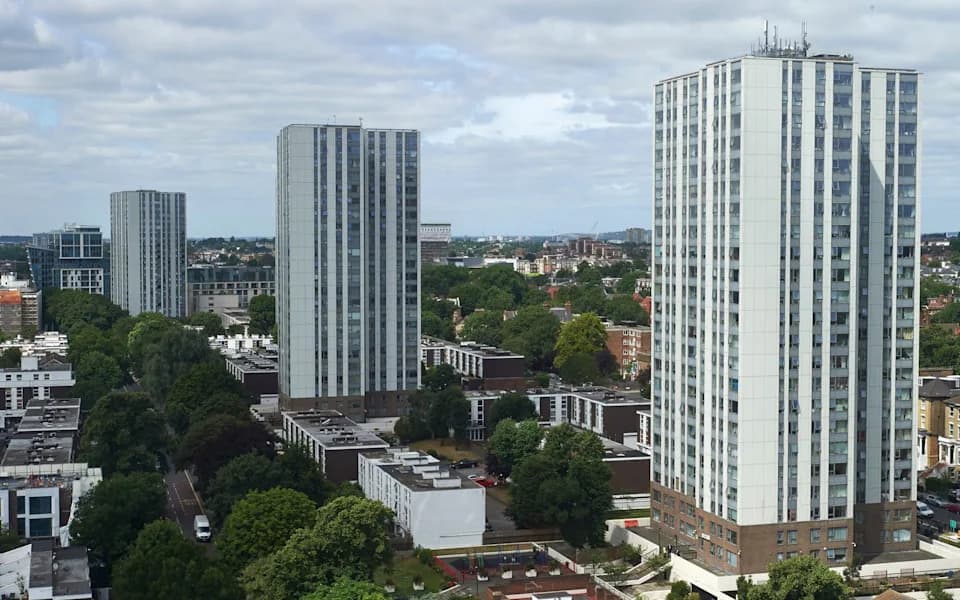
Chalcots Estate has undergone years of work to replace insulation, cladding and windows to improve fire safety - NIKLAS HALLE'N/Getty
A Labour-run council that has required residents to remove air‑conditioning units under local climate rules was itself responsible for installing windows that caused overheating in hundreds of flats, an investigation has found.
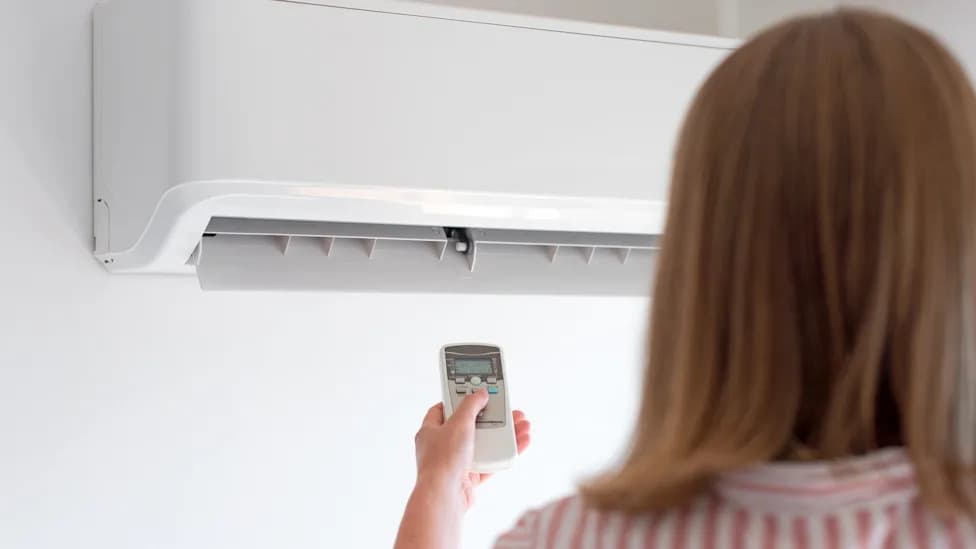
Planning officers at Camden Council have told tenants to remove air‑conditioning as part of a “cooling hierarchy” that permits active cooling only after passive measures—such as opening windows, shading and fans—have been exhausted. The policy draws on guidance promoted by the Mayor of London.
Yet independent tests in 2024 found the window design installed across several blocks at the Chalcots Estate in north London would lead to overheating unless the sashes were left fully open. Camden had told residents the new windows would deliver a 55% reduction in overheating, but did not make clear that this benefit depended on opening the sashes to a 90° angle, leaving an approximate 30cm gap.
Housing Ombudsman Findings
The Housing Ombudsman concluded the council omitted key information about the windows and failed to consult properly with residents. The watchdog also found there had been “severe maladministration” in how Camden handled the subsequent complaint, noting the council’s own guidance flagged the designs as unsafe and that the windows presented a risk of children falling out.
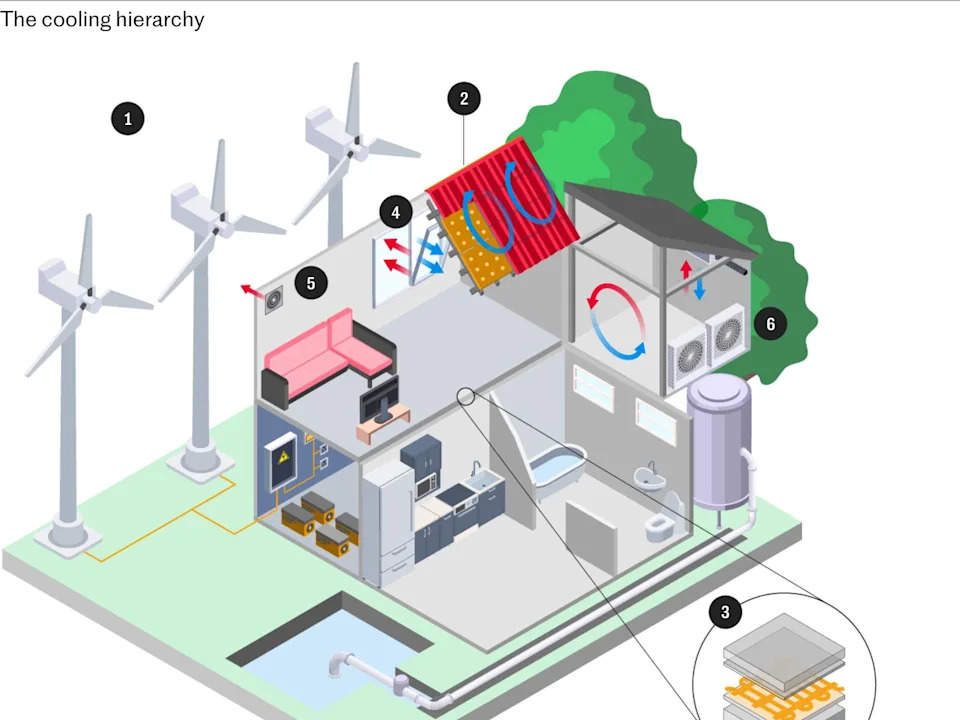
2506 The cooling hierarchy
The Ombudsman warned there remained a risk that young children could overheat in bedrooms at night because of the window design. It ordered Camden to apologise, review risk-assessment procedures for major works, write to affected residents setting out the risks, and provide compensation.
Camden later apologised for a separate error after dozens of flats received windows installed the wrong way round, which again contributed to overheating. Workers returned to correct thousands of panes, and the contractor offered affected tenants £300 each as compensation for the disruption.
The Chalcots Estate comprises five tower blocks that underwent extensive refurbishment—replacing insulation, cladding and windows—after being identified as a fire-safety risk following the Grenfell Tower tragedy.
Context And Response
The Telegraph also reported multiple recent cases in which residents were ordered to remove air‑conditioning under Camden’s cooling hierarchy. The council says it discourages air conditioning because it is energy‑intensive and can increase local temperatures by raising overall energy demand and worsening the urban micro‑climate.
Camden—one of the first UK local authorities to declare a climate emergency in 2019—says it has reduced borough carbon emissions by 52% since 2019 and prioritises low‑energy cooling measures such as shading, improved glazing and ventilation. A council spokesman said: “We take the climate emergency seriously. We have now replaced the windows at the Chalcots with units intended to reduce overheating while allowing residents to ventilate their homes properly.”
Previous reporting also noted controversies such as the circulation of a disputed study by a council deputy leader on gas-stove risks and almost £11,000 spent on taxi fares for the mayoral team last year despite a full‑time chauffeur being available.
Help us improve.