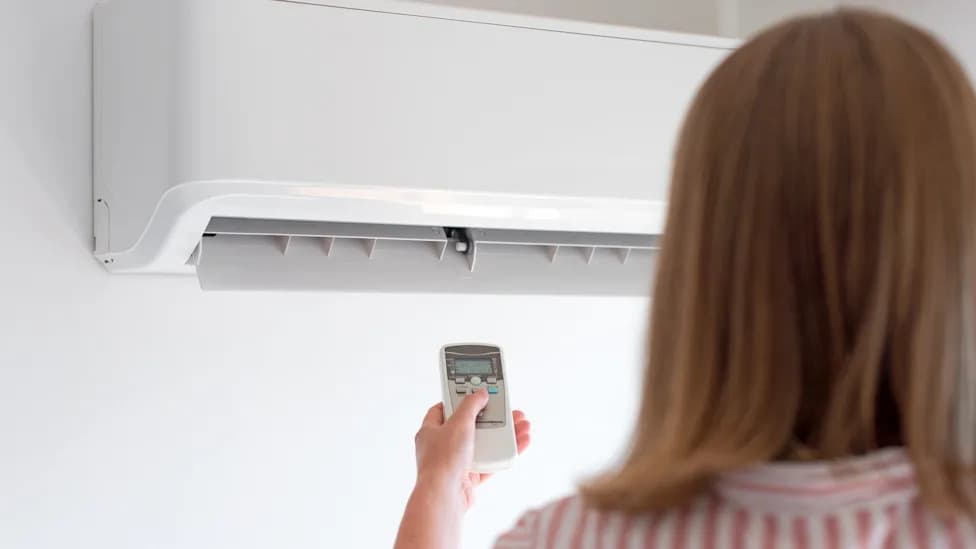
Houston’s City Council voted 12-2 to require landlords to provide air conditioning in all rental units, giving owners 120 days — until December — to comply. The ordinance ends the long-standing "window screen exemption" and routes violations through normal code enforcement, including inspections and possible citations. Supporters say the change protects vulnerable residents amid rising heat-related health risks and brings Houston in line with other major Texas cities; critics warn it could raise rents and utility costs.
Houston Declares Air Conditioning A Basic Housing Standard; Landlords Given 120 Days To Comply
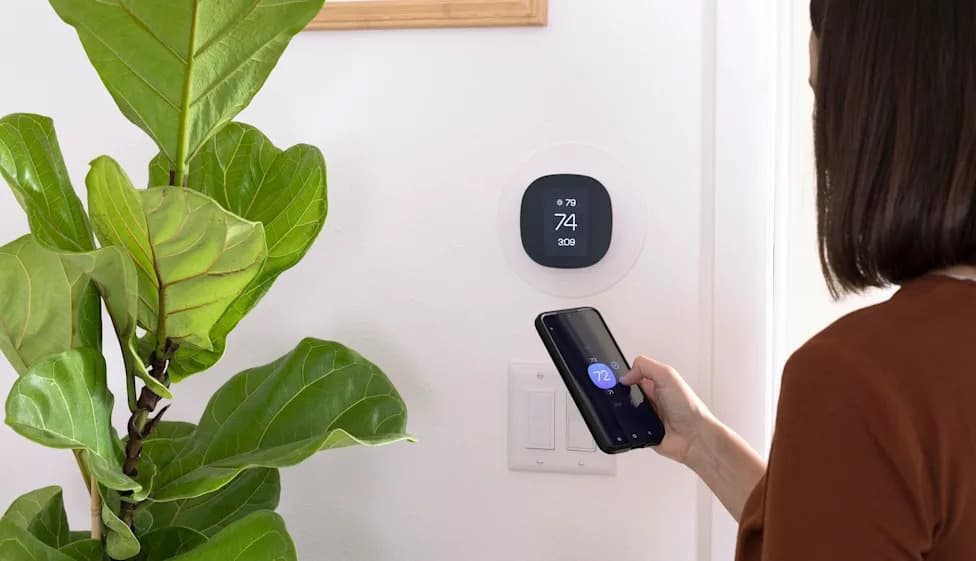
Photo Credit: iStock
Houston’s City Council has voted to require landlords to provide air conditioning in every rental unit, elevating cooling from an optional amenity to a minimum housing standard in one of Texas’s hottest major cities.
What the Ordinance Requires
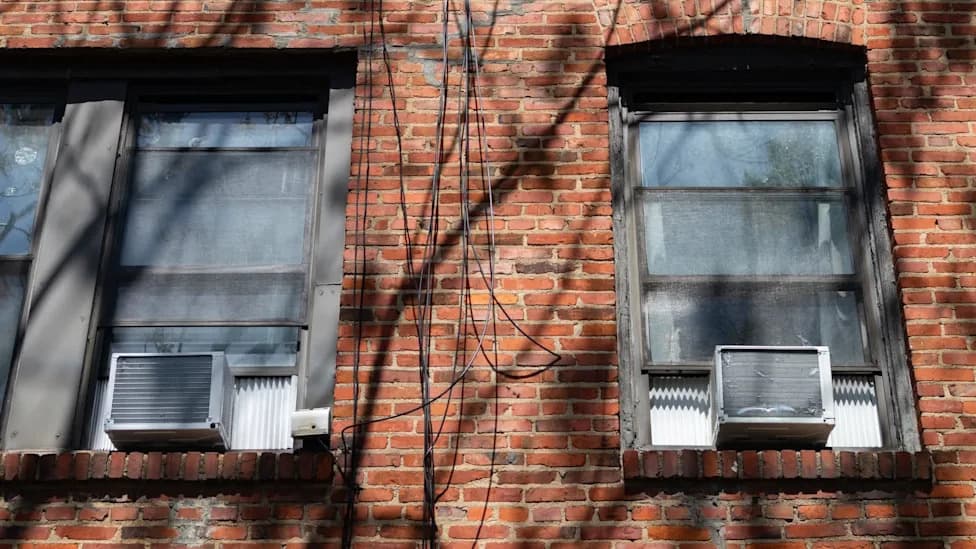
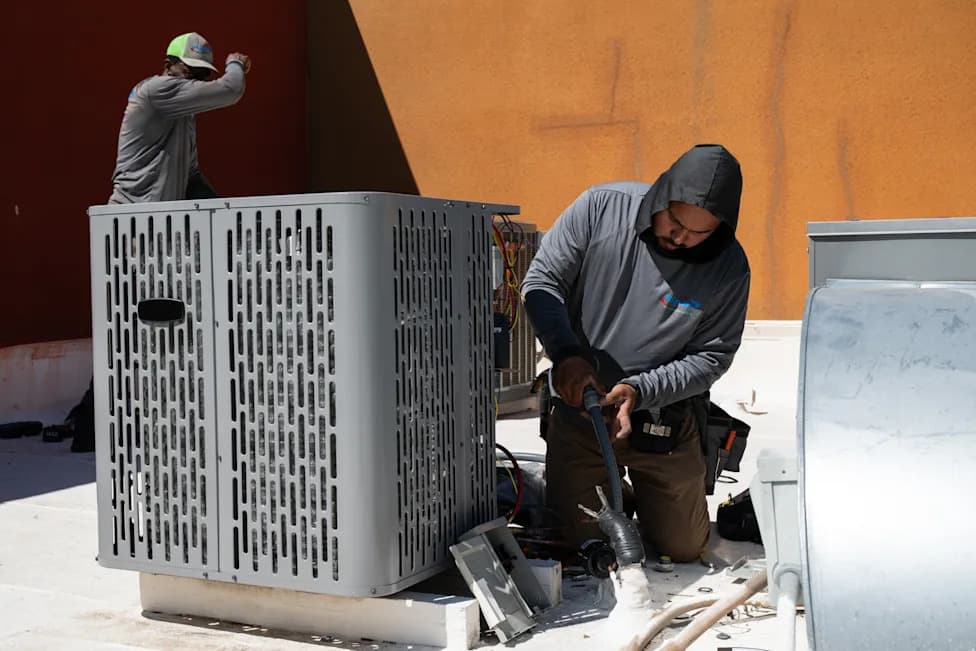
The council approved the measure 12-2, and landlords have 120 days — until December — to equip each rental unit with some form of cooling, whether central air, a window unit, or a portable air conditioner. The ordinance ends Houston’s long-standing “window screen exemption,” which previously allowed owners to meet housing-code standards with screened windows and doors instead of refrigerated air.
Enforcement and Remedies
Units without functioning air conditioning will be addressed through the city’s normal code-enforcement process. Tenants can file complaints, the health department can inspect properties, and landlords who fail to remedy violations may face citations or municipal court action.
Why Supporters Backed the Change
Backers say the ordinance aligns Houston with other large Texas cities and recognizes indoor cooling as part of a safe, livable home rather than a luxury. Supporters pointed to several years of record summer heat and a rise in heat-related deaths across the Houston area. Indoor cooling can substantially reduce health risks for older adults, children, and people with medical conditions that worsen during extreme heat.
Julia Orduña, Texas Housers: "It comes down to that right to choose how much you're going to pay for electricity. It's not about living with or without AC in your unit, it's about deciding when to turn the AC on and off."
Concerns and Context
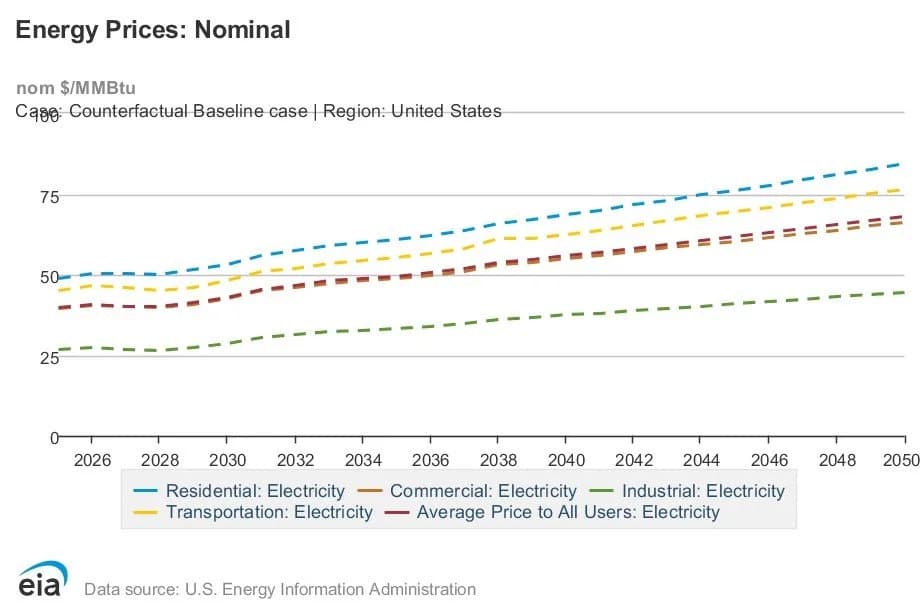
Some officials warned the rule could increase housing costs. Mayor John Whitmire said he was "fearful" the requirement could push rents and utility bills higher. Council Member Twila Carter cautioned, "My concern is for the people that this policy is intended to protect. This comes at a heavy cost, and it will put people on the streets." Council Member Amy Peck, who is also a realtor, noted the city already requires heat and said renters often have little recourse when an existing AC unit breaks and is not repaired.
The ordinance drew support not only from housing advocates but also from the Houston Apartment Association, and speakers at public hearings did not register noticeable landlord opposition. The measure also comes amid broader statewide debate: lawmakers considered a statewide mandate for AC in rentals, but that effort stalled amid concerns about adding regulatory burdens for property owners.
Council Member Alejandra Salinas: "All Houstonians deserve a right to rest from heat, and that's what this ordinance is going to do."
Data and Scope
A 2023 survey estimated roughly 20,400 rental households across the Houston metropolitan area lacked air conditioning; that figure includes units outside Houston city limits, so not all those homes would fall under the new city ordinance.
Bottom line: The new rule makes air conditioning a baseline requirement for rentals within Houston city limits and sets a clear timeline and enforcement process for compliance, while sparking debate about potential cost impacts for landlords and tenants.
Help us improve.