A study analyzing nearly 800,000 fashion images over 25 years finds that ultra-thin bodies remain overrepresented in high fashion, even as small gains in visible diversity appear. Non-white models were found to be 4.5 times more likely to be categorized as plus-size, suggesting diversity gains are often limited or uneven. Researchers warn this normalization of extreme body ideals may raise psychological and eating-disorder risks and say strict policy measures—such as Milan’s minimum BMI rule—can be more effective than softer regulations.
New Study: High Fashion Still Prioritizes Ultra-Thin Models Despite Limited Gains in Diversity
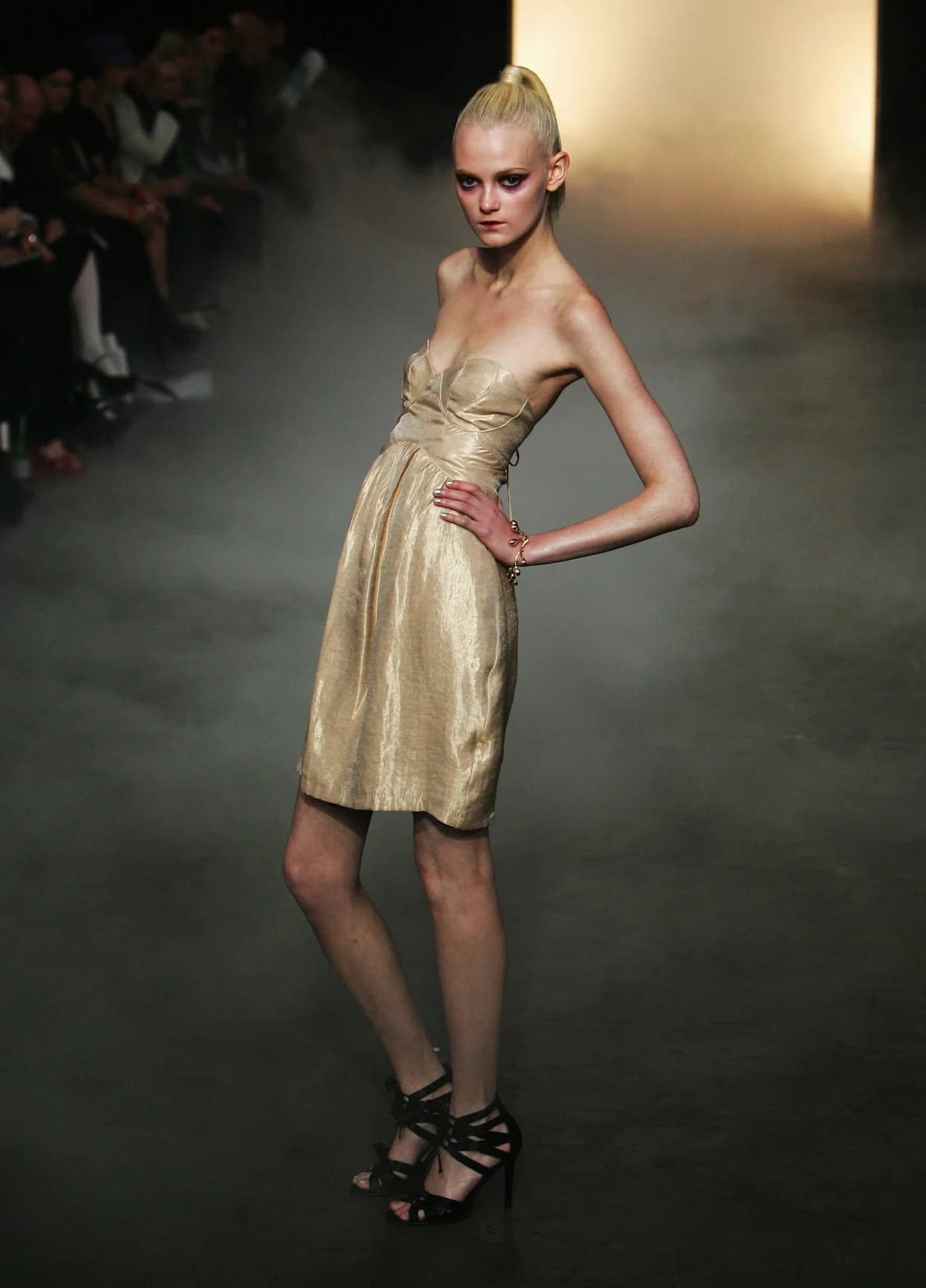
A major new study analyzing nearly 800,000 fashion images over 25 years finds that extremely thin bodies remain the dominant ideal in high fashion, especially at the industry’s elite levels. The research—published in Proceedings of the National Academy of Sciences—paints a nuanced picture: visible diversity has increased modestly, but structural change is limited and often concentrates multiple markers of diversity on the same underrepresented individuals.
Study Overview
The paper, titled "Cultural Evolution of Human Beauty Standards," was authored by a five-person team based in Europe and the U.S. Researchers mined almost 800,000 runway photos, advertisements, magazine covers and editorial spreads spanning a quarter-century. They also examined roughly 15,000 individual model profiles listed on Models.com and The FashionModelDirectory during an 18-month profiling period, according to researcher Louie Bodier.
Key Findings
Ultra-lean physiques remain overrepresented at top-tier fashion shows and editorial placements. The study reports that non-white models were 4.5 times more likely to be categorized as plus-size, which led researchers to suggest the industry may be “consolidating multiple markers of diversity onto already underrepresented individuals” rather than instituting broad inclusivity.
“The most important thing is that diversity has increased since 2000. There is a wider range of body types, hair colors and eye colors,” Louie Bodier said, while cautioning that these gains are limited in scope.
Diversity, Plus-Size Labels, and Population Context
The industry’s typical threshold for plus-size often begins at about a U.S. size 12—smaller than the average American woman. CDC data cited in the study put the average American woman at 5'3" and 171.8 lbs with a 38.5" waist; the average American man is 5'8.9" and 199 lbs with a 48.6" waist. These comparisons underscore how fashion’s internal categories diverge from general-population measures.
Health Implications
The authors warn that normalizing extremely thin female bodies and very lean, muscular male physiques can contribute to psychological distress and increase eating-disorder risk. They cite a Scandinavian Journal of Public Health finding that 46% of teenagers aged 13–17 say social media makes them feel worse about their bodies, and that spending more than three hours a day on social platforms is associated with roughly double the risk of developing an eating disorder.
Measurements, Metrics and Limitations
The team analyzed body measures including height, waist, hips and Relative Fat Mass (RFM), an index estimating body fat from height, waist circumference and sex. RFM is presented by the researchers as a more informative estimator than Body Mass Index (BMI), which relies only on height and weight. The study notes a key limitation: the fashion industry typically does not publish models’ body weights, and automated tools like FairFace introduce biases that can favor accuracy for Caucasian faces over others—so AI was used sparingly.
Policy Levers and Industry Practices
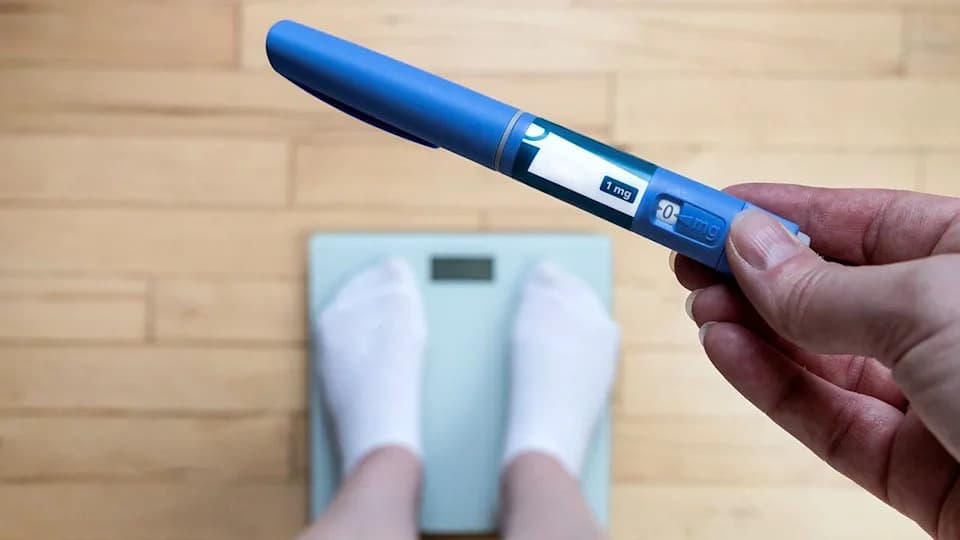
Bodier and colleagues point to policy interventions that can shift standards. Milan Fashion Week’s minimum BMI requirement of 18.5 is cited as an example of an effective high threshold; the study found such strict rules produced discernible change. By contrast, France’s 2017 law requiring medical certificates from physicians appeared less effective in their analysis. The paper also flags the rising accessibility of weight-loss drugs (e.g., Ozempic, Mounjaro) as a factor worth monitoring for its potential impact on industry norms.
Brands and Recognition
The article highlights mainstream campaigns and awards that reflect a partial embrace of broader representation—Calvin Klein’s "All Together" series, H&M’s Pride support, Aerie’s #AerieREAL, and Skims’ “Celebrating Every Body” ads—while noting that such campaigns do not necessarily equal systemic reform. Several brands, including Dove, Fenty, Gymshark, NYX Cosmetics, Self Glow and Skims, were recognized at the 2024 Ethnicity Awards for initiatives supporting communities of color.
Conclusion
The study documents both continuity and small signs of change: elite fashion continues to favor very thin models, while visible diversity has broadened to a degree—often in limited, uneven ways. The researchers recommend stronger policy thresholds and continued monitoring of industry practices and new societal influences to encourage more structural, equitable change.
Help us improve.