The article examines how coffee cultivation has replaced large tracts of Vietnam’s Central Highlands, driving deforestation, groundwater depletion and soil degradation. Coffee Watch reports roughly 500,000 acres cleared for coffee since 1990, with forest cover down about one-third and coffee plantings up fourteenfold. While coffee accounts for about 1% of global deforestation, its local impacts are acute; solutions include agroforestry, supply-chain reform and policy incentives to limit coffee grown on recently deforested land. Broader gains for forests and climate would come from reducing land-intensive beef production.
How Our Coffee Habit Is Eating the Earth: Vietnam’s Highlands, Deforestation, and a Path Forward
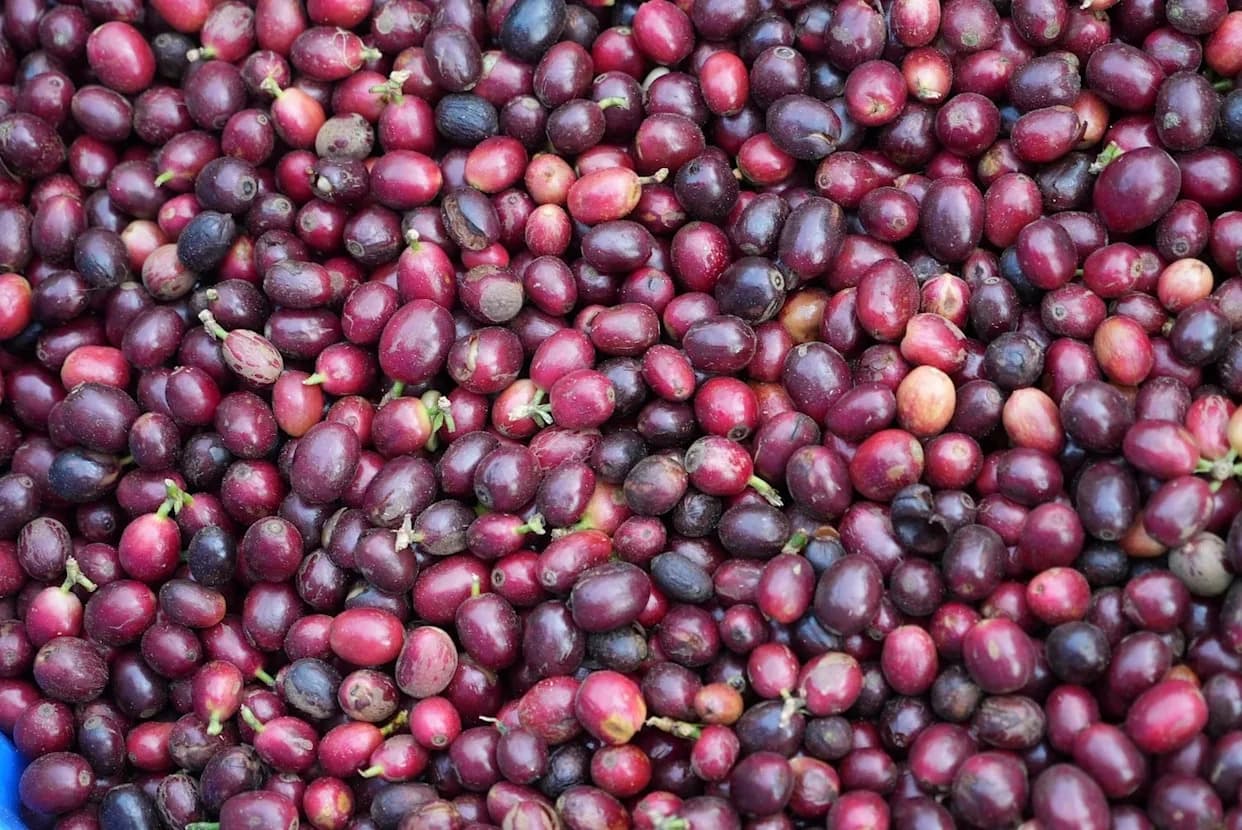
Not long ago, Vietnam’s Central Highlands were cloaked in triple-canopy rainforest so dense that sunlight seldom reached the forest floor. Those humid, rain-soaked woodlands—home to tigers, elephants and diverse primates—provided critical ecological services: recharging groundwater, stabilizing soils, and buffering extreme temperatures.
Today much of that forest has been converted to coffee plantations.
Key Findings
A report from the nonprofit Coffee Watch documents that about 500,000 acres of Central Highlands forest have been cleared for coffee since 1990—an area roughly the size of Luxembourg. During the same period, forest cover in the region fell by about one-third while coffee plantings expanded roughly fourteenfold. Vietnam now produces about one in five of the world’s coffee beans and supplies nearly 40% of the global robusta market.
Environmental Impacts
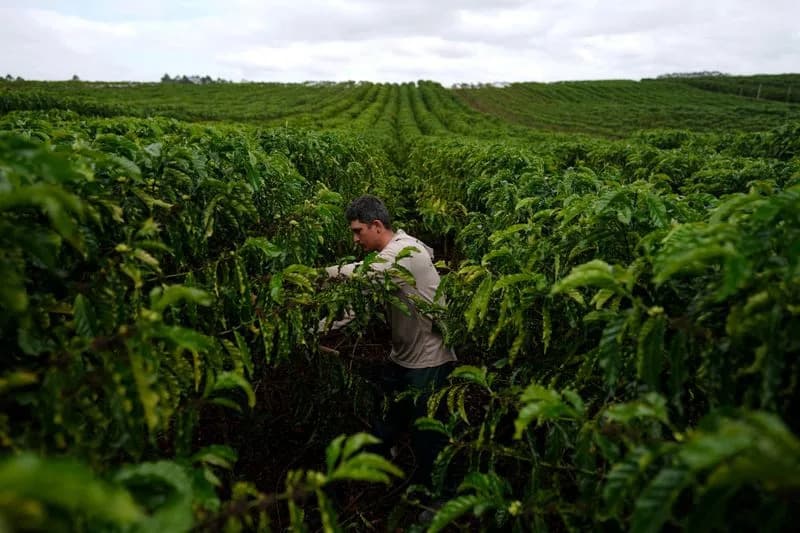
Intensive coffee production in the Highlands is straining the region’s natural systems. Heavy irrigation has lowered groundwater tables and forced some farmers to drill wells as deep as 150 feet. Persistent use of synthetic fertilizers and pesticides is depleting soil nutrients and putting growers on a ‘‘nutrient treadmill’’—where higher chemical inputs are required just to maintain yields. When forests are cleared, the ecological services they provided—groundwater recharge, erosion control and local climate regulation—are lost along with the trees.
“Most people are good people; they’d never dream of going to Starbucks and ordering a latte plus a dead elephant,” said Etelle Higonnet, founder of Coffee Watch. “But that’s basically what we’re doing. We’re raping and poisoning the planet with every cup we drink.”
Scale and Context
Globally, coffee accounts for roughly 1% of agricultural deforestation—modest compared with cattle (about 40%) or soy and oil palm (about 18%). Still, localized impacts can be severe: coffee production worldwide has replaced an area roughly the size of New Jersey, and the loss in Vietnam has been dramatic for wildlife. The saola—an elusive antelope nicknamed the “Asian unicorn”—is feared extinct in the region, and wild tiger and elephant populations have been gravely reduced.
Some striking comparisons: between 2000 and 2015 cattle ranching replaced an area of forest about the size of California—more than 200 times the land lost to coffee in Vietnam during the same period. Pastures globally now cover roughly twice the area of South America.
Supply Shocks and Climate Risk
Droughts have already contributed to bean shortages and record-high prices. Climate projections indicate that up to half of the region’s coffee acreage may become unviable by midcentury, a shift that could push production into new frontiers and trigger further forest conversion.
People and Organizations
Etelle Higonnet, a Yale Law graduate and former Amnesty International and Greenpeace campaigner, launched Coffee Watch in late 2024 to spotlight coffee’s environmental and labor harms. Although coffee’s share of global deforestation is relatively small, Higonnet argues it receives far less attention than its localized impacts merit.
Solutions and Policy Options
Practical responses include strengthening supply-chain accountability and expanding shade-grown, agroforestry systems. Around 20% of global coffee is now cultivated under more sustainable agroforestry practices—planting trees in ‘‘doughnut’’ or ‘‘zebra stripe’’ patterns or interplanting shade trees across fields. Brazil has shown that improving farm efficiency can increase yields while reducing land pressure: in one generation it doubled output and lowered its land footprint. Companies such as Nestlé are developing more climate-resilient varieties that could raise yields further.
Policy tools could include incentives for reduced irrigation and fertilizer use, technical assistance to improve yields on existing farmland, and import rules that prohibit coffee grown on recently deforested land. From a prioritization standpoint, reducing beef consumption and making cattle production more land-efficient would deliver larger gains for global deforestation and emissions, but targeted measures in coffee-producing regions can protect important species and ecosystems.
Conclusion
Coffee is not the largest driver of global forest loss, but it is causing severe local harm in places like Vietnam’s Central Highlands. The story of the Highlands illustrates a broader truth: almost everything we consume has environmental costs, and meaningful change requires both consumer pressure and policy action to redirect agriculture onto more sustainable paths.
Help us improve.