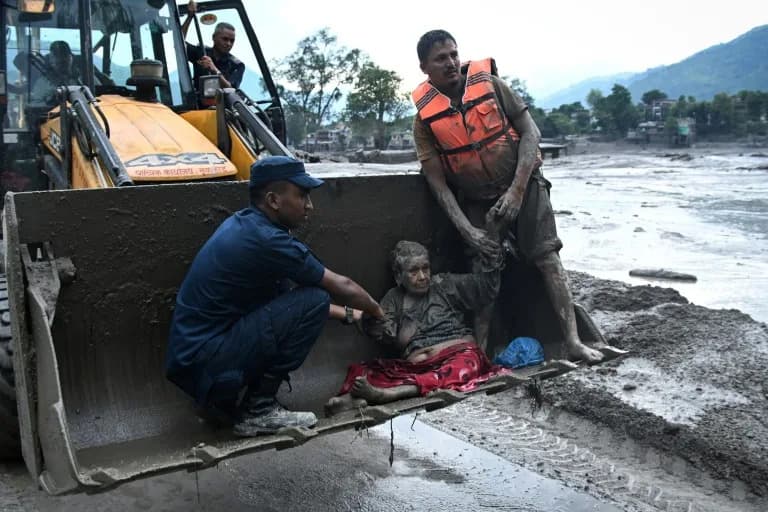
A group of ten Australians has asked the UN Human Rights Committee to find that Australia’s approvals and subsidies for coal and gas exports violate human rights, citing harm from bushfires, floods, heatwaves and rising seas. Plaintiffs include a volunteer firefighter, a person with disabilities and an Indigenous leader who describe personal, community and cultural losses. The complaint follows the ICJ’s 2025 ruling that states can be held accountable for climate change; a UN finding would not be legally binding but would increase international pressure on Australia.
Australians Ask UN to Find Coal and Gas Exports a Human-Rights Violation
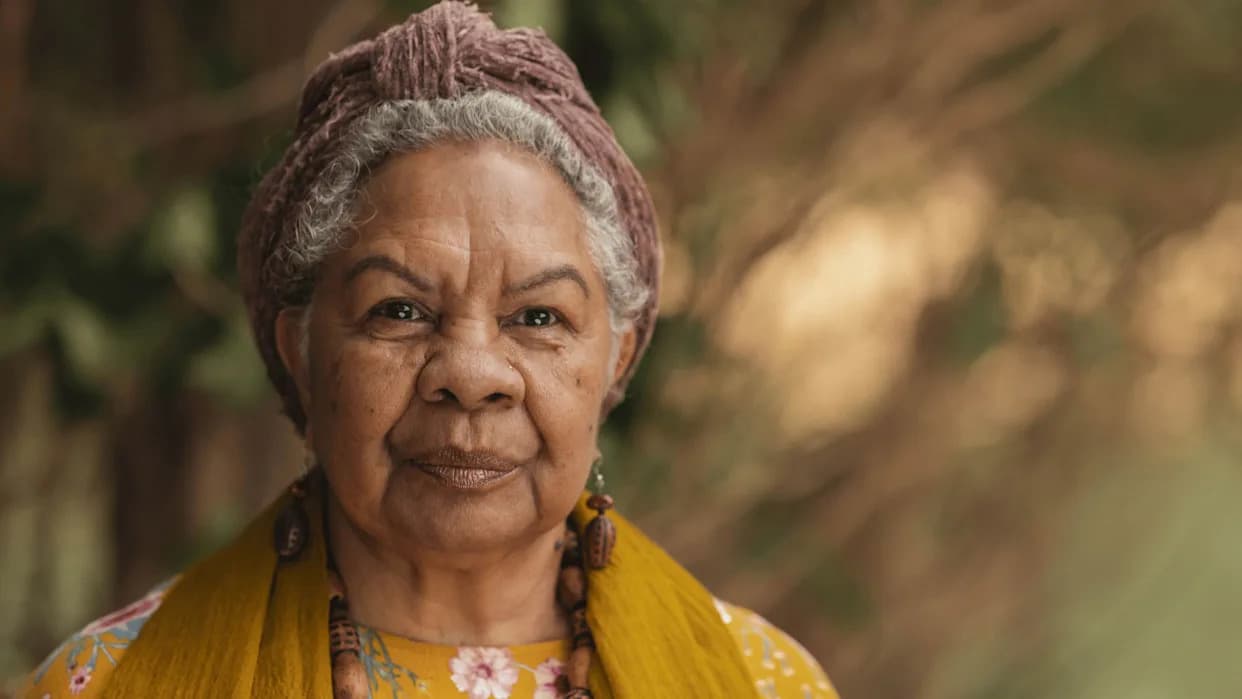
Prof Anne Poelina, an Indigenous woman from the Kimberley region in Western Australia, is part of the group [Rebecca Parker]
A group of ten Australians has lodged a complaint with the United Nations Human Rights Committee, alleging the Australian government’s continued approval and support of coal and gas exports violates their human rights. They say extreme weather events—including bushfires, floods, heatwaves, rising sea levels and toxic algal blooms—have damaged their lives and communities, and that the government’s backing of fossil fuel companies is a key cause.
What the Claim Says
The petition asks the UN Human Rights Committee to declare it unlawful for Australia to approve and subsidise coal and gas exports without credible plans to protect people from dangerous climate impacts. The claim follows a landmark 2025 ruling by the International Court of Justice that states can be held accountable for climate change. Any finding by the Committee would not be legally binding, but it would carry strong international pressure and reputational consequences for Australia, one of the world’s largest coal and gas exporters.
Voices From Those Affected
Dr Barry Traill, a wildlife ecologist and volunteer firefighter, is one of the ten claimants. He recalled losing several friends in the 2009 Black Saturday bushfires and said the experience made clear that "the old rules around fires and survival no longer applied." Traill also fought during the 2019 Black Summer fires and says he has seen firsthand that climate change is already killing people and damaging landscapes and communities.
"It is already killing people and hurting lives, landscapes and communities across Australia," Traill said. "Continuing to allow coal and gas companies to increase pollution, while people face worsening disasters, is a profound failure of responsibility."
Brendon Donohue, who lives with blindness and mobility challenges, described being trapped inside his Brisbane apartment for ten days during 2022 floods after lifts and exits became unusable when the building lost power. He explained how climate impacts disproportionately affect people with disabilities and can make everyday life far more dangerous.
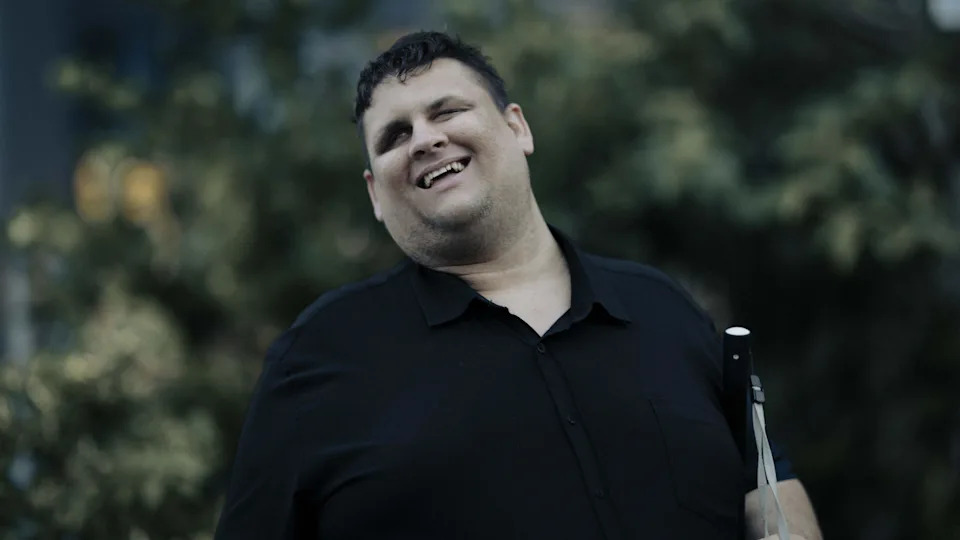
Brendon Donohue was trapped in his Brisbane apartment for 10 days due to floods in 2022 [Rebecca Parker]
Professor Anne Poelina, an Indigenous leader from the Kimberley region of Western Australia, says catastrophic flooding forced communities to leave areas around the Fitzroy River. She highlighted the risk of intergenerational cultural loss because so much Indigenous knowledge is passed down on Country rather than in written form.
Legal And Political Context
Hannah White, senior lawyer at Environmental Justice Australia, said the complaint emphasizes that "climate harm caused by Australia’s coal and gas doesn’t stop at a border, and neither does Australia’s responsibility for it." The action asks the UN to find that approving and subsidising exports without a plan to protect people from dangerous climate change is inconsistent with human rights obligations.
Last July, the International Court of Justice ruled that states can sue one another over climate change, including for historic greenhouse-gas emissions. While the UN Human Rights Committee’s decisions are not directly enforceable like domestic court orders, they can prompt international scrutiny, diplomatic pressure, and influence domestic policy debates.
The BBC has contacted Environment Minister Murray Watt for comment.
Help us improve.