The International Atomic Energy Agency (IAEA) and the U.N. food agency have launched a $1 million research project to help contain a resurging screwworm outbreak across the Americas and to address a critical shortage of sterile flies needed for emergency response, the agencies said on Friday.
Outbreak and Risk
The pest has re-emerged in Central America and Mexico and was confirmed this month in the United States — the first U.S. detection in more than 40 years. Screwworm infestations pose a serious threat to livestock, wildlife and pets, and the outbreak has contributed to beef prices approaching record highs.
How Screwworms Harm Animals
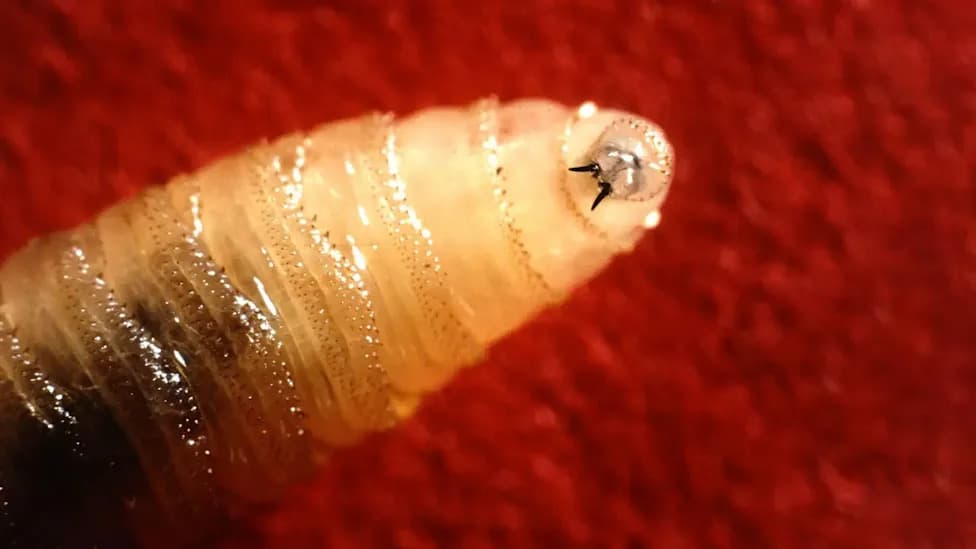
Female screwworm flies lay eggs in wounds on any warm-blooded animal. When the eggs hatch, larvae burrow into and consume living flesh; untreated cases can be fatal for the host animal.
Response Strategy: The Sterile Insect Technique
Authorities said the most effective method to suppress the outbreak is the sterile insect technique: mass releases of male flies sterilized with radiation. These sterile males mate with wild females but produce no offspring, gradually reducing the wild population.
Emergency operations could require as many as 600 million sterile flies per week. The only currently operational production facility, in Panama, produces roughly 100 million sterile flies weekly. Planned capacity expansions in Metapa de Dominguez, Mexico, and Mission, Texas, could add about 400 million sterile flies per week in the coming years.
The agencies noted that the sterile insect technique played a central role in a previous campaign that successfully eradicated screwworm from the United States, Mexico and Central America.
Reporting: Sybille de La Hamaide. Editing: Jan Harvey.