Marine heat waves since 2023 have produced the worst global coral bleaching on record, impacting over 80% of reefs. Researchers led by Anne Cohen have identified rare heat‑tolerant "super reefs" near Majuro, Marshall Islands, and are using modeling, sensors, robotic imaging, AI and genetic testing to learn why. Local conservation programs and a proposed "super reef blue corridor" aim to protect and connect resilient sites before pollution and other threats can damage them.
Amid Record Bleaching, Scientists Discover Heat‑Tolerant “Super Reefs” Near Majuro
Photo Credit: iStock
Marine heat waves since 2023 have caused unprecedented coral bleaching across the tropics, leaving many reefs ghostly white. Yet researchers working in the Marshall Islands have identified a handful of rare, heat‑resilient reef sites that appear to be holding steady — and they are racing to understand why.
Why Bleaching Matters
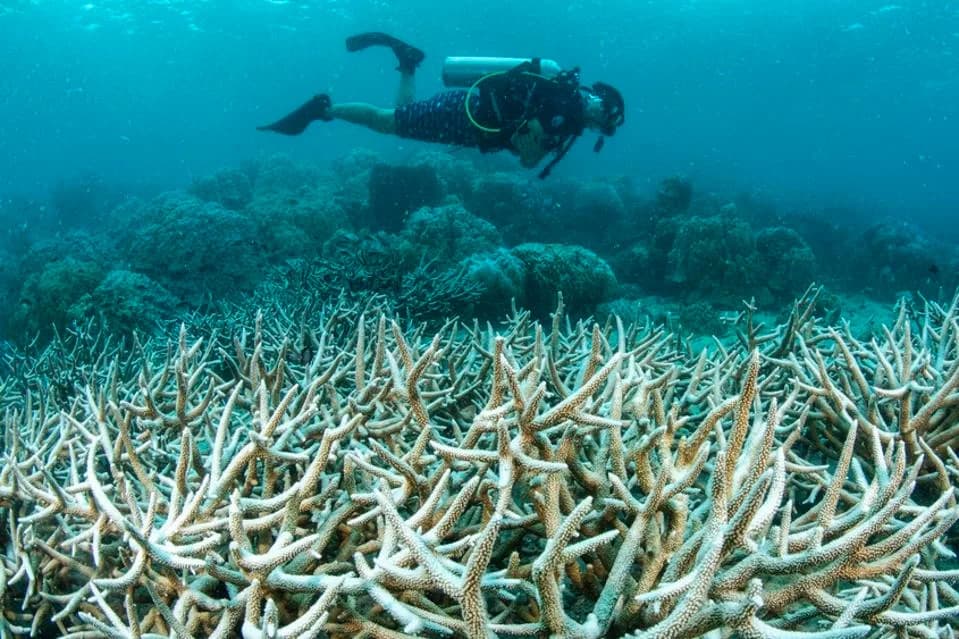
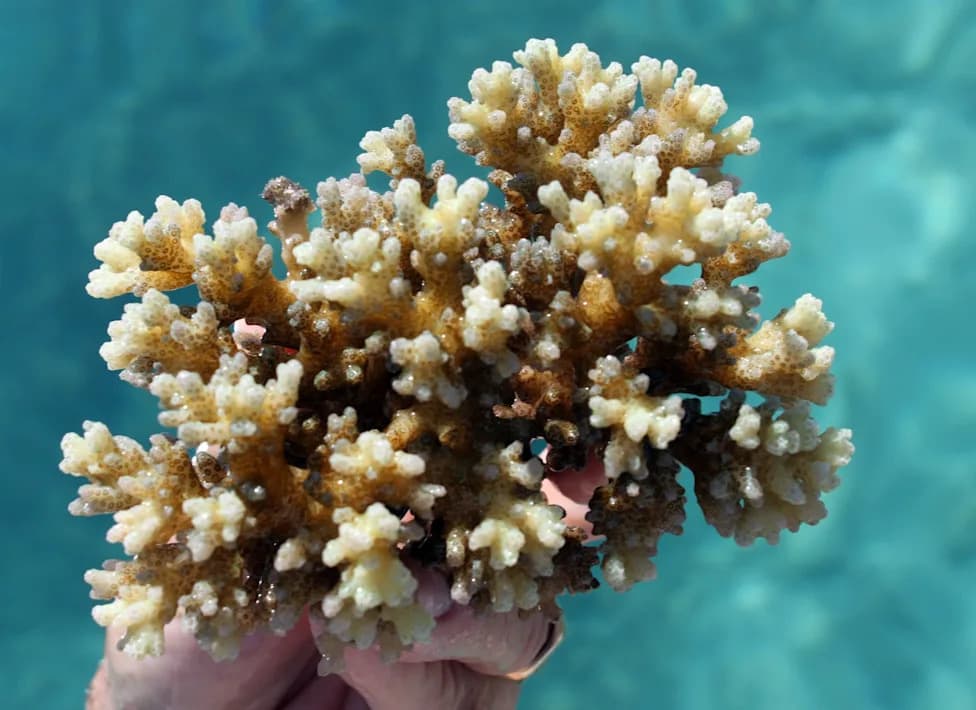
Corals depend on microscopic algae living in their tissues for much of their color and primary nourishment. When water temperatures rise for prolonged periods, corals expel those algae and bleach. Scientists say the event that began in 2023 has affected more than 80% of the world’s reefs across at least 83 countries and territories, making it the worst bleaching event on record.
Finding 'Super Reefs' in the Marshall Islands
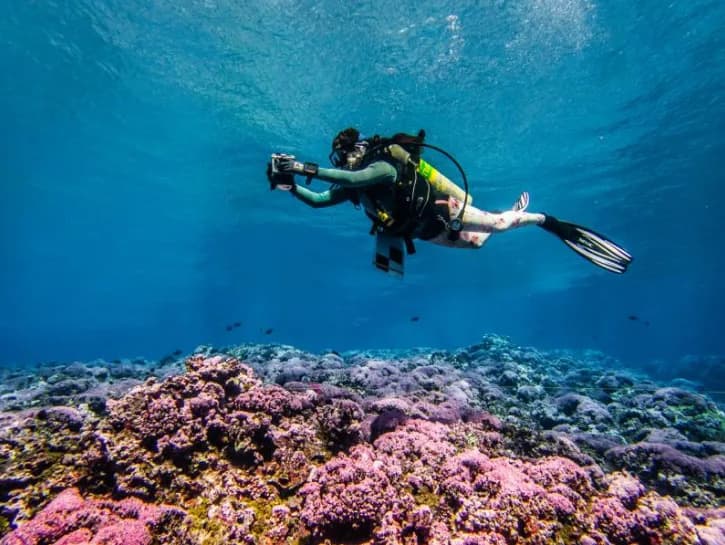
Anne Cohen, a tenured scientist at the Woods Hole Oceanographic Institution, has long searched for so‑called "super reefs" — coral communities that can withstand higher temperatures. In Majuro lagoon, Cohen’s team combined computer modeling, underwater temperature sensors, and controlled heat‑stress tests on coral fragments to locate pockets of resilience.
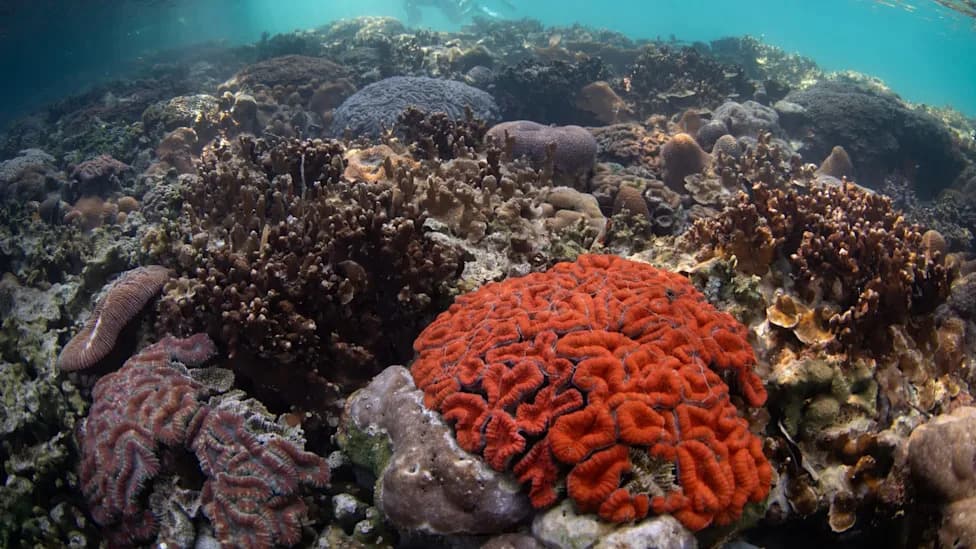
One area near the Majuro neighborhood of Laura stood out. "We saw these corals that were behaving as if there was no heat wave at all," Cohen said.
Local Stakes Are High
Reef loss in the Marshall Islands is not only an ecological concern. Coral ecosystems sustain fisheries, protect shorelines, and help build the islands themselves. "Everything that you see, all the sand, all the land, is all made of coral. We wouldn't be here without it," Cohen noted. A 2021 World Bank analysis estimates that rising seas threaten roughly 40% of Majuro’s existing buildings. For many Marshallese families, healthy reefs are closely tied to food security and livelihoods.
Dua Rudolph, deputy director of the Marshall Islands Conservation Society: "When the reef leaves, the fish leave also. People are going to start going hungry."
Tools, Techniques, And Protection Plans
To map and monitor reefs beyond typical diver limits, Cohen’s team has deployed a robotic surface vehicle called Yellowfin, capable of collecting up to 20,000 images across roughly 40 miles in a single day. Those images are analyzed with artificial intelligence and integrated into 3D reef models to track which corals bleach, which recover, and which remain healthy during heat waves. Teams are also collecting coral samples for genetic testing to identify traits that might confer heat tolerance.
Locally, findings are shared through Reimaanlok, a community‑led conservation process. Cohen is also developing a proposal for a "super reef blue corridor" to connect protected reefs across the Marshall Islands, Kiribati, and Tuvalu so that heat‑tolerant corals could help reseed degraded reefs across the region.
Urgency And Next Steps
Scientists warn that without major intervention, more than 90% of tropical reefs could be lost within the next 25 years. Researchers emphasize the need to identify and protect resilient reefs quickly, before human pressures such as pollution, dredging, anchor damage, and overfishing undermine their survival.
Reporting note: This reporting is based on coverage by Inside Climate News and includes findings and quotes from researchers at the Woods Hole Oceanographic Institution and local Marshall Islands conservation leaders.
Help us improve.