California will end mandatory boat inspections and decontamination at Lake Oroville, Thermalito Forebay, and Thermalito Afterbay despite no confirmed golden mussels at Oroville. State officials say a new risk assessment shows lower vulnerability due to colder deep water and lower nutrients and are shifting responsibility to boaters to clean, drain, and dry vessels. Scientists warn the rollback could increase the risk that mussels reach critical water and power infrastructure, with major economic and environmental consequences.
California Ends Mandatory Boat Inspections at Lake Oroville Despite No Confirmed Golden Mussels — Experts Warn
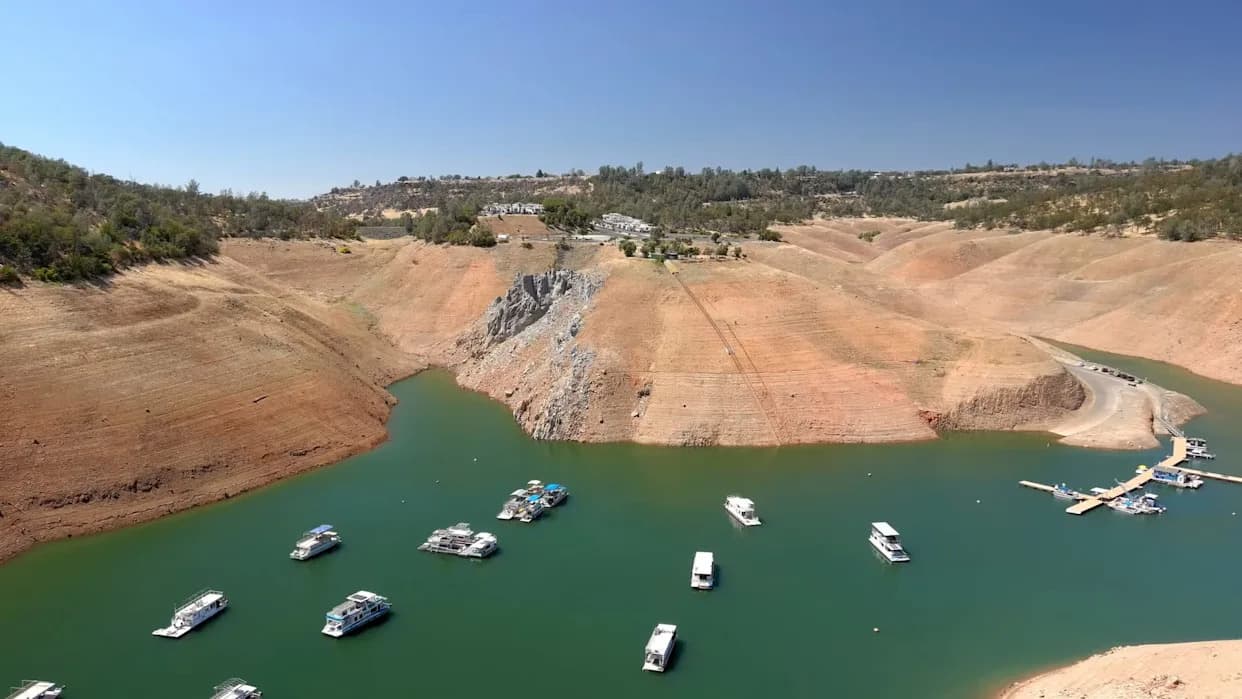
Photo Credit: iStock
California is rolling back mandatory boat inspections and decontamination at Lake Oroville, Thermalito Forebay, and Thermalito Afterbay despite no confirmed detection of invasive golden mussels at Oroville. Officials say a new risk assessment shows the reservoir is less vulnerable than previously thought, but some ecologists warn the move could increase the chance the mussels reach crucial water and power infrastructure.
Why Officials Are Changing Course
The Department of Water Resources (DWR) cited a recent risk assessment that points to factors likely to limit a severe golden mussel infestation at Oroville: colder deep-water temperatures, lower nutrient levels, and shoreline conditions that reduce habitat suitability. The DWR also noted the inspection program was costly to operate.
Costs and Alternatives
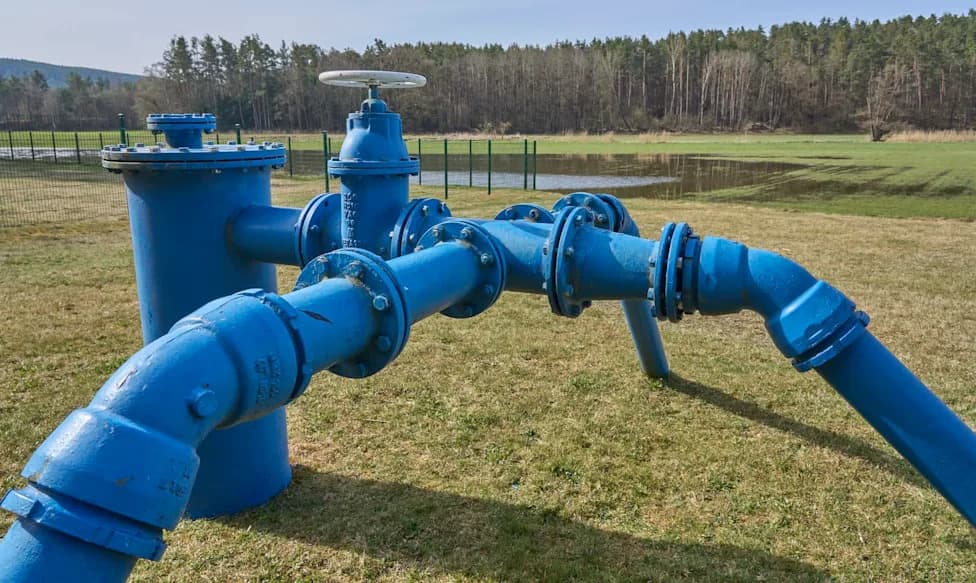
CalMatters reported the Oroville inspection program cost roughly $7.5 million to launch and about $6.5 million per year to operate. The state also estimated ultraviolet (UV) treatment for pipes at downstream power plants would cost about $1 million. Rather than continuing mandatory pre-launch inspections at Oroville, officials say they will shift responsibility to boat owners to clean, drain and dry vessels after visiting infested waters.
Concerns From Scientists and Managers
Golden mussels were first confirmed in the Sacramento–San Joaquin River Delta in October 2024 — the first known detection of this species in North America. The mollusks spread rapidly through connected waterways, clog intake systems, and have damaged dams, hydropower facilities, and other infrastructure in locations where they established.
“California is under an epidemic of golden mussels. Like in any epidemic, you’ve got to control the key hubs — or else the war is lost,”
said Anthony Ricciardi of McGill University in comments to CalMatters, stressing that scaling back prevention at a major hub like Oroville could increase the odds of wider spread.
What Will Change and What Could Happen Next
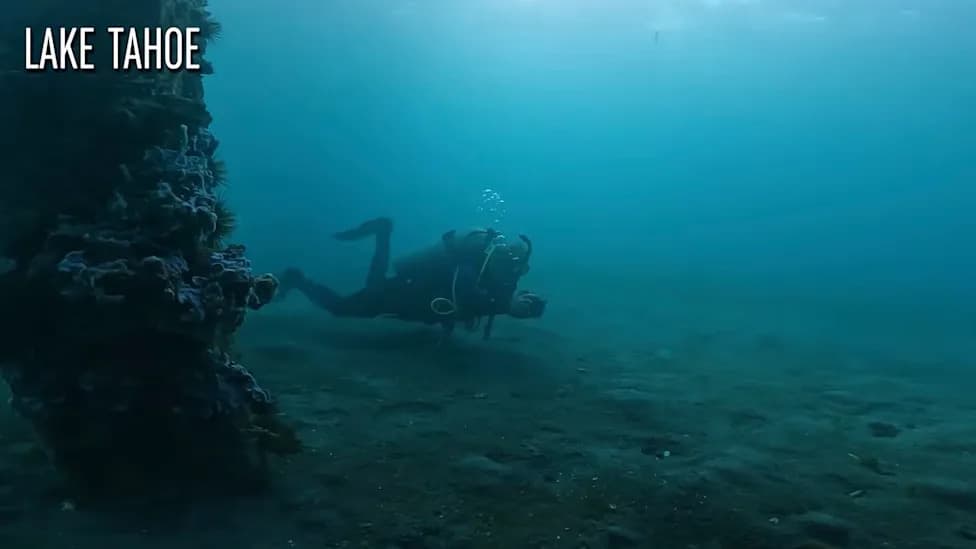
State officials say inspections would resume if mussels are detected at Oroville, and they note that exit inspections are already used at some infested lakes such as Castaic and Pyramid. Several Northern California reservoirs — including Folsom, Tahoe, and Berryessa — plan to keep their own inspection programs in place.
What Boaters Should Do
Officials urge boaters to follow best practices: inspect trailers and gear, remove aquatic plants, drain water from live wells and bilges, and allow boats and equipment to dry completely before moving between water bodies. These steps reduce, but do not eliminate, the risk of transporting mussels.
Why This Matters
Lake Oroville is more than a recreation area: it is a critical part of California’s water delivery and energy system. If invasive mussels become established there, impacts could ripple across water delivery systems, hydropower generation, hatcheries, recreation, local tourism, and ultimately taxpayers and ratepayers who fund infrastructure repairs and prevention programs.
Bottom line: Officials are shifting strategy from mandatory inspections to increased boater responsibility and contingency inspections if mussels are found. Experts caution that the change could leave a major hub vulnerable and potentially accelerate the spread if a detection occurs.
Help us improve.