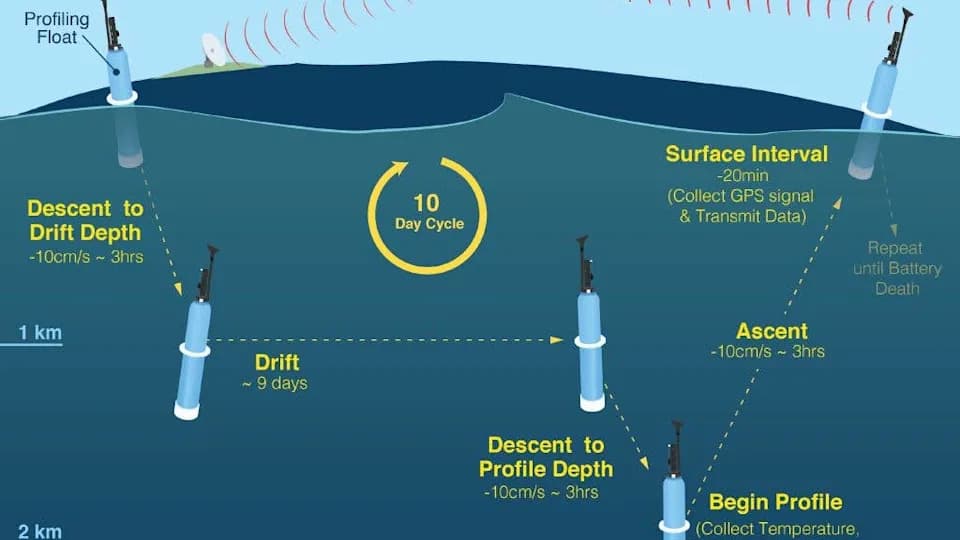
Scientists warn that a proposed $1.3 billion cut to NOAA — about one-third of the agency’s budget — could jeopardize Great Lakes research and the real-time observation systems that track lake levels, ice, waves, water temperature, and algal blooms. Programs such as the Cooperative Institute for Great Lakes Research (CIGLR) and the Great Lakes Observing System (GLOS) would be disproportionately affected. The House has proposed higher funding, including an 18% boost for regional networks, but NOAA’s final funding remains uncertain and staffing losses could take years to reverse.
Trump Budget’s $1.3B NOAA Cut Could Erase Critical Great Lakes Monitoring
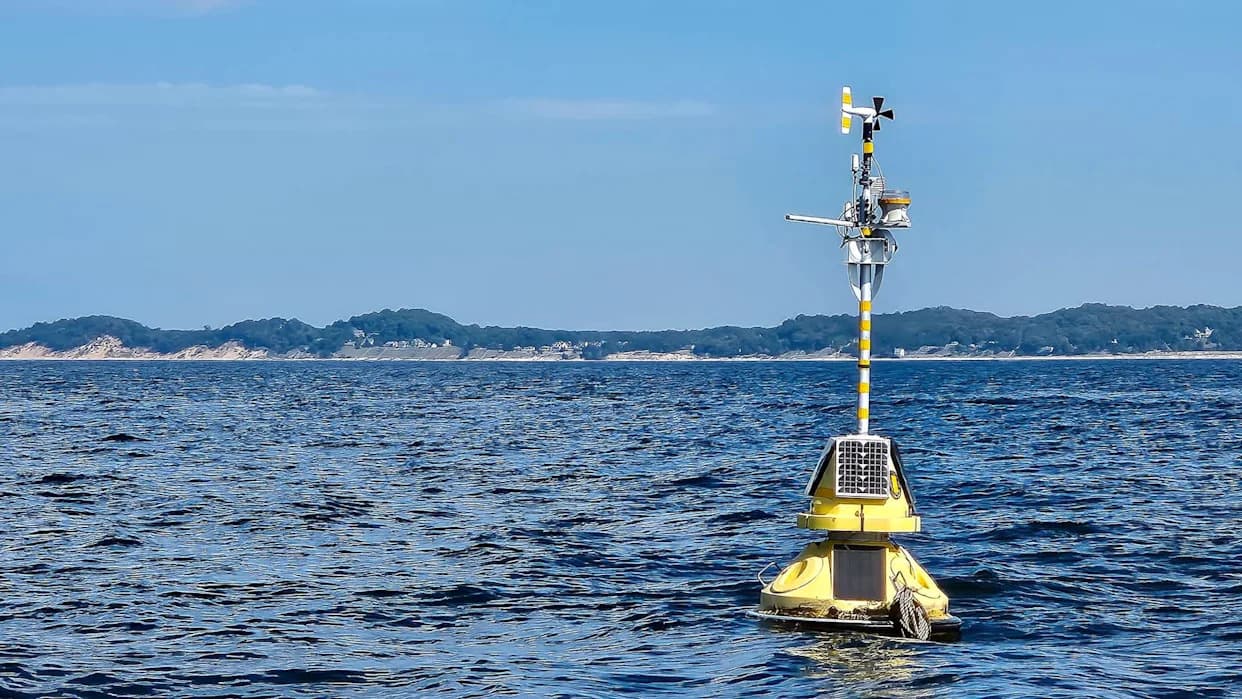
Photo Credit: iStock
A proposed $1.3 billion reduction to the National Oceanic and Atmospheric Administration (NOAA) — roughly one-third of the agency’s budget — could sharply curtail research and real-time monitoring across the Great Lakes, scientists warn. Those programs supply data communities rely on for weather forecasts, wave and ice conditions, water-quality alerts, and maritime safety.
What Would Be Affected
Programs at risk include the Cooperative Institute for Great Lakes Research (CIGLR), a University of Michigan–NOAA partnership that tracks lake levels, ice cover, and harmful algal blooms, and the Great Lakes Observing System (GLOS), one of NOAA’s 11 regional observation networks that provides real-time measurements of wave height, water temperature, wind and ice conditions.
Who Uses This Data
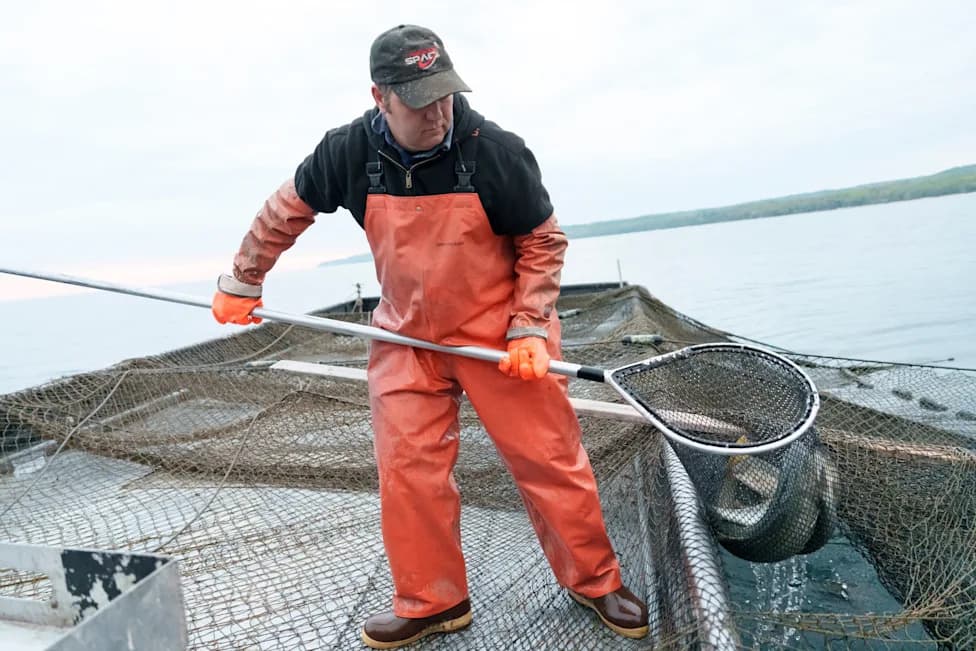
Local residents, recreational users, commercial shippers, fishers, and state resource managers rely on these data every day to make safety decisions and plan operations. Information from these networks helps determine when beaches are safe, when surf or wind conditions are hazardous, and whether algal blooms pose a health risk to people and pets.
"The investment that we make pays off in terms of safer water, public safety, public health, as well as economic activity," Gregory Dick, director of CIGLR, told reporters.
"If you want to visit a beach, if you want to take your dog and let it run in the lake, it's really important to know beforehand if there's a bloom there or dangerous surf conditions," said GLOS CEO Jennifer Boehme.
Economic, Safety, and Planning Consequences
Beyond recreation and safety, observational data support commercial shipping, recreational and commercial fisheries, and state-level resource planning. Cuts that limit continuous monitoring would increase uncertainty for workers and businesses that depend on predictable lake conditions and could hinder infrastructure and public-safety planning as climate-driven impacts and shifting lake levels accelerate.
Budget Process and Current Signals from Congress
The administration’s proposal is not final: Congress controls federal appropriations. Earlier this year the House Appropriations Committee approved a bill that would supply NOAA with about $1.3 billion more than the administration requested, and would provide an estimated 18% increase for regional networks such as GLOS — though NOAA’s total funding under that House proposal would remain roughly $300 million below last year’s level. The Senate has not completed its appropriations work.
Scientists also say the uncertainty itself is damaging. Grist reported that the Great Lakes Environmental Research Laboratory (GLERL), which houses CIGLR, saw about a 40% reduction in staff last year through layoffs and early retirements.
"Each lapse makes the next one worse, and rebuilding isn't just a matter of writing another check," Boehme warned. "The relationships and the seasonal schedules that make the network function can take years to reconstruct."
As Congress considers final funding levels, communities and industries across the Great Lakes region are watching closely: sustained investment in monitoring and science directly informs public safety, economic activity, and long-term planning.
Help us improve.