Greenland has seen localised wildfires unusually early in June, a development researchers say is likely linked to Arctic warming and the current El Niño. Satellite analysis found no vegetation fires before 2008; 21 were recorded between 2008 and 2020, mostly in July–August. Recent blazes in western Greenland were quickly extinguished with no injuries, and local authorities urged using only designated spots for campfires.
Unusually Early Wildfires Break Out in Greenland — Arctic Warming and El Niño Blamed
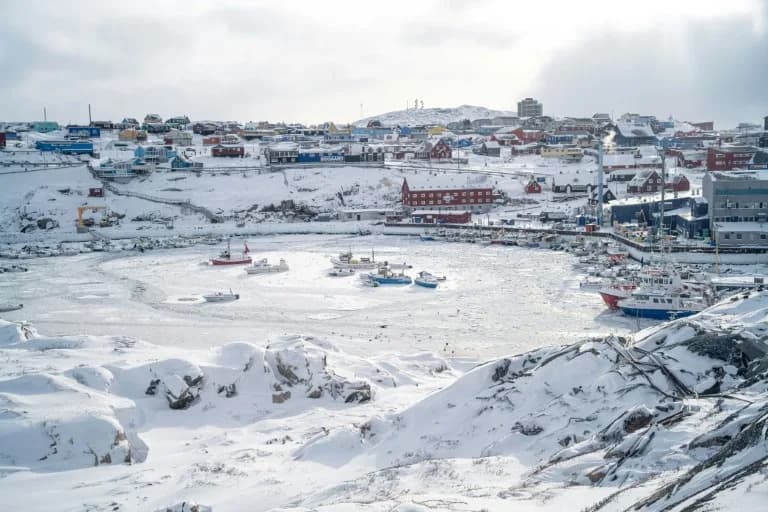
Greenland is better known for its wintry ice-covered landscapes, but researchers warn that climate change means summer fires are becoming more common (Florent VERGNES)(Florent VERGNES/AFP/AFP)
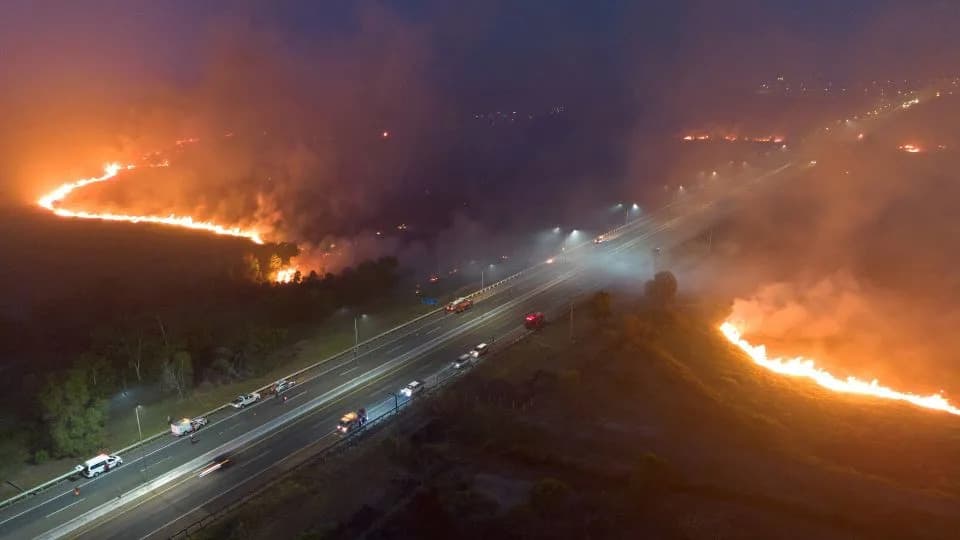
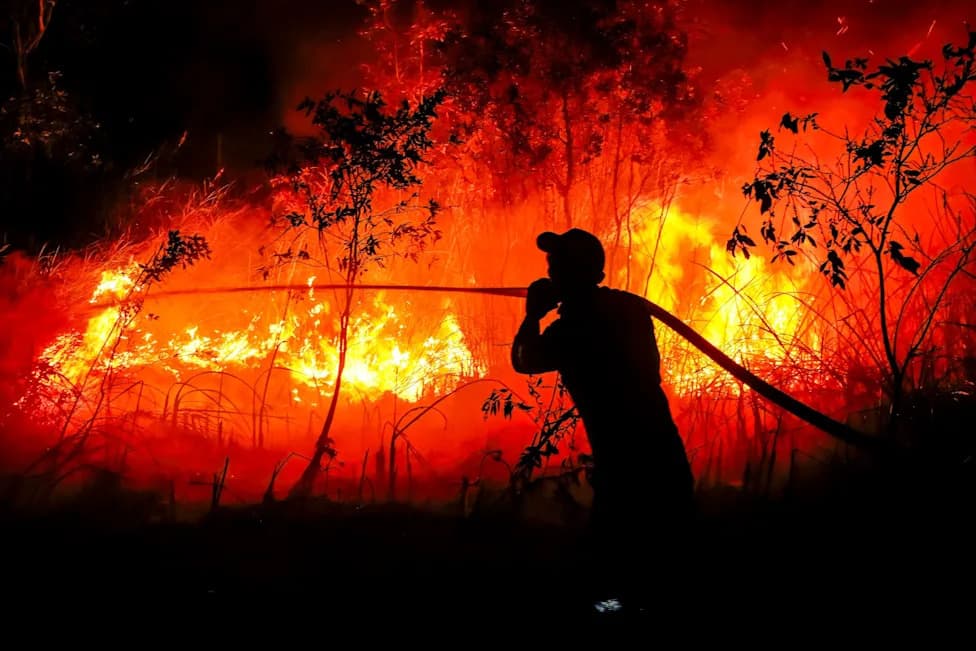
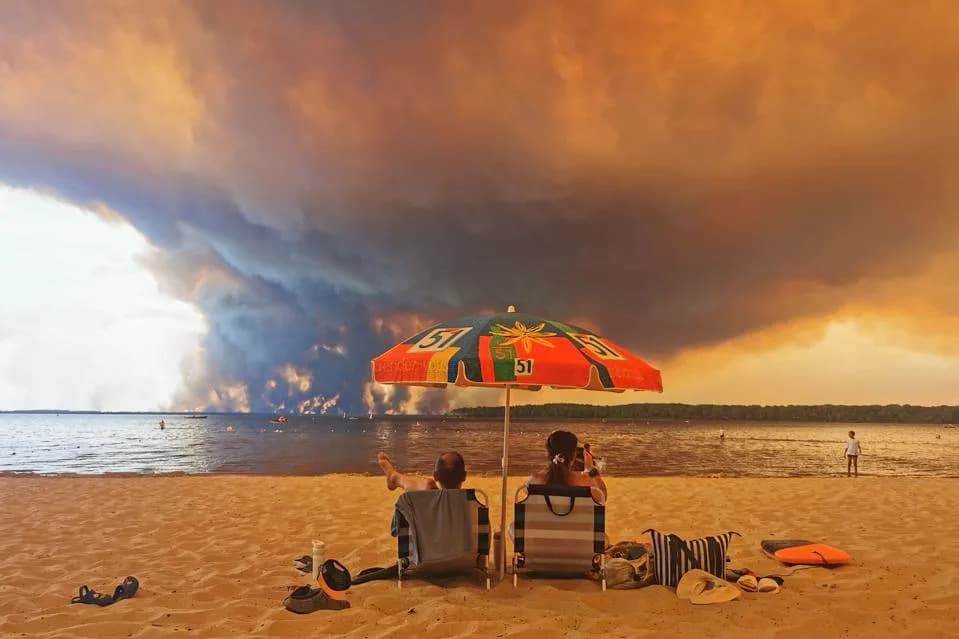
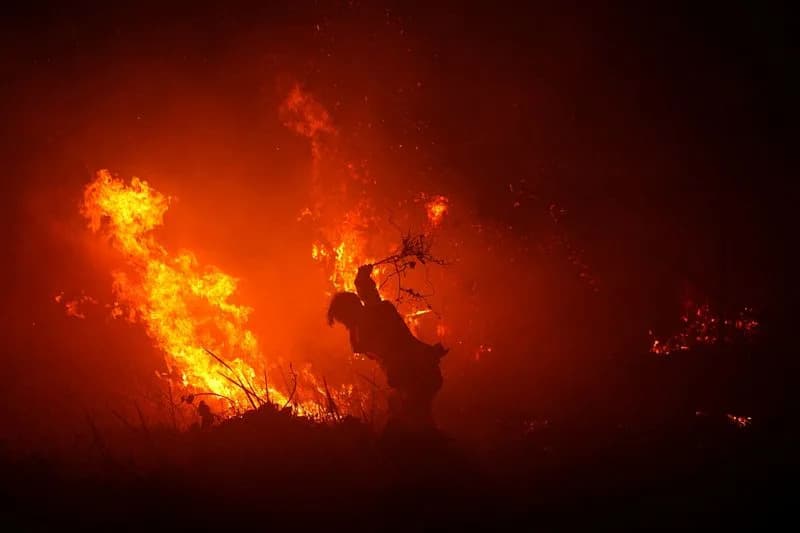
Localised wildfires have broken out in Greenland unusually early in the season, prompting concern from researchers at the Greenland Institute of Natural Resources.
"It is rare for such fires to occur as early as June, and it is reasonable to think that overall climate change, particularly the warming of the Arctic, as well as the current El Niño effect, are to blame,"said Karl Brix Zinglersen, head of the institute's Department of Environment and Minerals, in comments to AFP.
Zinglersen noted that vegetation fires are a relatively new phenomenon in Greenland. Satellite reviews found no trace of vegetation fires in Greenland before 2008. After that year the frequency increased: between 2008 and 2020, researchers recorded 21 vegetation fires, almost all occurring during warm, dry periods in July and August.
By contrast, fires beginning as early as June are still uncommon. Most of the recent outbreaks occurred in western Greenland, where an extended spell of sunny weather and low precipitation has dried tundra vegetation, making it more flammable.
The fire service for the Sermersooq municipality — which covers the capital, Nuuk, and surrounding areas — posted guidance on social media urging residents and visitors to light campfires and barbecues only in designated places to reduce the risk of accidental ignition.
Emergency services quickly extinguished the recent blazes, and authorities reported no injuries. Researchers say the combination of Arctic warming and the current El Niño pattern likely increases the risk of earlier and more frequent vegetation fires in parts of Greenland.
What To Watch
As Arctic regions warm, peat- and tundra-rich landscapes can dry and become susceptible to ignition. Officials recommend adhering to local fire-safety rules, avoiding open flames in dry conditions, and reporting any smoke or fire immediately to authorities.
Help us improve.