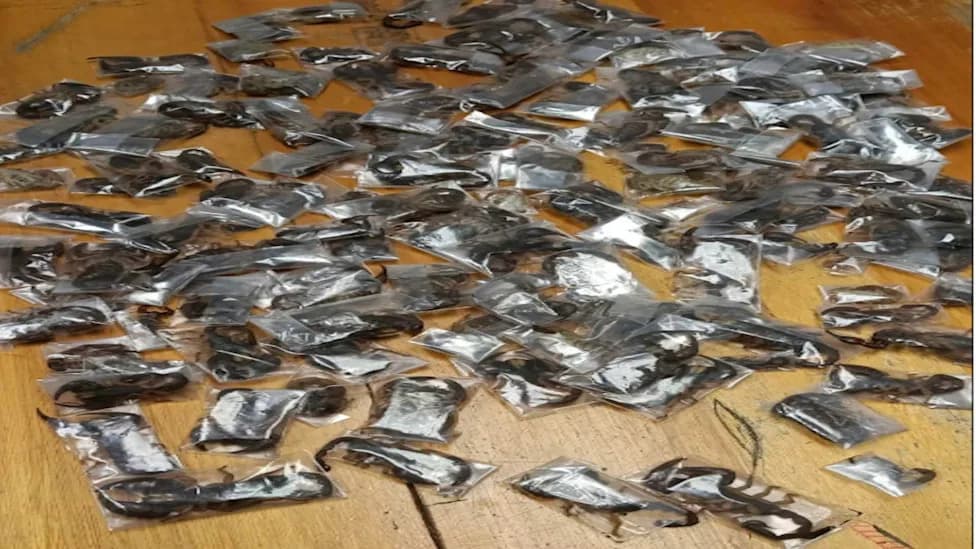
The discovery of 150 live venomous scorpions in a traveler's luggage at Cape Town Airport followed an intelligence-led operation that led to the arrest of a 28-year-old alleged wildlife trafficker, according to News24. No injuries to people or animals were reported, and the scorpions were moved to a secure facility for care. The suspect faces charges under the Nature and Environmental Conservation Ordinance and is due to appear at Bellville Magistrate's Court on Monday. The case underscores how wildlife trafficking — beyond high-profile trades like ivory — threatens biodiversity and is often linked to increased poaching.
Cape Town Airport Sting Uncovers 150 Live Venomous Scorpions Hidden in Luggage
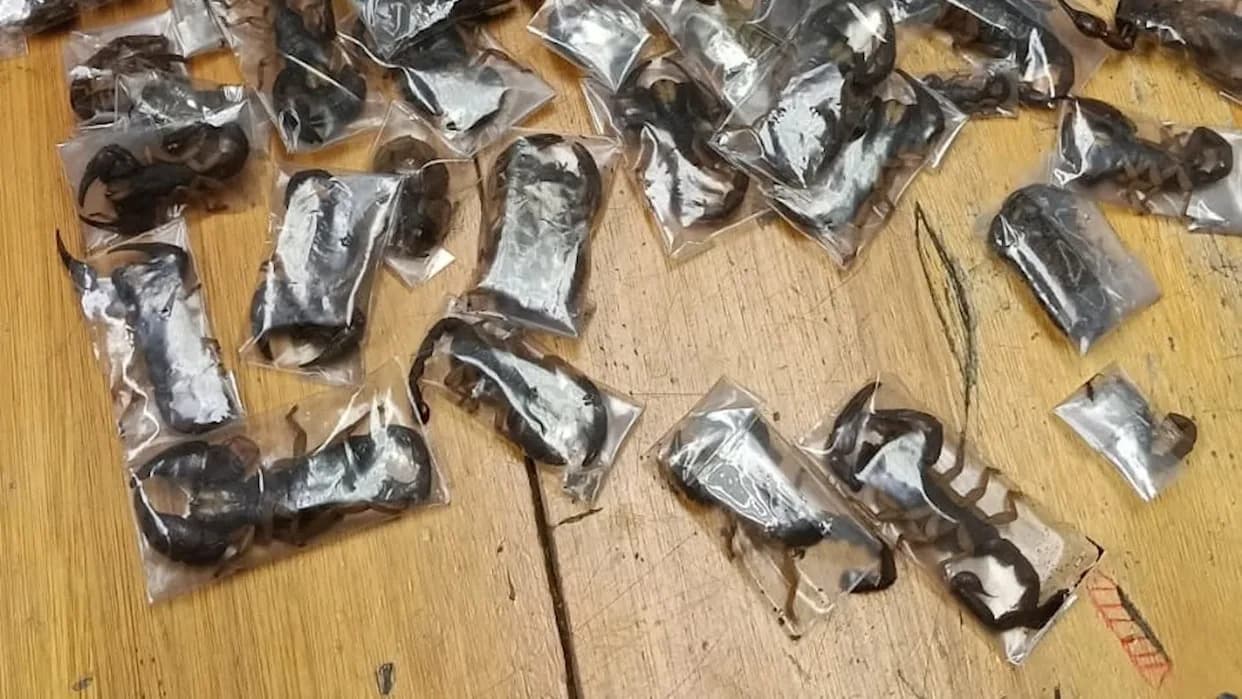
Photo Credit: South African Police Service
Airport authorities in Cape Town, South Africa, say an intelligence-led operation uncovered 150 live venomous scorpions concealed inside a traveler's luggage, resulting in an arrest, News24 reported.
Police identified the arrested suspect as a 28-year-old alleged wildlife trafficker. Authorities said the scorpions were tucked among his clothing inside the bag; their monetary value was not disclosed. Officials reported that no injuries occurred to people or animals during the discovery and arrest.
The South African Police Service's Endangered Species Unit led the operation with assistance from the Cape of Good Hope SPCA and CapeNature, according to News24. The suspect was arrested on allegations of unlawfully possessing wild animals under the Nature and Environmental Conservation Ordinance and is due to appear at the Bellville Magistrate's Court on Monday.
The scorpions have been moved to a secure facility while officials make arrangements for their care, handling and any necessary veterinary assessment.
Why This Matters
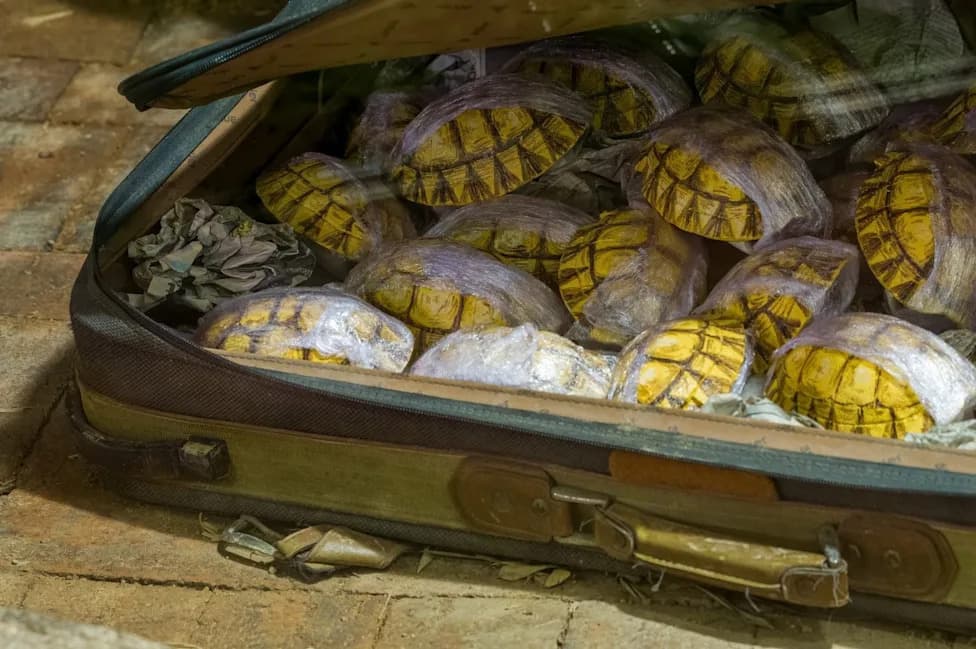
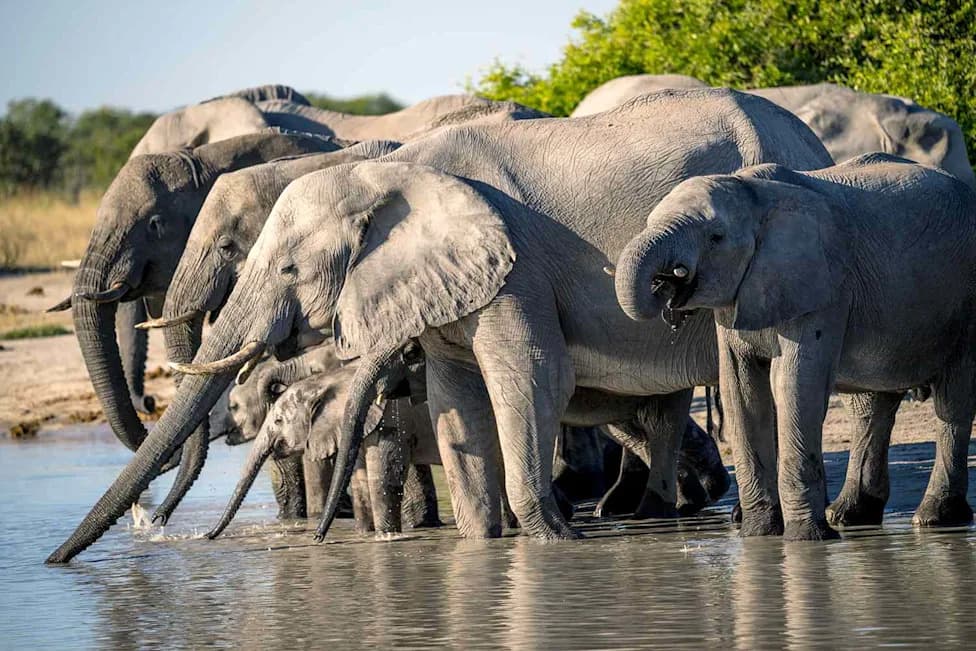
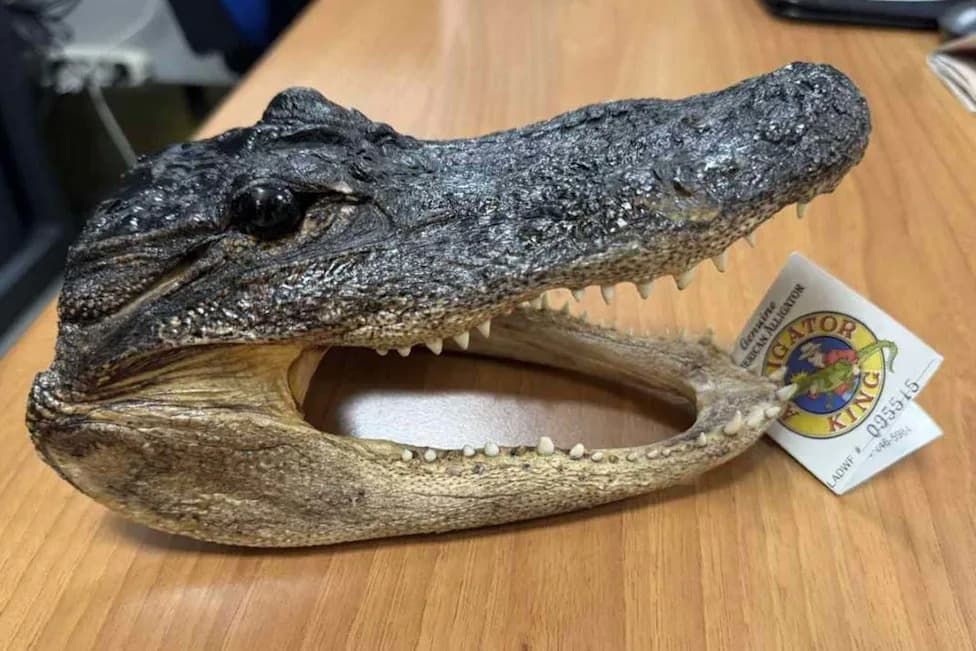
While high-profile wildlife crimes often involve ivory, exotic birds or large reptiles, this case highlights that trafficking can involve smaller, less conspicuous — yet dangerous — species. Wildlife trafficking is a global threat that compounds pressures from habitat loss, land-use change, international trade and climate change.
Trafficking frequently correlates with increased poaching: higher demand leads to greater extraction from wild populations. Scorpions play a practical ecological role, such as controlling insect populations, and removing large numbers can disrupt local biodiversity, especially when extraction outpaces an ecosystem's ability to recover.
What authorities say: The priority is the animals' welfare and ensuring any criminal charges proceed through the courts. Agencies involved will coordinate care for the scorpions and further investigation into the suspected trafficking network.
Authorities did not disclose the species of scorpions found. The investigation and any subsequent prosecutions will determine whether this was an isolated incident or part of a larger trafficking operation.
Help us improve.