The Mediterranean monk seal (Monachus monachus), one of the world’s rarest marine mammals, is retreating from beaches and visible caves into submerged "bubble" chambers to avoid tourist disturbance. A 2026 Oryx study documented a hidden 398-square-foot flooded chamber near Formicula, Greece, used by seals on 119 of 141 monitored days. The seals used the chamber mainly for resting, adopting behaviors such as "bottling," and researchers urge that submerged refuges be included in habitat surveys and conservation planning.
Tourism Pushes Rare Mediterranean Monk Seals Into Hidden “Bubble” Caves, Study Shows
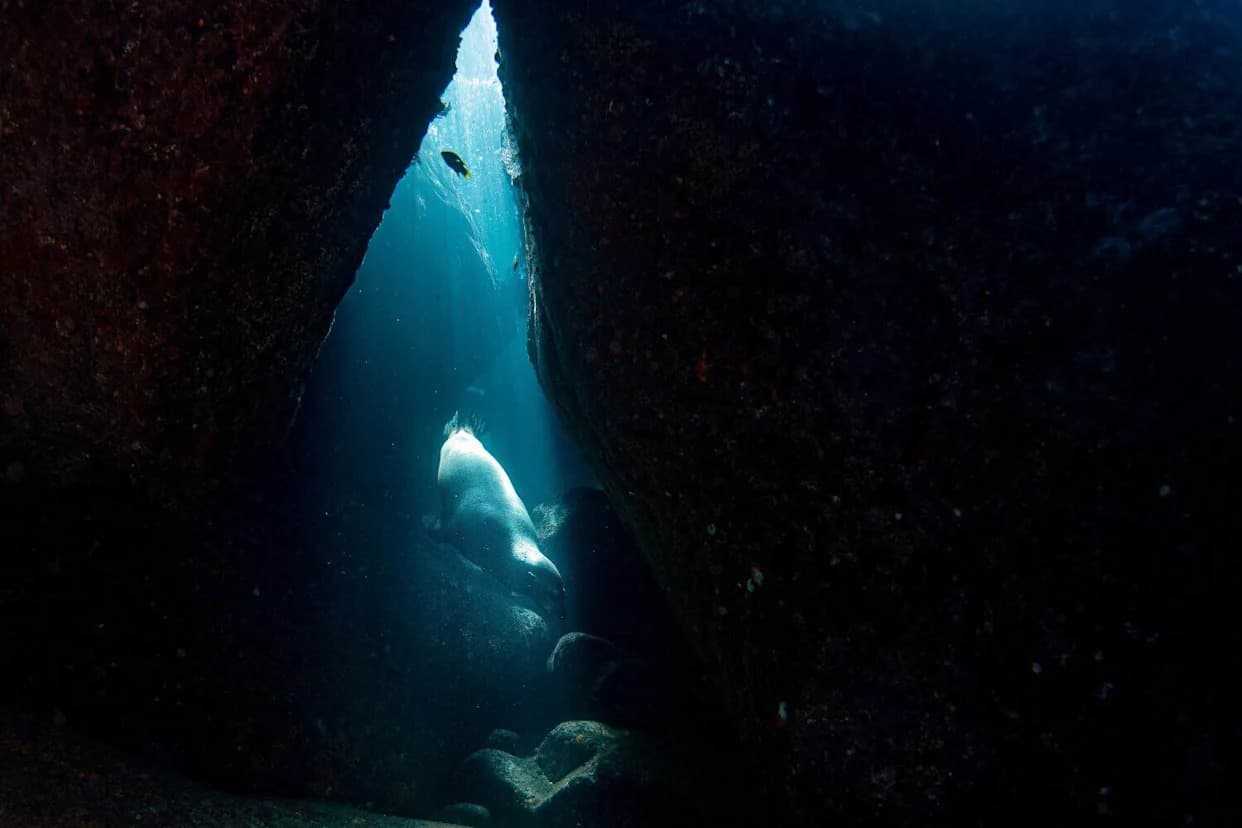
puppy sea lion seal coming to you underwater in cortez sea mexico© Andrea Izzotti/Shutterstock.com
Beneath the sunlit surface of the Mediterranean, one of the world’s rarest marine mammals is seeking refuge in places few people ever look. The Mediterranean monk seal (Monachus monachus) — estimated at just 700–900 individuals globally — has been driven away from open beaches and common sea caves by decades of coastal development and rising tourist pressure.
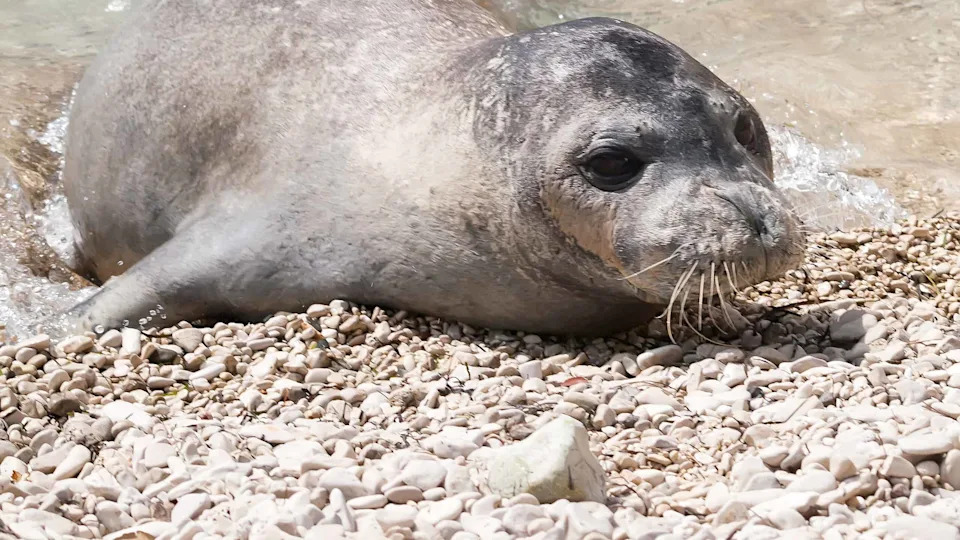
The Mediterranean monk seal is an endangered species.©iStock.com/sewer11
Researchers investigating a known monk seal cave near the uninhabited islet of Formicula in Greece’s Inner Ionian Sea Archipelago discovered a concealed secondary chamber connected to the main cave by a narrow, submerged passage just over one metre deep. This small, dome-shaped room — about 398 square feet — is completely flooded but capped by a trapped pocket of breathable air. Because both of its entrances are underwater, the team nicknamed it a "bubble cave."
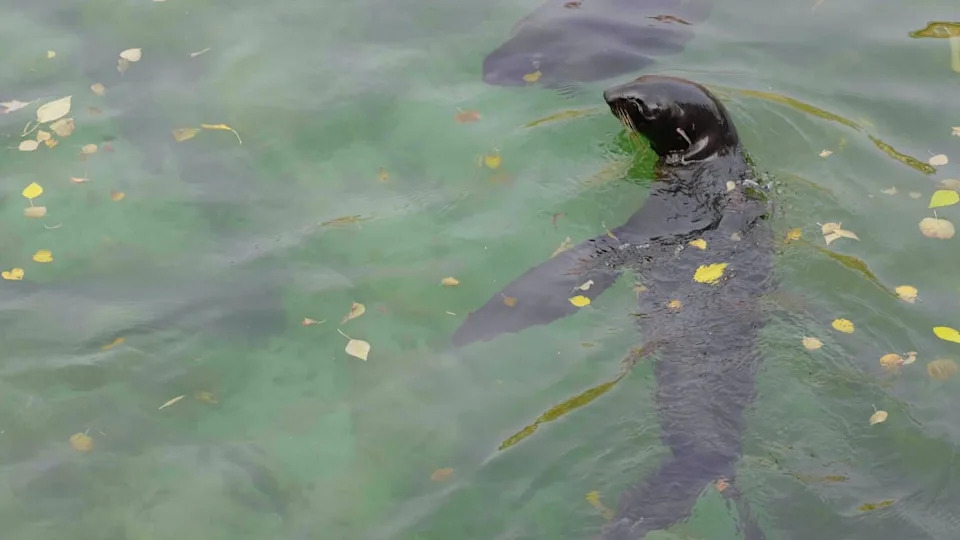
Newborn Mediterranean monk seal pups are dark brown or black.©aarrows/Shutterstock.com
Study Setup and Key Findings
A 2026 study published in Oryx used non-invasive cameras to monitor the main cave and the submerged corridor leading to the bubble cave for 141 days between 2020 and 2021. The cameras recorded thousands of images and many hours of footage.
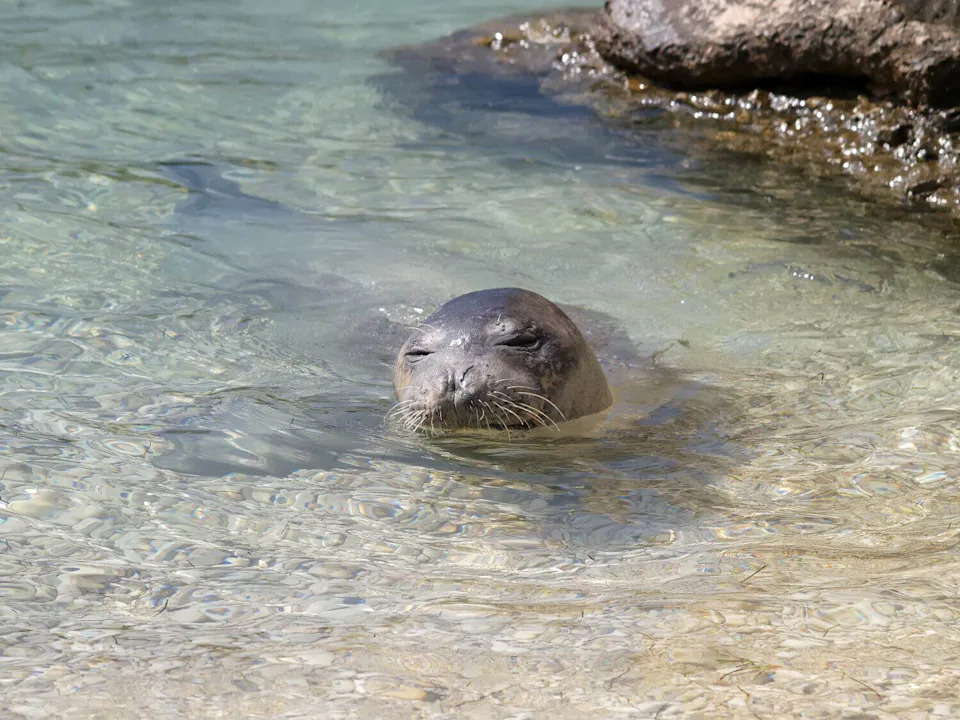
Adult Mediterranean monk seals can grow up to 7 to 9 feet long.©burnel1/Shutterstock.com
Surprisingly, seals used the bubble cave on 119 days (84% of the monitoring period) while the larger main cave with a dry beach was used on just 30 days. Footage showed that the bubble cave served mainly as a resting site rather than a breeding location. Individual seals and small groups (up to three animals) rested in the water under the trapped air pocket, some adopting a relaxed, partially submerged posture known as "bottling," while others slept motionless on the seafloor beneath the air pocket.
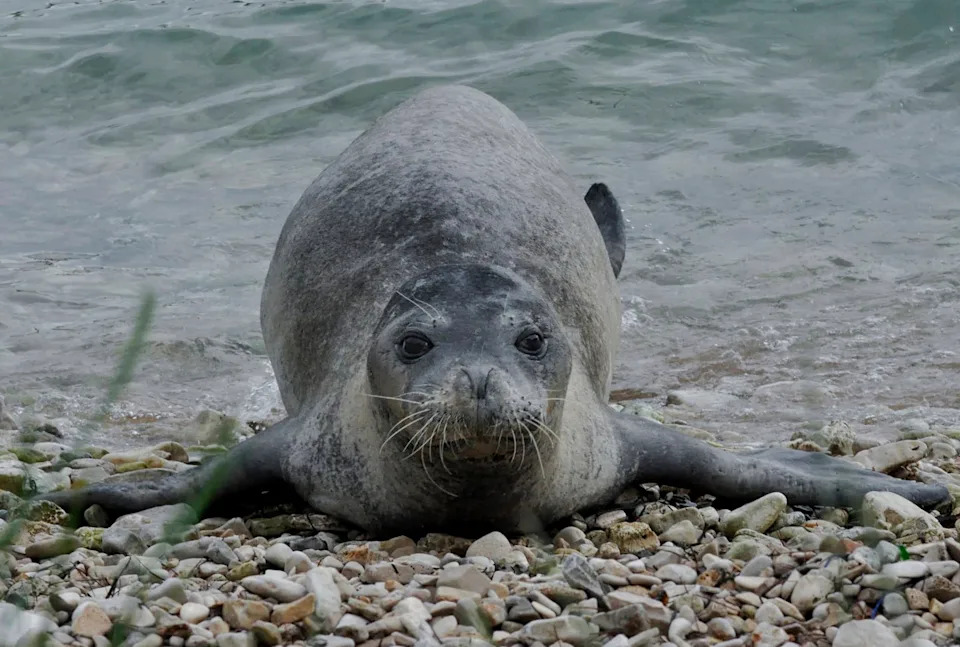
Mediterranean monk seals typically live 20 to 30 years.©Marinko Babić / CC BY-SA 4.0 / Wikimedia Commons –Original/License
Behavioral and Conservation Implications
These observations suggest seals are trading the physical comfort of dry haul-out areas for a critical advantage: reduced human disturbance. The researchers also documented a seasonal pattern — seals used open beaches more during low-tourism months and returned to hidden, submerged refuges as visitor numbers rose in summer.
Until now, habitat surveys and protection measures have focused mainly on beaches and caves with dry resting ledges. The Formicula discovery demonstrates that permanently submerged "bubble" caves can be vital refuges and therefore should be included in habitat assessments and conservation planning. Omitting such invisible refuges risks underestimating both available habitat and local seal numbers.
Protection Measures
Greece has already acted by establishing a 200-metre (656-foot) restricted-access zone around Formicula and expanding protections in key monk seal areas. Early reports suggest some seals have begun to return to open beaches within these protected zones, indicating that targeted management can help reduce disturbance and restore safer shore access for the species.
Bottom line: The study highlights how human recreation reshapes wildlife behaviour and underscores the need to reassess what counts as "critical habitat" for threatened marine mammals in heavily visited seas.
Help us improve.