Democratic socialist candidates are seeking to capitalize on voter frustration with both Donald Trump and establishment Democrats, arguing that economic strain and youthful openness to different ideas create a midterm opportunity. Polling shows growing receptivity to socialism, especially among voters under 30, and recent DSA primary wins signal momentum in liberal cities. Critics warn those gains may not translate in competitive states, while supporters say expanding the movement remains untested but potentially consequential.
Democratic Socialists See Momentum as Voter Fatigue Creates Midterm Opportunity
Democratic socialists think fatigue with mainstream could open paths in midterms
Democratic socialist candidates are betting that widespread frustration with both Donald Trump and establishment Democrats could open unexpected paths in this year’s midterms. Campaigns from Washington, D.C., to Wisconsin and Florida are using rising economic anxiety and younger voters’ openness to alternative ideas to press their case.
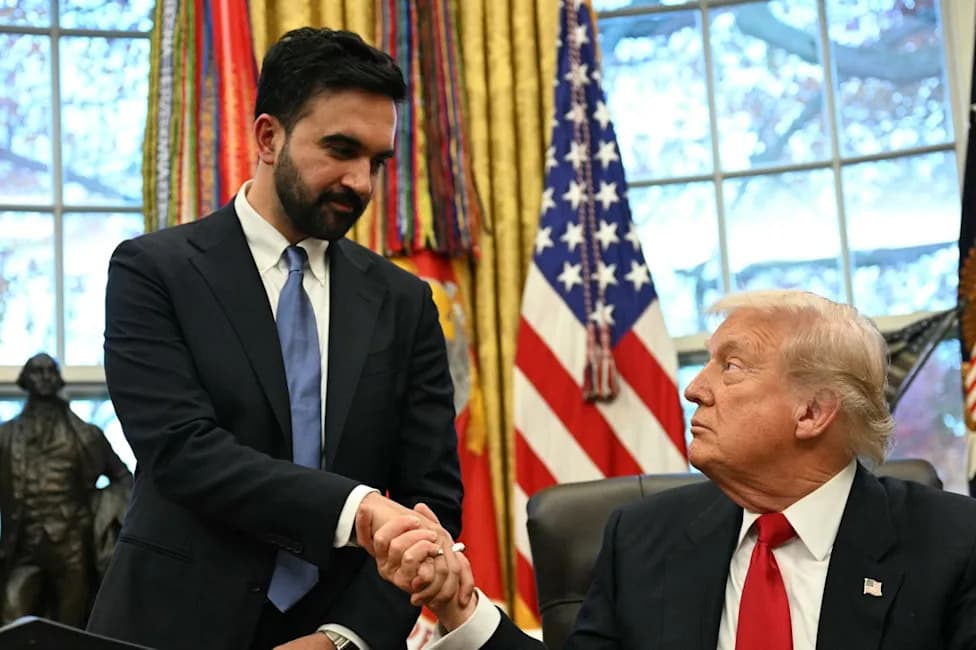
At the White House, reporters asked President Donald Trump how he would react if Janeese Lewis George won the D.C. mayoral primary. His response was blunt:
“I wouldn’t like it. Maybe we take back Washington and run it on a federal basis. We won’t put up with it.”
Janeese Lewis George, a D.C. Council member, is among several democratic socialists running nationwide who argue that voter fatigue with the status quo could push people to consider nonestablishment candidates. She has criticized local cooperation with Immigration and Customs Enforcement (ICE) and, according to a Washington Post–Schar School poll published this month, held a double-digit lead over former Council member Kenyan McDuffie in the D.C. contest.
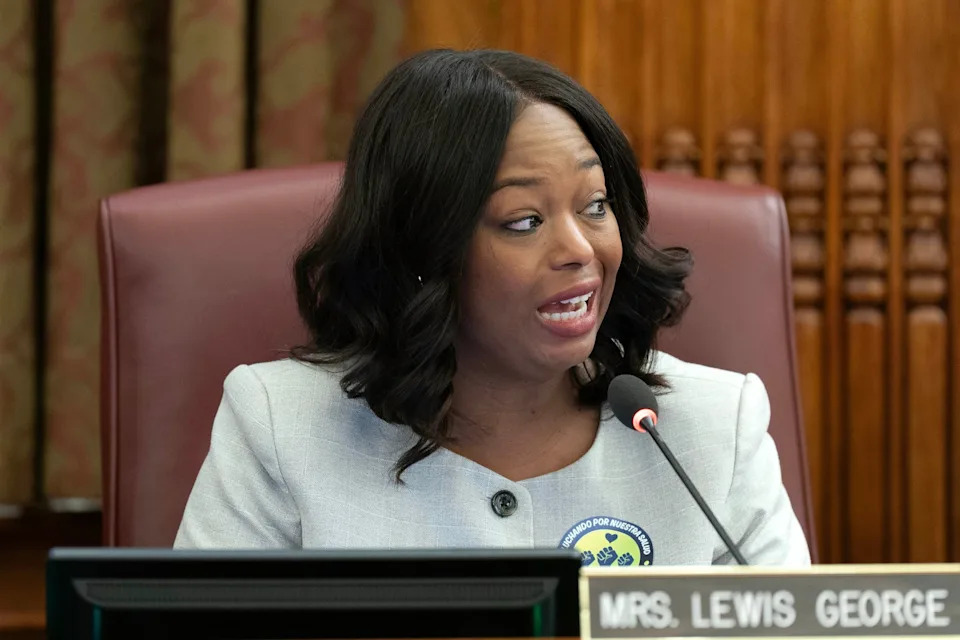
Jose Luis Magana/AP Photo - PHOTO: D.C. Council member Janeese Lewis George speaks during the D.C. Council hearing on the Fiscal Year 2027 budget at the Wilson Building, City Hall, June 9, 2026, in Washington.
Polling, Youth Support, And The Case For Change
A Fox News survey conducted in February and March found that 38% of voters think it would be good for the United States to move toward socialism — up six percentage points from 2022 and comparable to levels seen in 2018. The same poll reported that nearly half of respondents believe capitalism is working "not very well" or "not at all well," and that 53% of voters under 30 prefer socialism to capitalism.
Analysts disagree on what those numbers mean. Emily Ekins of the libertarian Cato Institute told ABC News that young people want affordable health care, more affordable housing and a fairer economy — but she cautioned that many may not fully understand what "socialism" means in practice. Francesca Hong, a democratic socialist running for governor of Wisconsin, said economic strain makes voters more open to candidates promising systemic change.
“I think we're showing there's a path,” Hong said. “But you have to engage new voters, bring in young voters, and talk about actually wanting to change the system, because it's not working for everyday people.”
DSA’s Rise, Setbacks And Recent Wins
The Democratic Socialists of America (DSA) gained wide attention in 2018 as members such as Alexandria Ocasio-Cortez and Ilhan Omar won House seats running as Democrats. Since then, DSA-aligned politicians have faced mixed results: Senator Bernie Sanders failed to capture the Democratic presidential nomination twice, and several DSA supporters, including Cori Bush and Jamaal Bowman, have lost congressional seats.
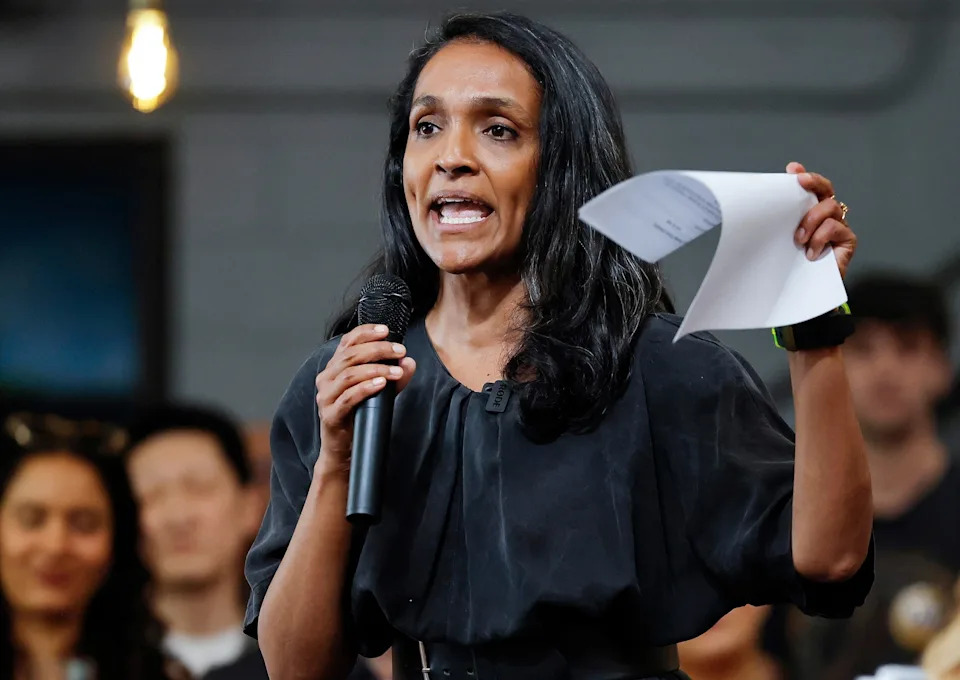
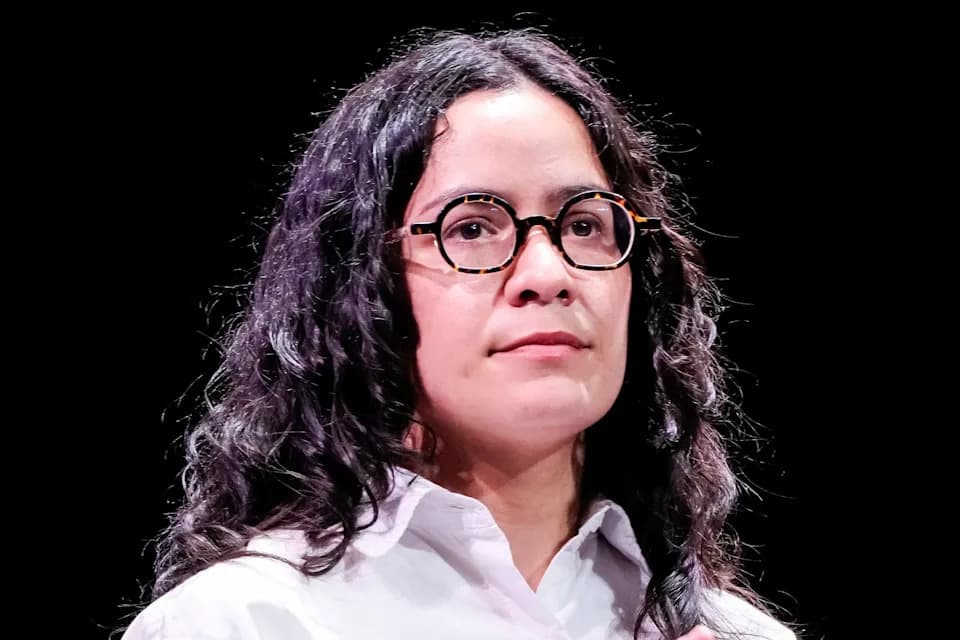
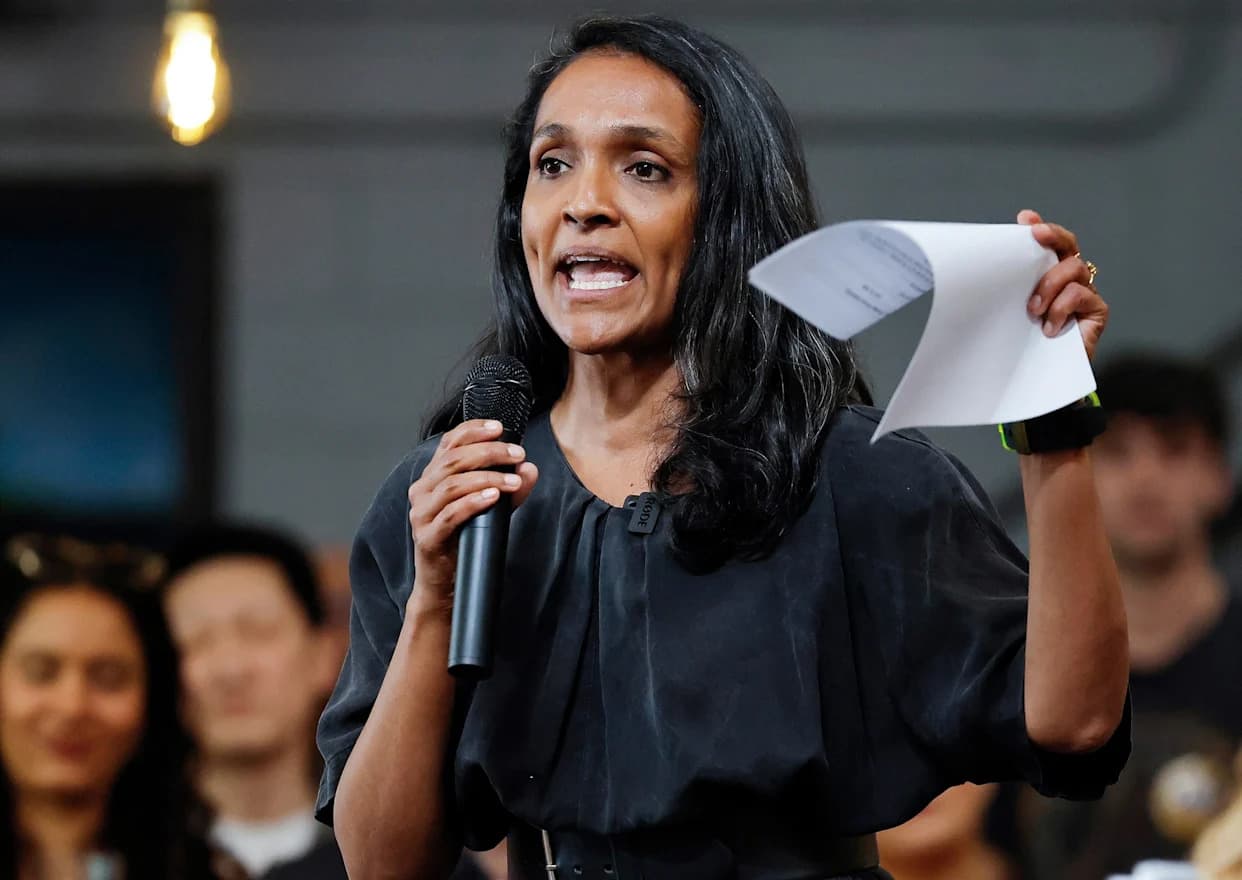
Mario Tama/Getty Images - PHOTO: Los Angeles City Councilmember and mayoral candidate Nithya Raman speaks at a campaign celebration with volunteers and supporters marking her advance into the general election on June 13, 2026 in North Hollywood, California.
Some mainstream Democrats have been reluctant to endorse DSA-backed candidates. Senate Minority Leader Chuck Schumer declined to back Zohran Mamdani in the New York mayoral contest, and Maryland Democrat Angela Alsobrooks supported Kenyan McDuffie over Janeese Lewis George.
Still, DSA candidates have notched notable primary victories this year. On May 19, Chris Rabb won Pennsylvania's 3rd Congressional District primary, and on June 8 Nithya Raman won the Los Angeles mayoral primary to advance to the general election against incumbent Karen Bass. If Raman and Lewis George win in November, major cities including New York, Los Angeles and Washington, D.C., could have mayors aligned with DSA positions.
Debate Over Viability Outside Liberal Cities
Critics argue that DSA gains are concentrated in liberal urban centers and may not translate to competitive statewide or national wins. Matt Bennett of Third Way, a center-left think tank, warned that attempting to replicate urban successes in swing states like Wisconsin could hand victories to Republicans. A Third Way analysis found that since 2017 "far-left" candidates have not flipped a Republican-held congressional seat, while "moderate" Democrats have flipped 50.
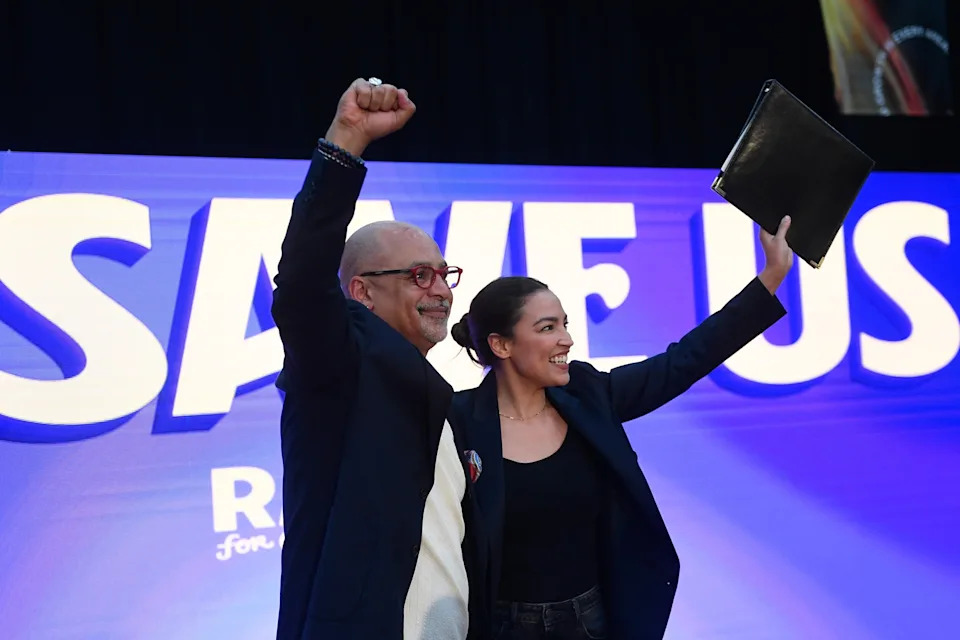
Matthew Hatcher/Getty Images - PHOTO: Pennsylvania State Rep. Chris Rabb and Rep. Alexandria Ocasio-Cortez share the stage during a Rabb for Congress rally on May 15, 2026 in Philadelphia.
Bennett echoed concerns that a primary upset could cost Democrats critical general election races. Supporters counter that expanding into new regions is untested territory and that changing political dynamics and economic pressures could alter outcomes this cycle.
In Florida, DSA congressional hopeful Oliver Larkin described his campaign as breaking new ground. After redistricting forced him to move from the 23rd to the 25th District and face Rep. Jared Moskowitz, Larkin remained optimistic about the movement's potential.
“People should not buy that the election results from the last few years are a harbinger of what's to come this fall. I think we are in a totally different environment,” Larkin said.
What To Watch
As the midterms approach, key indicators to watch include turnout among young voters, the geographic spread of DSA victories beyond liberal cities, and whether economic concerns shift more voters toward candidates promising systemic change. How mainstream Democrats respond — by distancing from or embracing progressive challengers — will also shape November’s map.
Help us improve.