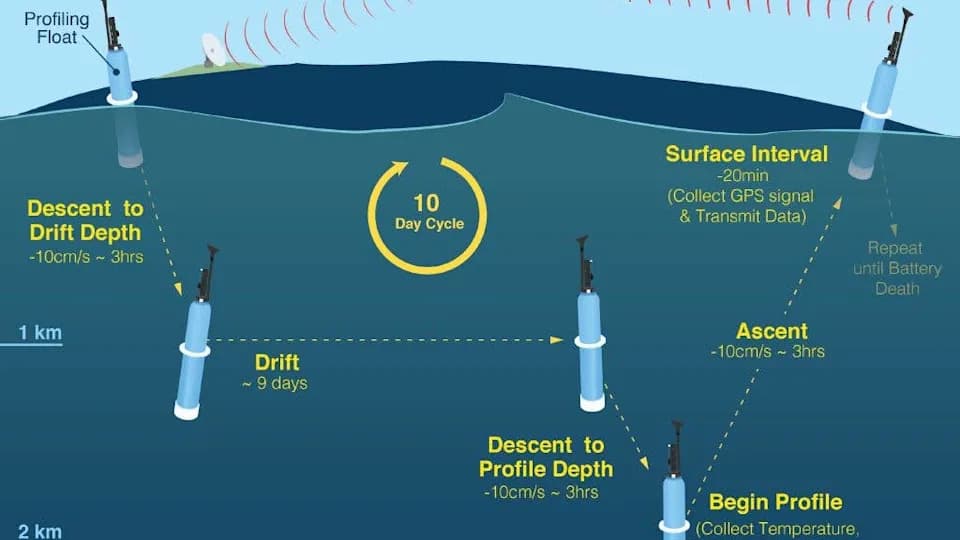
The NSF plans to retire four of the five remaining arrays in the Ocean Observatories Initiative by summer 2027, well before the program's intended 25-year span. Scientists warn the move would erase critical long-term ocean records used to track marine heat waves, improve hurricane forecasts and support fisheries. Advocates — including Mark Spalding of The Ocean Foundation — say the decision wastes taxpayer money and could harm national security and coastal communities. Many researchers urge reconsideration to avoid creating data blind spots as oceans warm.
NSF Moves to Dismantle Major Ocean Observing Network Early, Sparking Scientific Outcry
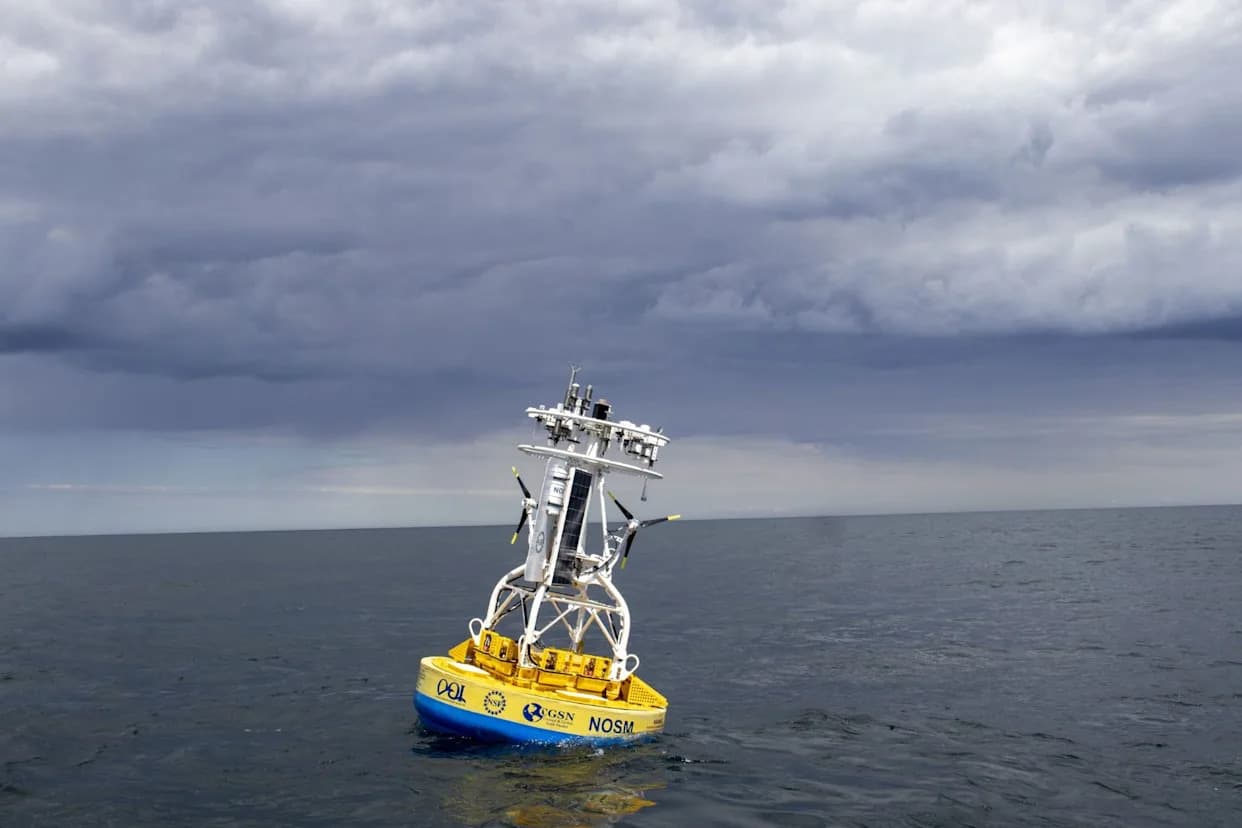
Photo Credit: Woods Hole Oceanographic Institution
The National Science Foundation's (NSF) decision to dismantle most of the Ocean Observatories Initiative (OOI) years ahead of its planned life has prompted sharp criticism from ocean scientists, forecasters and community advocates.
Background
The OOI began operations in 2016 after an investment of more than $360 million and was designed to run for 25 years to collect continuous measurements from the ocean surface to the seafloor. According to reporting in USA Today, the NSF intends to retire four of the five remaining instrument arrays by the end of summer 2027, even though the program is not yet halfway through its planned lifespan.
Why Scientists Are Alarmed
Researchers say the arrays provide long-term climate and ocean records used to track marine heat waves, study how ocean conditions influence hurricanes, and monitor fisheries and coastal ecosystems that support food supplies and jobs. Those continuous records are essential for validating climate models, improving forecasts, and issuing earlier warnings to at-risk communities.
Scientists warn that removing instruments now would create significant blind spots just as oceans are repeatedly setting new heat records and warming waters are amplifying the severity and cost of extreme weather events.
What Is Being Removed
The Pacific Northwest array has already begun removal. Arrays in the Gulf of Alaska, off New England and southeast of Greenland are scheduled next. Collectively, these observatories deliver continuous, high-quality data from surface conditions to the seafloor to support both research and operational forecasting.
Reactions
Mark Spalding, president of The Ocean Foundation, warned that scrapping the OOI would squander taxpayer investment by "destroying capital we already paid for," and said the program also supports national security by informing "anti-submarine warfare and naval operations."
Other scientists and ocean advocates have echoed concerns that earlier-than-planned retirement of these arrays would weaken forecasting, leave gaps in critical climate records, and reduce data available to protect coastal populations, fisheries and maritime operations.
Next Steps and Stakes
The debate over the OOI raises broader questions about how to sustain long-term environmental monitoring at a time when climate-driven risks are increasing. Advocates are calling for reconsideration of the decision or alternative funding to keep key arrays operational so researchers and communities do not lose irreplaceable data.
Bottom line: Retiring much of the OOI early would remove vital ocean observations used for science, forecasting and national security, and many experts say this is precisely the wrong move as oceans warm and coastal risks grow.
Help us improve.