Floating plastic absorbs an algal biofilm that emits dimethyl sulfide (DMS), the same scent many seabirds use to find prey. This causes albatrosses to eat debris that blocks digestion, punctures organs and fills chicks’ stomachs with non‑nutritive material. Between 4.8 and 12.7 million metric tons of plastic enter the oceans each year, concentrating in gyres that overlap albatross feeding grounds. Because most albatross species breed slowly, even small increases in chick mortality can drive long‑term population declines.
How Millions of Tons of Plastic Are Killing Albatross Chicks
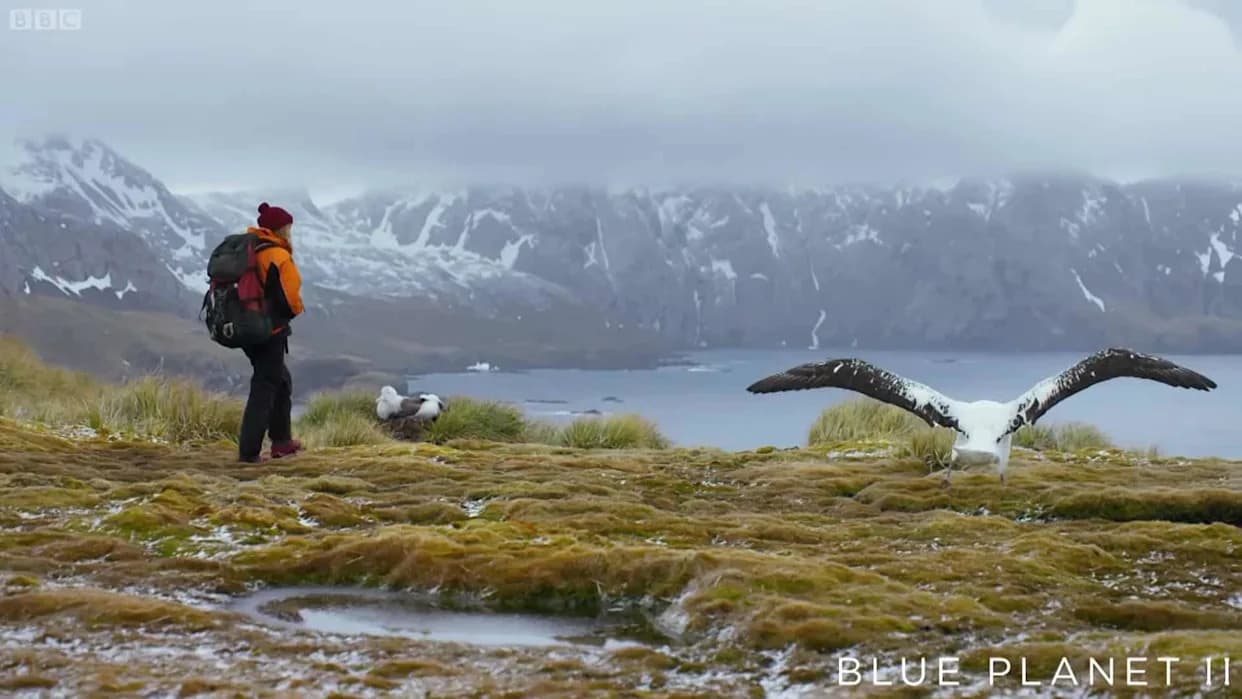
Researcher watching albatross spread wings, epic landscape© BBC via YouTube — used under fair use
In a short, heartbreaking scene from the BBC series Blue Planet II, researchers sort through a pile of regurgitated material from an albatross chick. Among natural items like squid beaks and fish bones they find fragments of plastic — a bag, packaging, and a tiny plastic toothpick that had punctured the chick’s stomach and likely caused its death.
This single image reveals a global crisis unfolding across albatross colonies. When floating plastic drifts alongside squid and fish, adult birds often swallow it and feed it to their chicks. Inside a bird’s stomach, plastic can block digestion, lacerate internal organs, or simply take up space that should be filled with nutritious food.
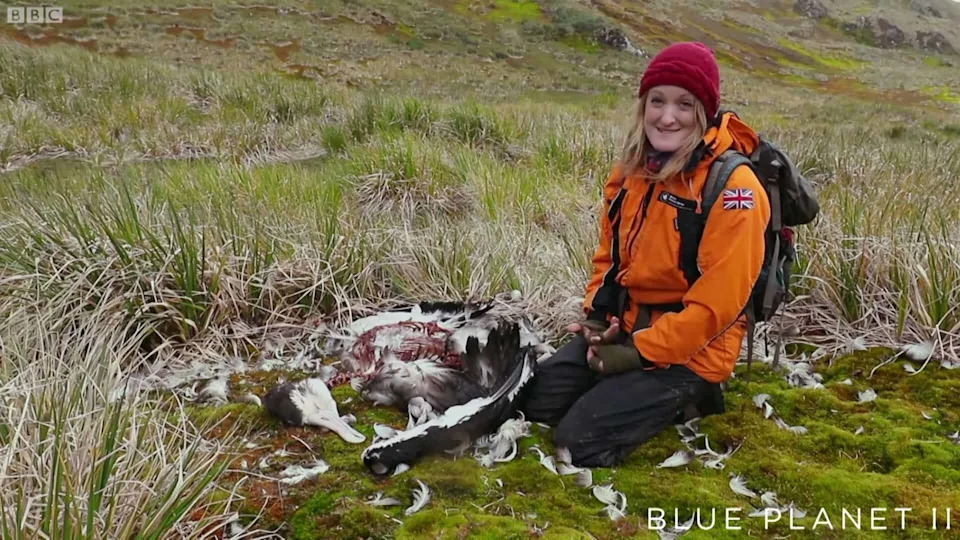
A single plastic toothpick killed this albatross by puncturing its stomach.©BBC via YouTube — used under fair use –Original/License
Why Experienced Hunters Mistake Plastic for Food
Researchers tracing the cause found a cruel sensory trick: plastic debris in seawater rapidly accumulates a slimy biofilm of algae and bacteria, which emits dimethyl sulfide (DMS). Many seabirds—including tube‑nosed species like albatrosses—use DMS as an olfactory cue to find krill and fish. The DMS smell makes floating plastic smell like food, guiding birds straight to deadly debris.
The Scale Of The Problem
Estimates suggest that between 4.8 million and 12.7 million metric tons of plastic enter the ocean from land every year. Currents gather much of this material into large rotating patches called subtropical gyres, which overlap with important albatross feeding areas.
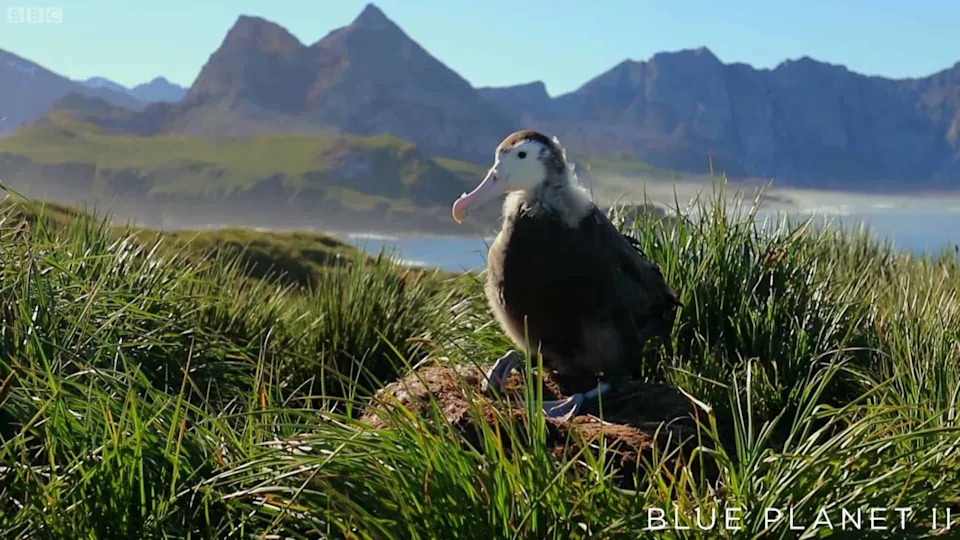
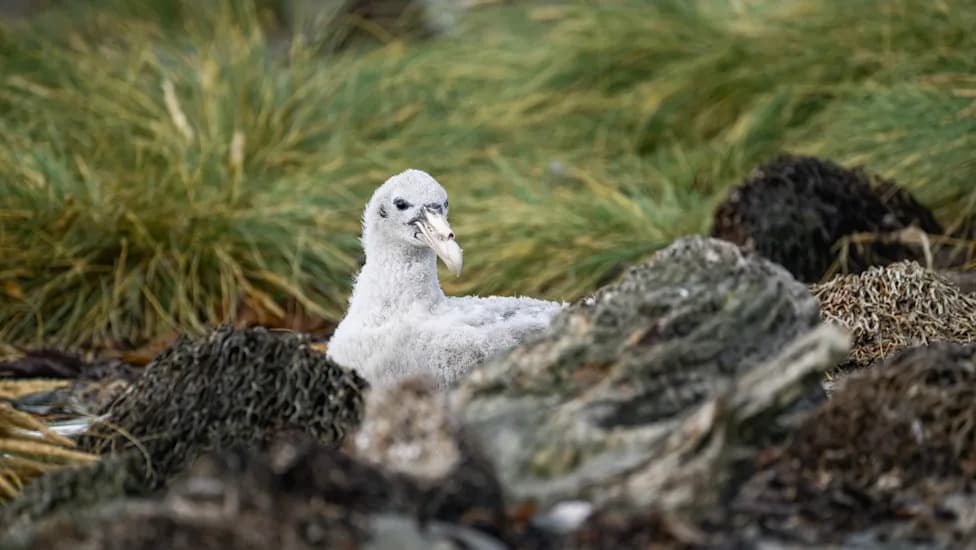
Albatrosses lay just a single egg every one to two years, making them a slow-breeding creature.©BBC via YouTube — used under fair use –Original/License
Impacts On Chicks And Populations
The effects on chicks vary. Some birds expel indigestible material as a compact pellet called a bolus, which normally contains squid beaks and other hard prey parts — and increasingly, plastic fragments. Others retain plastic in their stomachs. Studies of related seabirds show that heavy plastic loads correlate with poor body condition, stunted wing growth and blood markers of ill health. Tiny, sharp items — even a single toothpick — can puncture the gut and kill a chick.
Albatrosses are long‑lived and slow to reproduce: most species lay only one egg every one to two years, and a chick can take nine to ten months to fledge. Because populations recover slowly, each avoidable death has a significant long‑term impact.
Conservation Context
Of the 22 recognized albatross species, the International Union for Conservation of Nature (IUCN) lists most as threatened or near threatened. While bycatch in commercial fisheries and invasive predators on breeding islands remain leading causes of mortality, plastic ingestion has emerged as an escalating and persistent threat.
What the Blue Planet II clip shows: plastic produced and discarded on land drifts to sea, acquires a scent that mimics prey, is eaten by foraging adults, and is then delivered to nests — where it harms the next generation.
Addressing this problem requires reducing plastic waste at the source, improving waste management on land, cutting single‑use plastics, and supporting conservation measures that protect breeding colonies. Without such action, the steady flow of plastic into the oceans will continue to jeopardize albatross populations worldwide.
Help us improve.