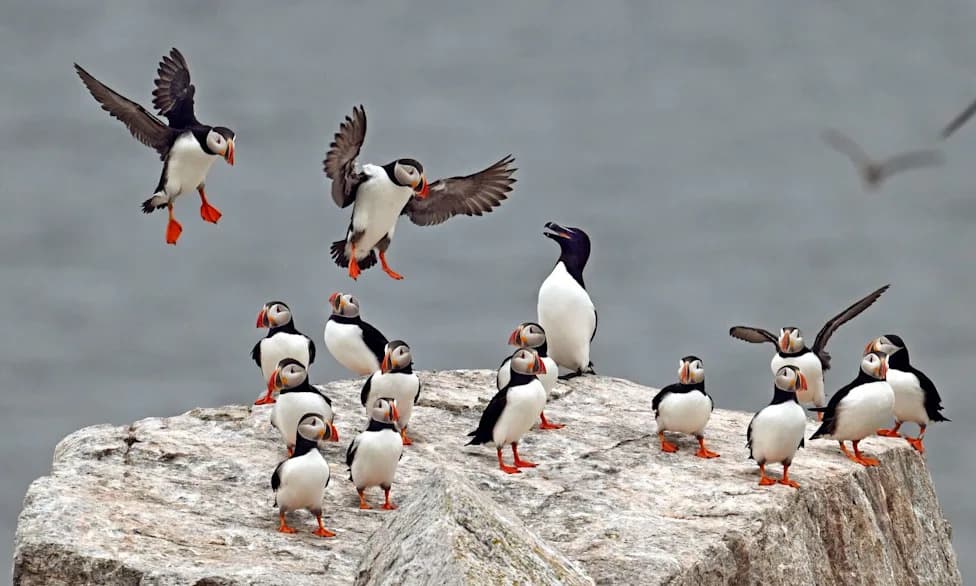
Common murres along the California coast have been dying in large numbers over the past two months as warm Pacific waters, amplified by climate change and a strong El Niño, increase competition for prey. Many birds are arriving at rescue centers emaciated and too weak to molt, which undermines insulation and waterproofing. Rescue teams are providing specialized care and treating some birds for the blood parasite Babesia uriae. The event echoes the 2014–2016 Alaska die-off that killed millions of murres and highlights slow recovery due to the species’ low reproductive rate.
Thousands Of Common Murres Starve Along California Coast As Warm Pacific Intensifies Competition
Tiny penguin-like sea birds are dying in droves along the California coast
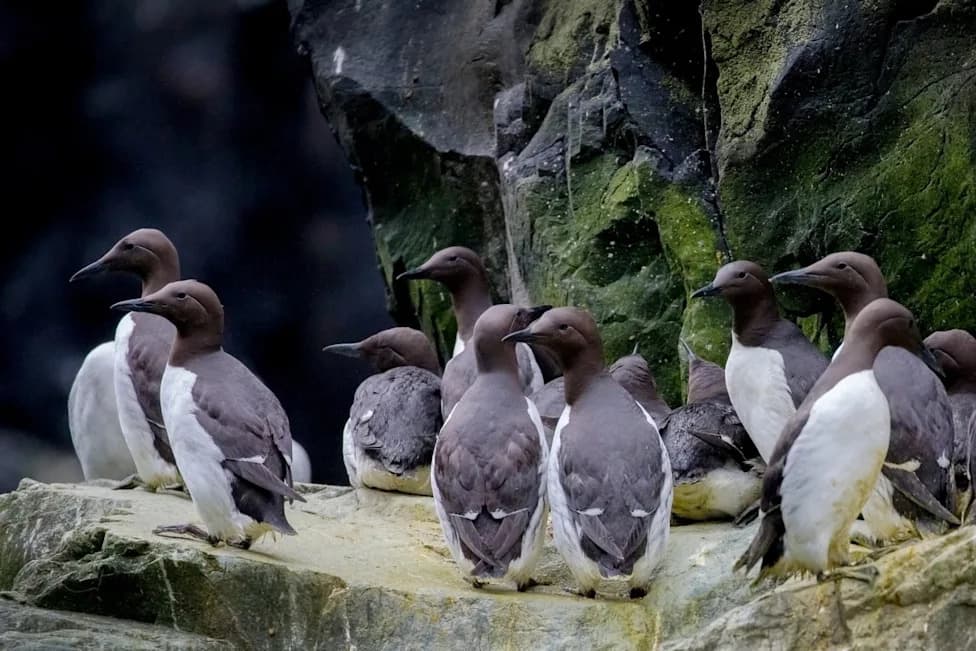
Penguinlike seabirds called common murres have been dying in large numbers along the California coast over the past two months as unusually warm Pacific conditions—driven by climate change and a strong El Niño—sharpen competition for their prey.
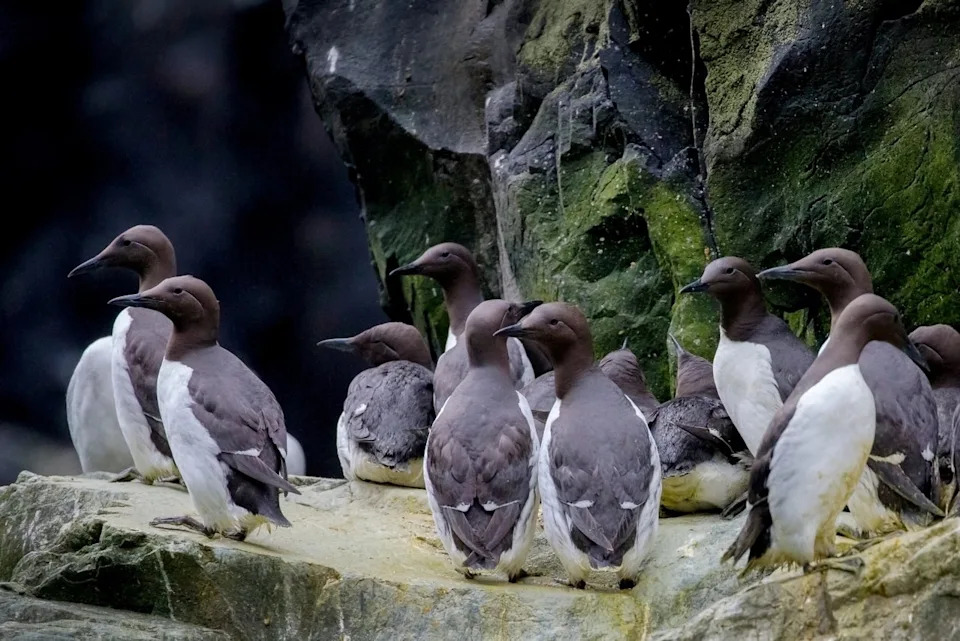
Common murres are starving because warming Pacific waters are helping competitors gobble up more of their prey (Brie Drummond/USFWS)
Why Murres Are Starving
Although common murres can dive as deep as 300 feet to hunt, faster predator fish are outcompeting them for the small fish and invertebrates they rely on. Many murres are arriving at rescue centers emaciated and too weak to complete the energy-intensive process of molting. Without new feathers, birds lose insulation, buoyancy and waterproofing, leaving them even more vulnerable in cold ocean waters.
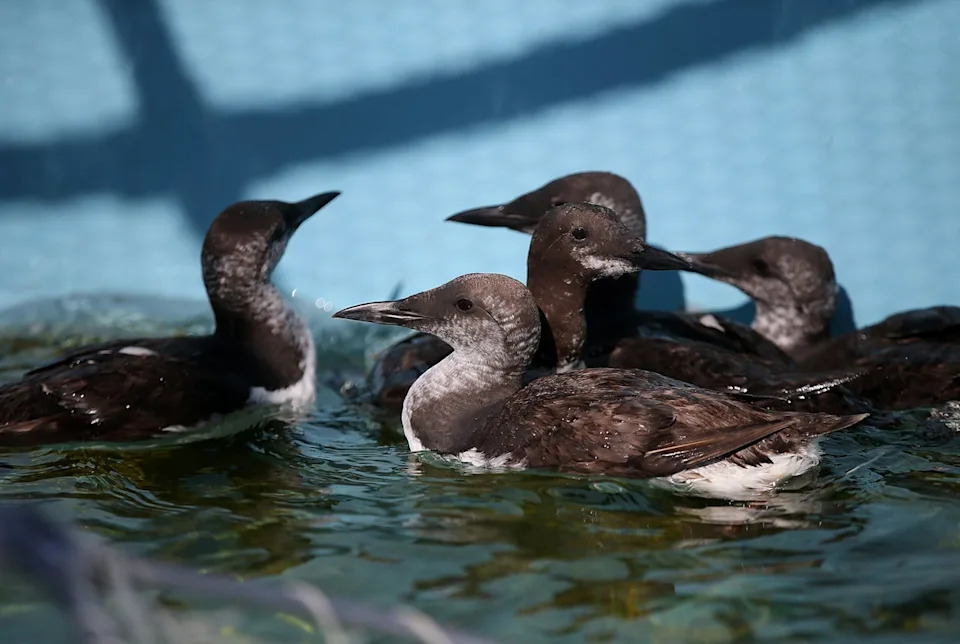
Common murres experienced the largest known die-off of a single bird species in Alaska in 2014 (Getty Images)
Rescue And Treatment
Dozens of severely underweight murres have been taken to International Bird Rescue centers in California for urgent rehabilitation. Veterinary teams provide specialized feeding, weight recovery plans and feather support so birds can be returned to the wild when healthy. Some individuals are also being treated for the red blood cell parasite Babesia uriae, which can cause anemia and compound weakness.
“Not having the energy to grow new feathers is kind of like not having enough money to buy a new wetsuit and having to use a ratty old one with lots of holes in a cold ocean,” said Dr. Rebecca Duerr, Senior Director of Research and Veterinary Science at International Bird Rescue.
Context And Concern
This is not the first major die-off of common murres. During the 2014–2016 Alaska marine heat wave known as “the blob,” researchers estimate roughly four million murres—about half of Alaska’s population—died of starvation, according to a 2024 study. Because murres typically lay only one egg per year and often mate for life, population recovery after large die-offs is slow, making current rescue efforts critical.
How You Can Help
If you encounter a murre that appears in distress—found in an unusual location, isolated from other birds, entangled in fishing gear, or allowing close human approach—contact local animal control or International Bird Rescue’s Bird HelpLine at 866-SOS-BIRD (866-767-2473) for instructions. Do not attempt to feed or handle wild seabirds without guidance.
Help us improve.