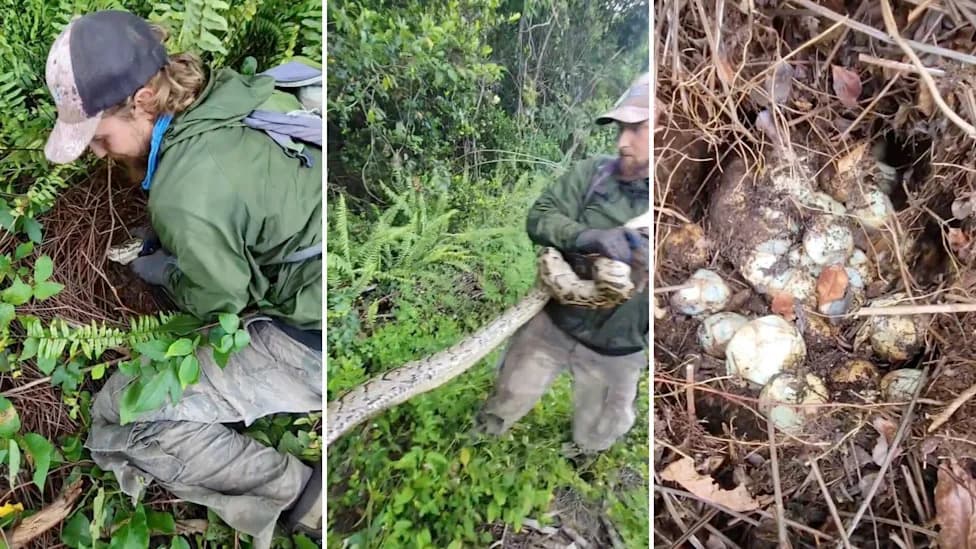
New research in the Journal of Zoology indicates Burmese pythons in the Everglades may act as unintentional seed carriers after consuming fruit‑eating mammals and birds. Scientists found 25 seed types in python digestive samples and report nearly 40% of cabbage palm seeds survived gut passage and germinated. Conservationists warn that with native mammal seed dispersers declining, this new dispersal pathway represents a significant ecological disruption.
Burmese Pythons May Be Reshaping Everglades Vegetation by Transporting Seeds
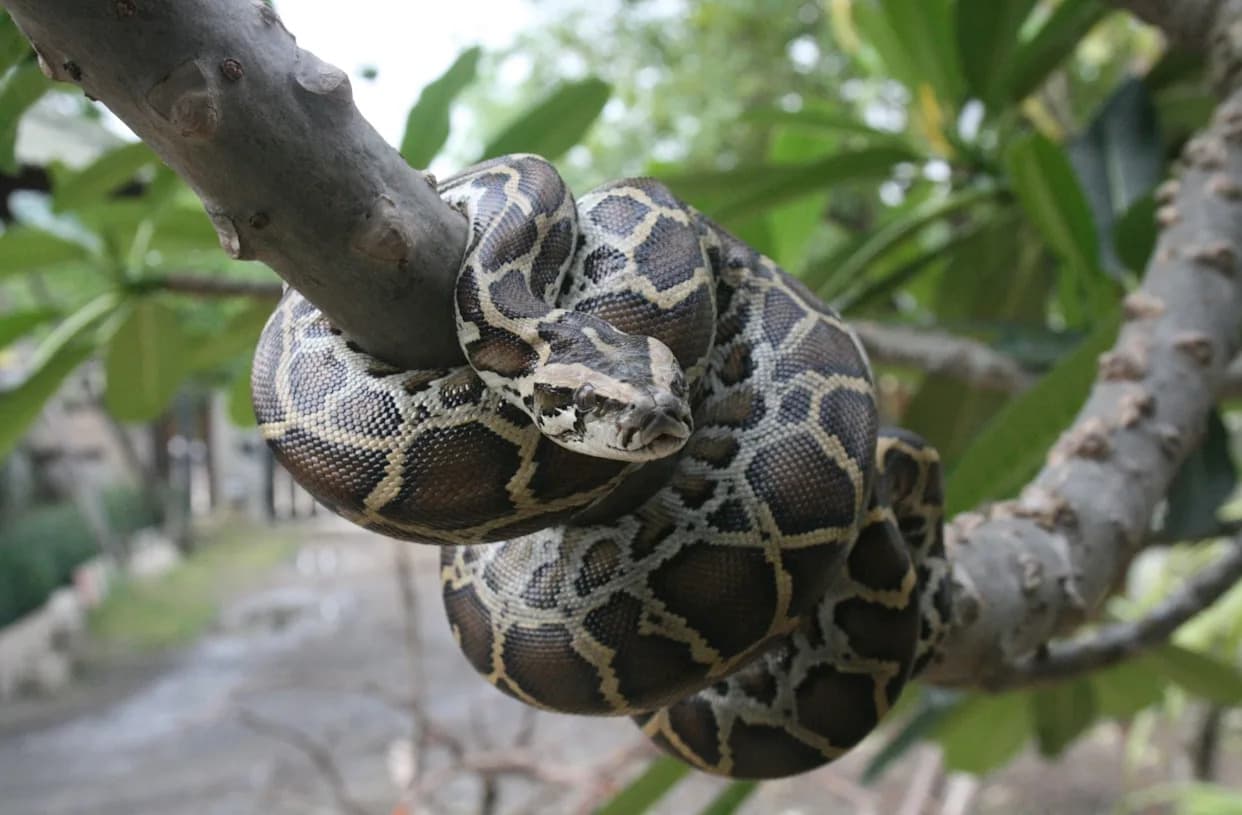
Photo Credit: iStock
New research suggests that invasive Burmese pythons in the Florida Everglades may be altering plant communities by transporting seeds after eating fruit‑eating mammals and birds. The study, published in the peer‑reviewed Journal of Zoology, combines field sampling and germination trials to show this unexpected ecological effect.
Key Findings
Researchers from the University of Florida and the U.S. Geological Survey, using digestive-tract samples collected by the Conservancy of Southwest Florida's python team, identified 25 different seed types inside pythons. Seeds found included native Everglades species such as cabbage palm and creeping cucumber.
Germination tests reported by the Conservancy show that nearly 40% of cabbage palm seeds that passed through a python’s gut survived and later germinated, providing experimental evidence that gut passage can leave seeds viable.
How Pythons Move Seeds
Authors describe pythons as potential unintentional secondary seed dispersers: by eating mammals and birds that normally disperse seeds, pythons can relocate plant propagules to new sites when the consumed animals are digested.
Ecological Implications
This seed transport could help native plant species colonize new areas, but it may also facilitate the spread of non‑native or weedy plants into sensitive habitats. The Conservancy notes that many native mammal seed dispersers have already declined sharply due to python predation, so replacing that ecological function with a large invasive predator represents a major disruption to ecosystem processes.
Conservancy summary: Invasive species can reshape ecosystems in ways that are not always obvious; the impact of pythons extends beyond the animals they directly kill.
The researchers emphasize that seed transport is an additional, somewhat unexpected pathway by which invasive Burmese pythons may be altering Everglades ecosystems. Further study is needed to quantify how often seed dispersal by pythons leads to lasting vegetation changes and whether the net effect is harmful or beneficial to native plant communities.
Help us improve.