The Mekong River is experiencing dangerous levels of arsenic and other heavy metals, traced by researchers to illegal mining in conflict-affected Myanmar. Authorities found sediment concentrations near Chiang Saen up to 296 mg/kg—over nine times levels harmful to aquatic life—and tests have detected arsenic in local residents. The contamination has reached the Mekong itself and risks spreading downstream to the Mekong Delta, threatening fisheries, rice production and public health. Activists call for regional diplomatic action while the Mekong River Commission expands monitoring, though Myanmar and China remain outside the commission.
Toxic 'Time Bomb' in the Mekong: Arsenic Contamination Threatens Fisheries, Farming and Health
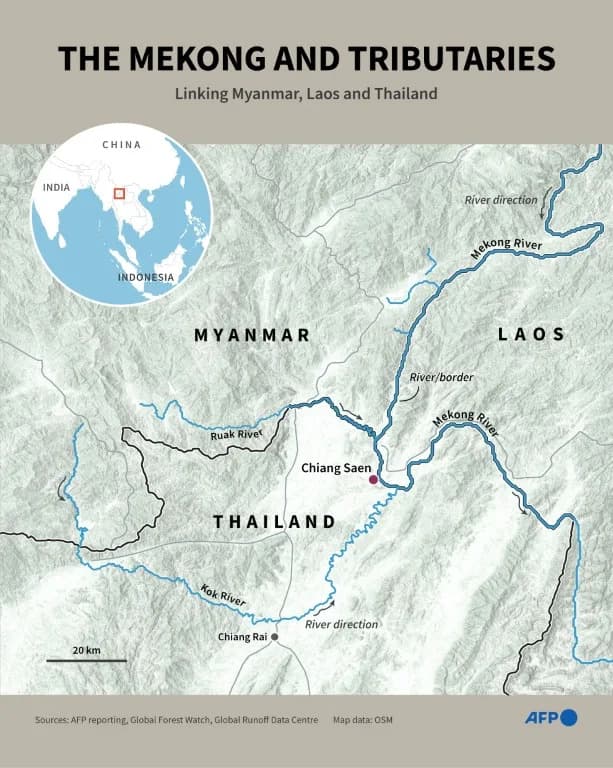
Infographic map showing the river system on the border region of Myanmar, Laos and Thailand.(AFP/AFP)
Thai fisherman Somdet Singthong guided his metal skiff along the brown, murky Mekong, painfully aware that pollution has jeopardised both his health and the livelihood he has relied on for decades. Medical tests detected elevated arsenic in his fingernails and urine, and scientists have confirmed high arsenic levels in river sediment near Chiang Saen.
Analyses by Thai authorities and university researchers link the contamination to unregulated mining in neighbouring Myanmar. Sediment tests near Chiang Saen recorded arsenic concentrations as high as 296 mg/kg — more than nine times levels considered dangerous for aquatic life — and similar hotspots have been found in Mekong tributaries such as the Kok river.
Local Impact: Livelihoods and Health at Risk
The fallout is immediate and visible. Villagers who once bought fish directly from Somdet have largely stopped. Carp and catfish are being discarded as consumers and vendors worry about contamination. Authorities now advise against eating shellfish and the guts of river fish, yet many households cannot afford safer alternatives.
"The impact has been huge," Somdet said. "There's nothing else we can do anyway. We have to live with this river, whatever happens to it."
What's Causing the Pollution?
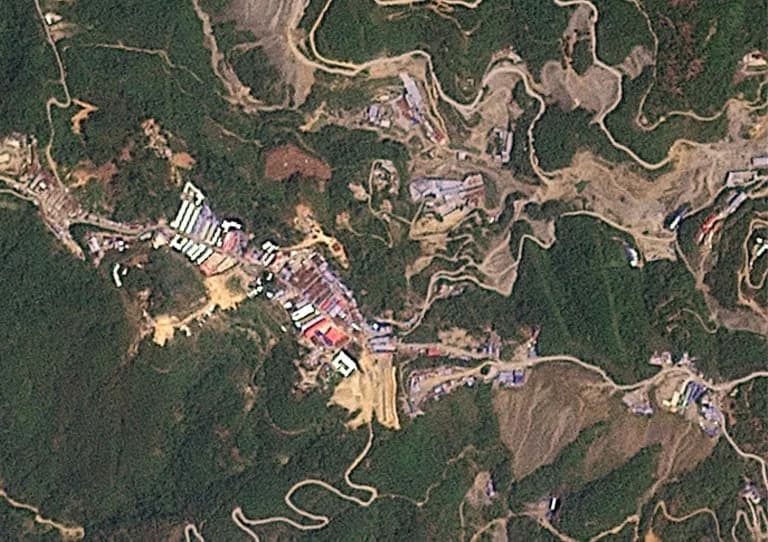
Researchers and environmental campaigners point to illegal mining operations in Myanmar, where ongoing conflict and weak governance have enabled rapid, poorly regulated extraction of rare earths and other minerals. These materials feed global supply chains for smartphones, electric vehicles, wind turbines and more.
A May report from the Stimson Center concluded that conflict, fragmented governance and global market demand have combined to drive extraction "at the expense of environmental integrity and human security." Scientists at Chiang Mai University found arsenic levels in Kok river sediment roughly ten times higher than normal, prompting warnings that the contamination is a long-term "time bomb" for cancer and neurological disease risks.
Regional Responses and Limits
Activists have staged protests — including Buddhist monks carrying signs that read "Rivers Are The Veins Of Our Lives" — and are calling for diplomatic dialogue between Thailand, Myanmar, Laos and China. The Mekong River Commission says it is strengthening monitoring and regional cooperation, but neither Myanmar nor China are members, complicating coordinated action.
Local officials and inspection teams continue sampling and advising caution. Still, residents and fish sellers describe a divide between official reassurances and community fear: some customers are returning, while many families remain wary.
Why This Matters Downstream
Experts warn that heavy metals and toxins released upstream can travel with the river all the way to the Mekong Delta, jeopardising key rice-growing regions in Vietnam and threatening food security for millions who rely on the river for food, water and income.
Immediate needs include: expanded, transparent cross-border monitoring; inclusive diplomatic dialogue that involves China and Myanmar; enforcement against illegal mining; and community support for affected populations, including medical screening and alternative food sources.
Help us improve.