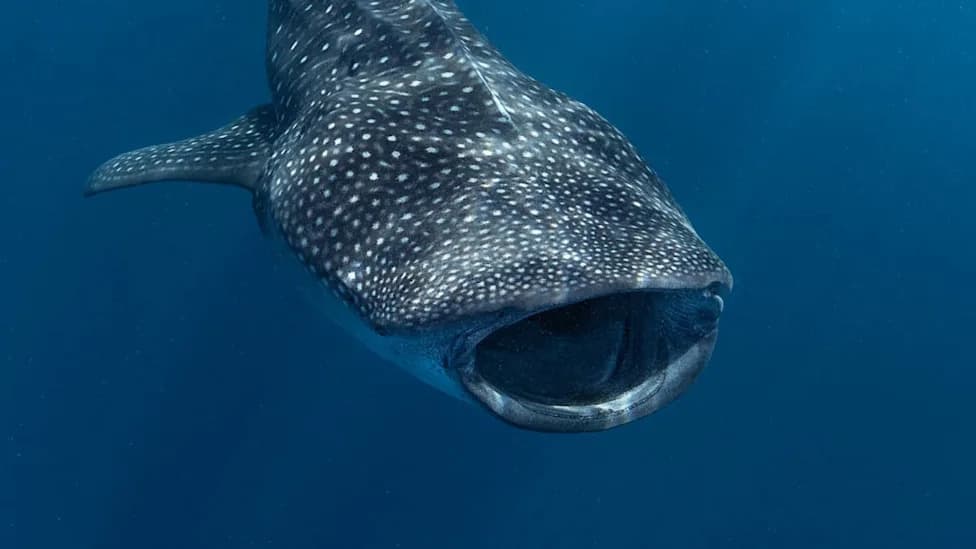
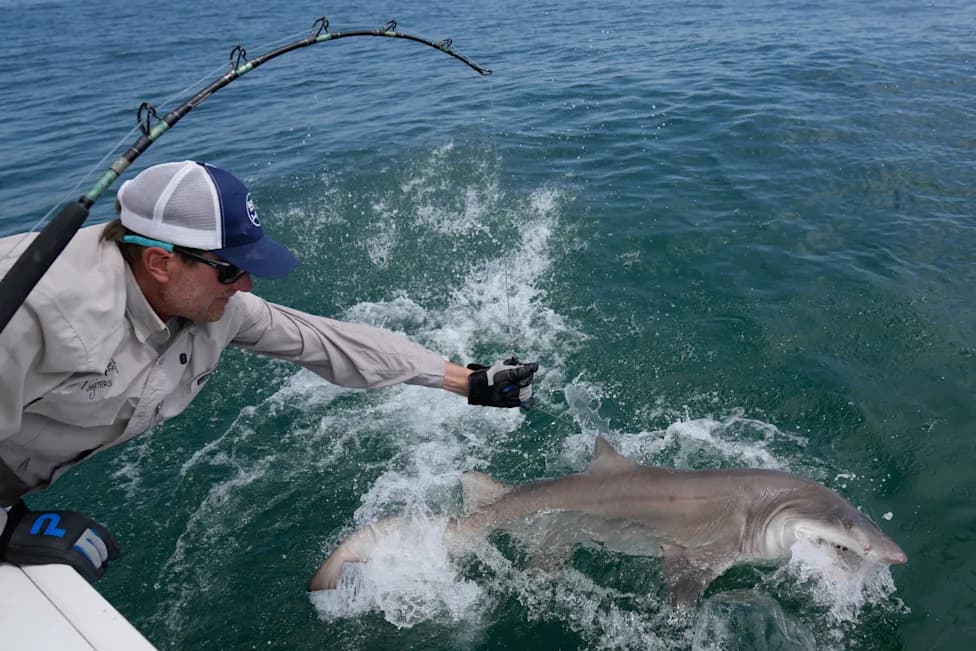
University of Miami research shows Biscayne Bay has become warmer, saltier and more acidic over the past ~20 years, shifting from brackish estuary toward open-ocean conditions. The bay is a crucial nursery for juvenile great hammerhead sharks and supports dozens of endangered and fishery-dependent species. Rising salinity and acidification threaten prey species, food webs and freshwater supplies as saltwater intrudes into the Biscayne Aquifer.
Under Miami’s Skyline: Juvenile Hammerheads Lose Nursery as Biscayne Bay Turns Ocean-Like
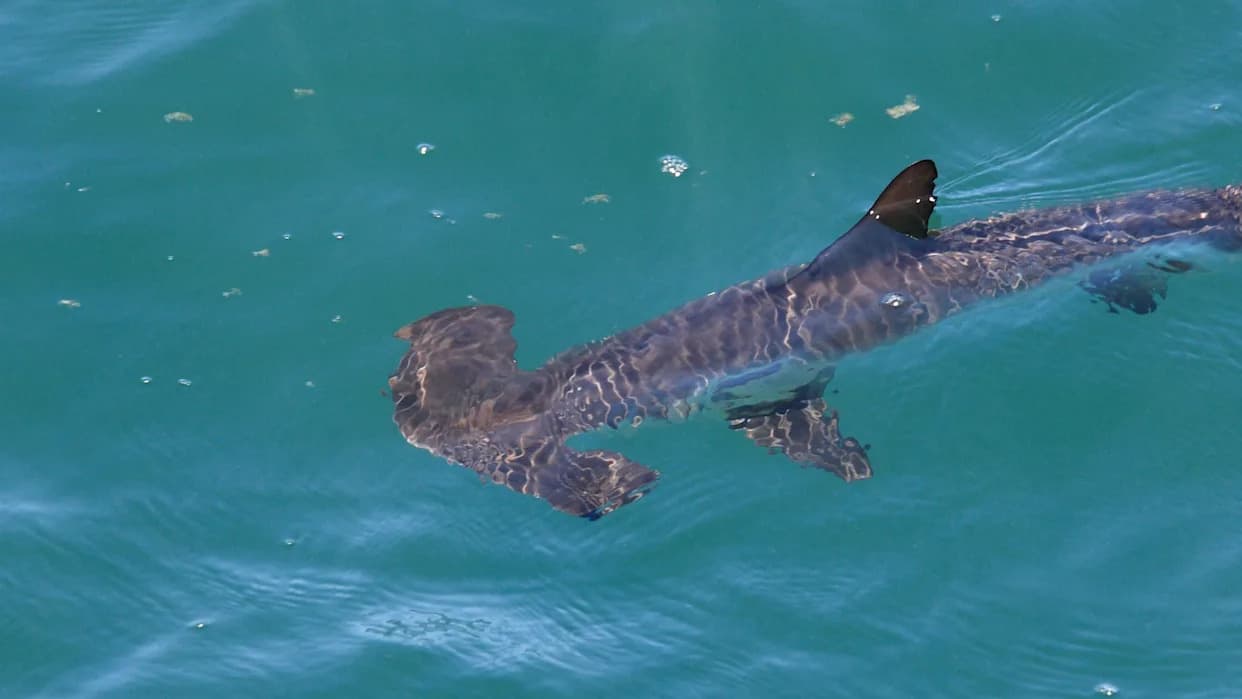
Photo Credit: iStock
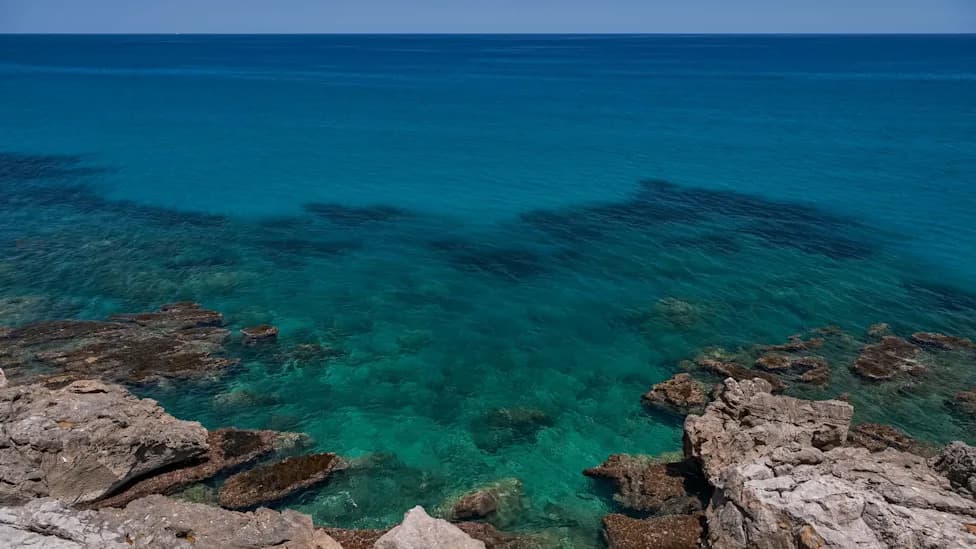
Researchers warn that Biscayne Bay, adjacent to Miami, is undergoing a slow but profound transformation that could reshape critical habitat for many at-risk marine species. A University of Miami study tracking roughly 20 years of data found the bay’s shallow waters have become warmer, saltier and more acidic—conditions that increasingly resemble the open ocean rather than a brackish estuary.
Key Findings
Long-Term Change: Over the past two decades, Biscayne Bay has trended toward higher temperature, salinity and acidity, driven in part by sea-level rise and warming coastal waters.
Nursery Loss Risk: The bay serves as an essential nursery for juvenile great hammerhead sharks for about the first two years of their lives; those nursery conditions are threatened as brackish habitats disappear.
Impacts On Wildlife And People
Biscayne Bay supports more than 30 endangered or imperiled species and over 100 species tied to commercial and recreational fisheries. Its shallow flats have even sheltered a 12-foot critically endangered sawfish. As salinity rises and acidity increases, fish communities are shifting and prey species—especially shell-building organisms—are vulnerable, which could weaken food webs that sustain sharks and fisheries.
“Since I have been here, the bay has been salty,” said Florida Sea Grant agent Ana Zangroniz, illustrating how gradual the change has felt on the water.
These changes also threaten human water supplies. Saltwater intrusion into the Biscayne Aquifer, which provides much of South Florida’s drinking water, has already forced some coastal wells out of use and pushed municipalities to drill farther inland.
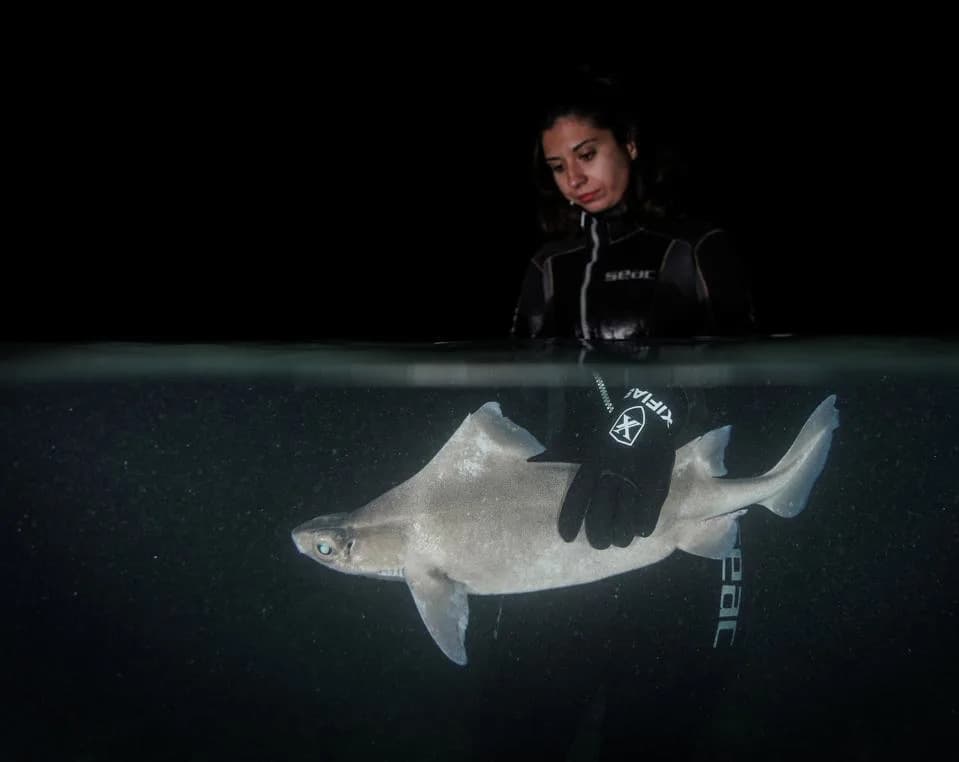
“Acidification has the potential to affect both sharks themselves physiologically and prey species that are important to them,” said Catherine Macdonald, director of the Shark Research and Conservation Program at the University of Miami.
Warnings And Wider Context
Scientists caution that Biscayne Bay is not unique. Lead author Elliot Scanes notes that shallow coastal systems warm rapidly—"they're like a puddle in the sun"—and many estuaries may shift toward open-ocean conditions as seas rise and waters warm and acidify. For species such as great hammerheads that return to the same nursery areas to give birth, the stakes are especially high.
“I really deeply hope that we don't end up the first nursery that is reported to disappear because of climate change,” Macdonald said.
While the transition has unfolded slowly—making it easy to miss on a day-to-day basis—researchers emphasize that the cumulative effects on ecosystems, fisheries and freshwater supplies could be substantial unless mitigation and adaptation measures are pursued.
Help us improve.