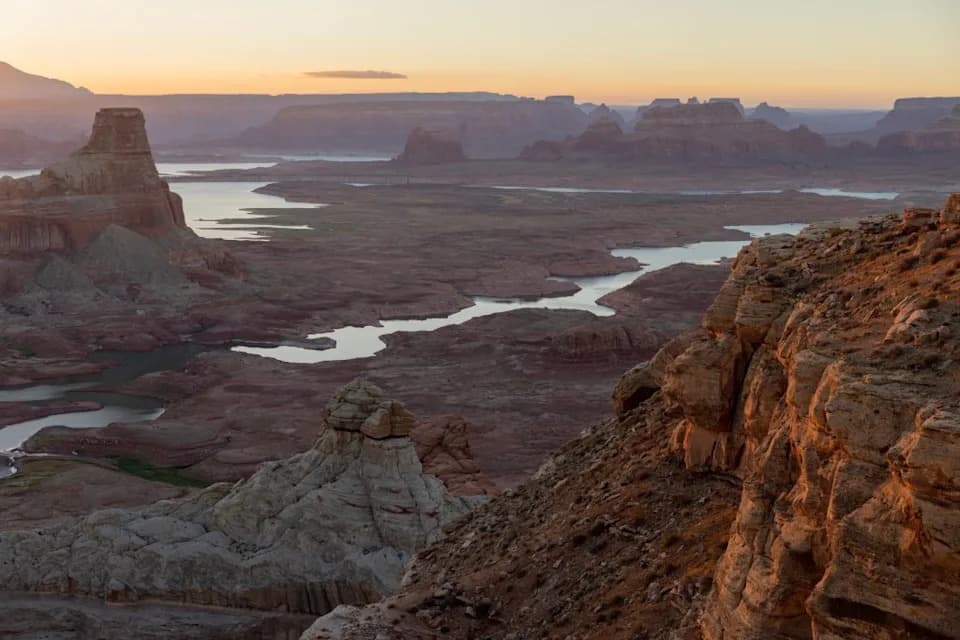
The Colorado River supports 40 million people but faces an urgent shortfall from climate-driven declines, long-standing over-allocation and rapid groundwater loss. Reservoirs are critically low (Lake Powell ~25%; Lake Mead ~34%), and governing rules expire at the end of 2026, forcing rapid decisions. Solutions being deployed include conservation, agricultural efficiency, recycling and desalination, water markets and tribal inclusion — but durable stability requires coordinated, long-term reforms.
Saving the Colorado River: Urgent Innovations and Policy Choices to Prevent Collapse (2026)
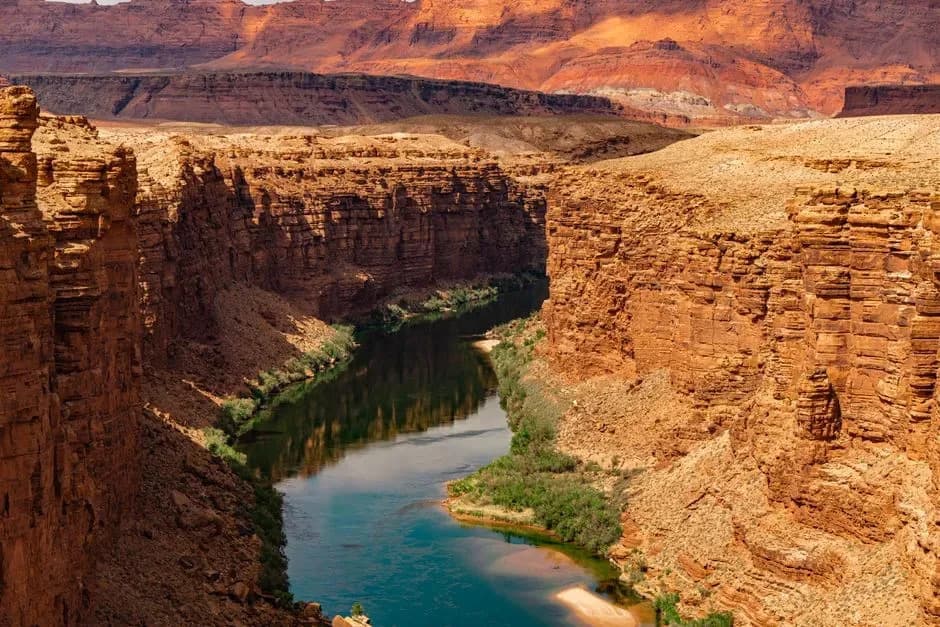
Image credits: Pexels
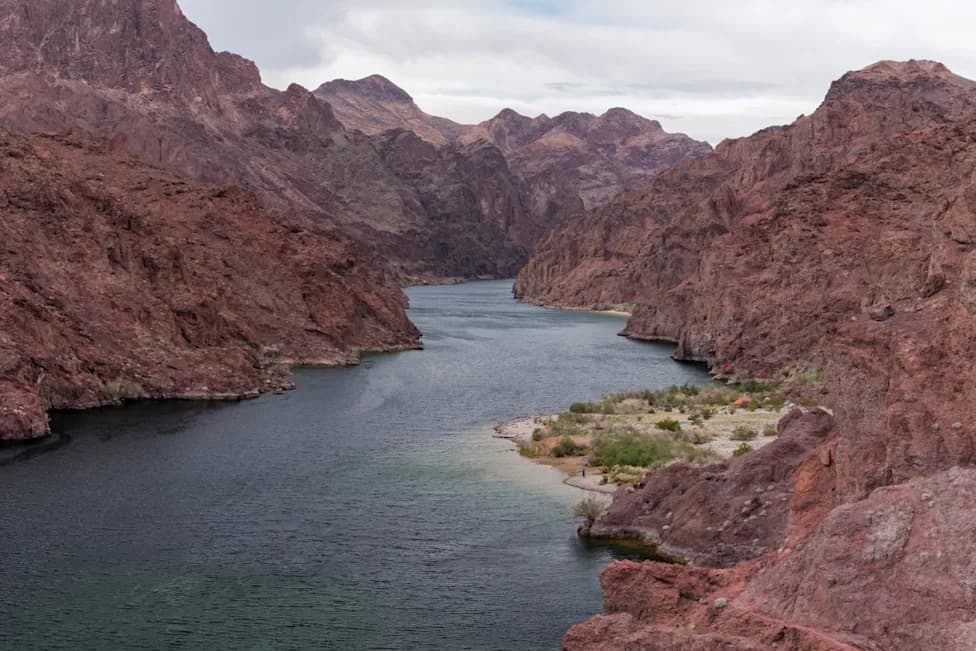
The Colorado River is the lifeblood of the American Southwest, supplying roughly 40 million people across seven U.S. states and supporting large agricultural regions. Today the system faces an unprecedented combination of long-term warming, a century of overallocation, accelerating groundwater depletion and rising demand — a mix that demands urgent, coordinated action.
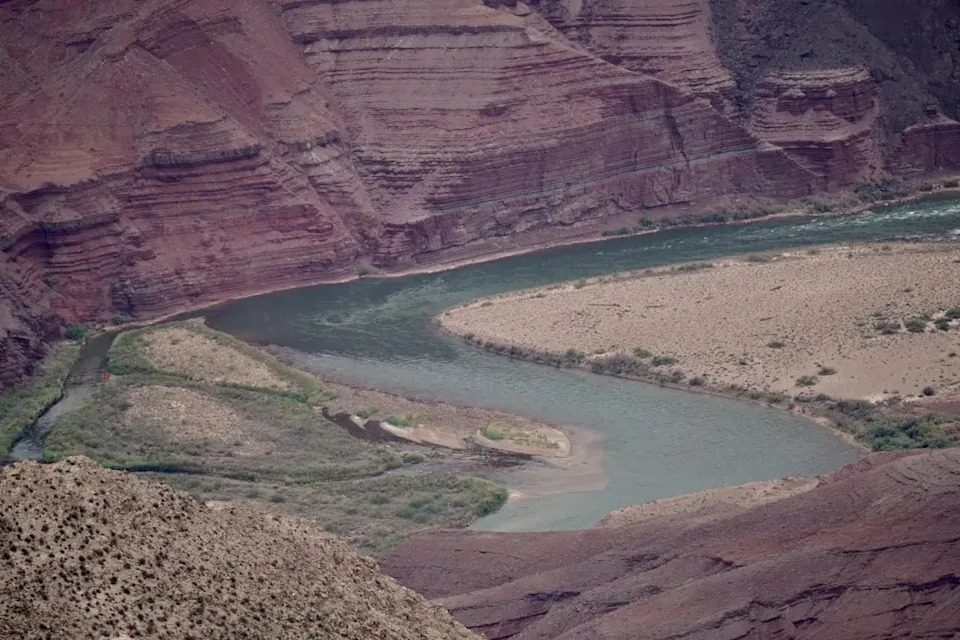
A River in Real Trouble: The Scale of the Crisis (Image Credits: Unsplash)
Current Crisis
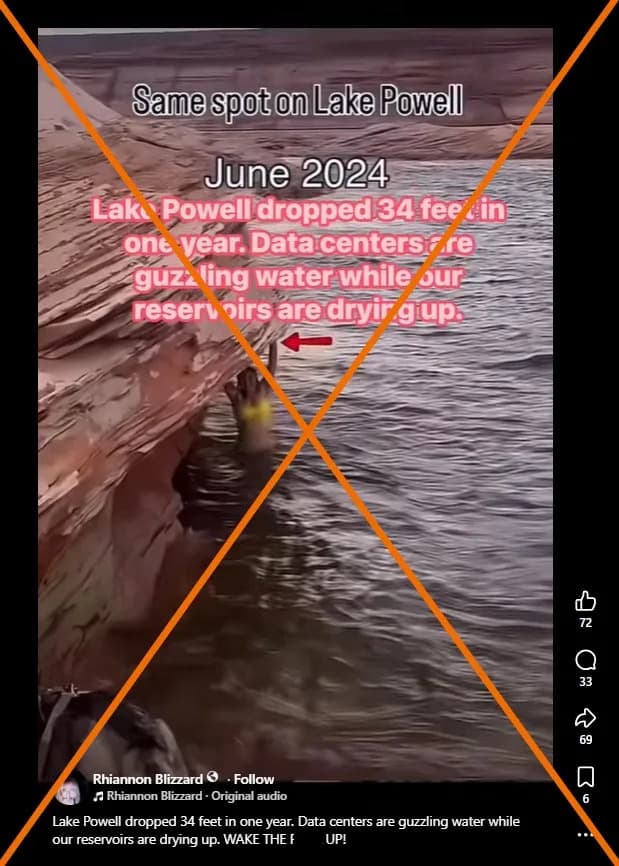
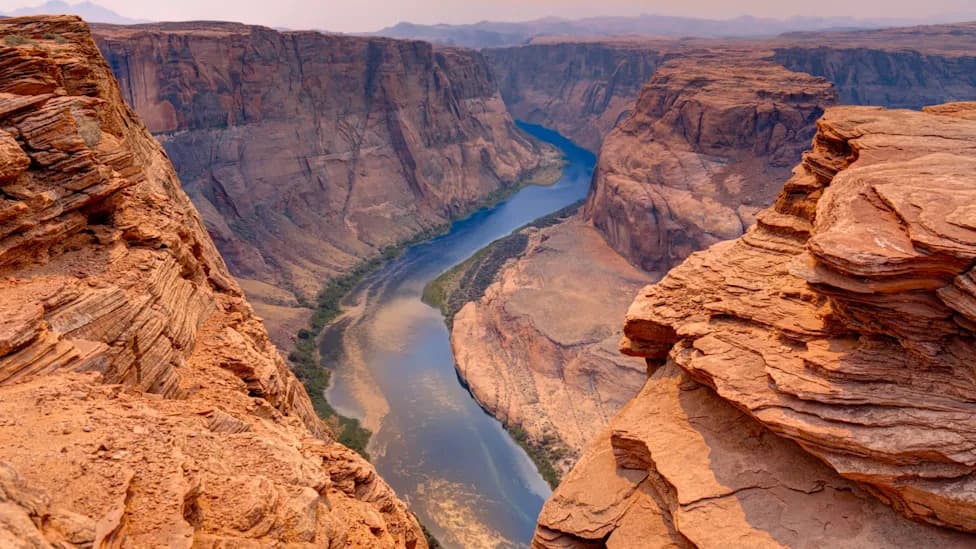
River flows have fallen by about 20% since 2000, and climate models suggest they could decline by as much as 31% by 2050. As of 2026 the system’s two largest reservoirs are at critical levels: Lake Powell is roughly 25% full and Lake Mead about 34% full. Upper Basin groundwater declined by approximately 11.8 million acre-feet from 2002–2024 — roughly 72% of federal reservoir storage capacity — and that depletion rate has accelerated in recent years.
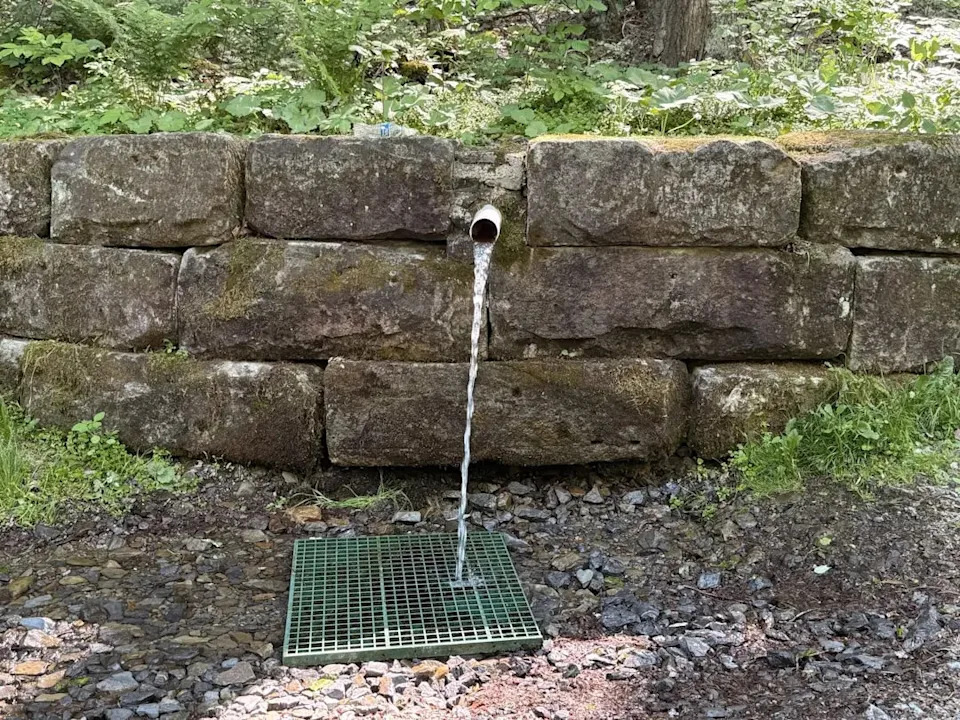
The Hidden Crisis Below Ground (Image Credits: Unsplash)
Governance Deadline
The rules that govern releases from Lake Powell and Lake Mead (the 2007 Interim Guidelines and the 2019 Drought Contingency Plans) expire at the end of 2026. The Bureau of Reclamation has issued a draft environmental impact statement with four alternatives and aims to select a preferred plan in 2026. States missed an earlier consensus deadline, increasing the risk of litigation and leaving high-stakes decisions in the hands of distant courts if negotiations fail.
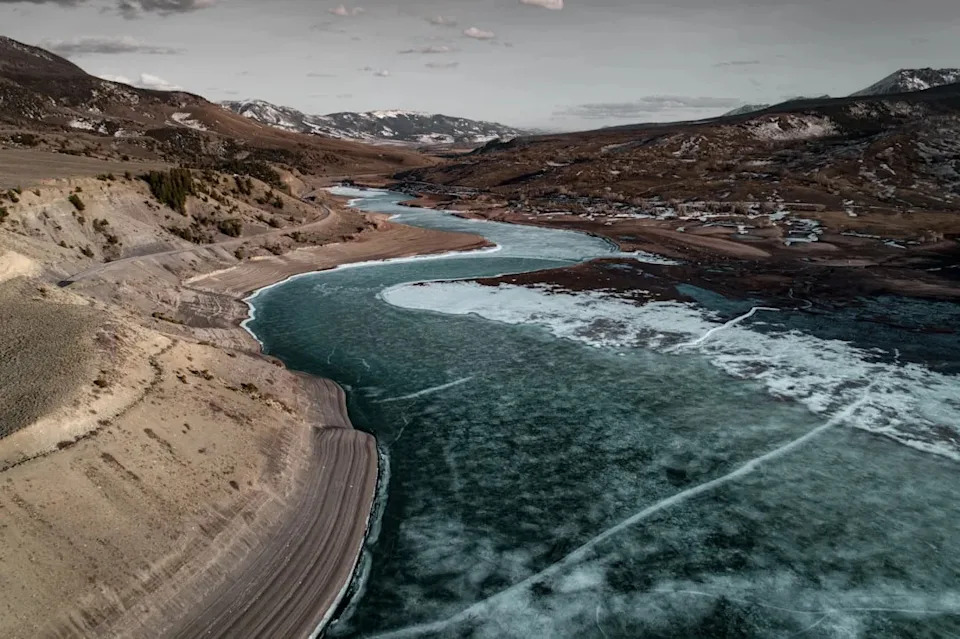
The 2026 Deadline: A Pivotal Moment for the River’s Future (Image Credits: Unsplash)
On-the-Ground Responses
Conservation and Urban Efficiency: Cities are expanding indoor and outdoor conservation programs, turf-replacement grants, and investments in system upgrades so that urban water use becomes infrastructure rather than optional conservation.
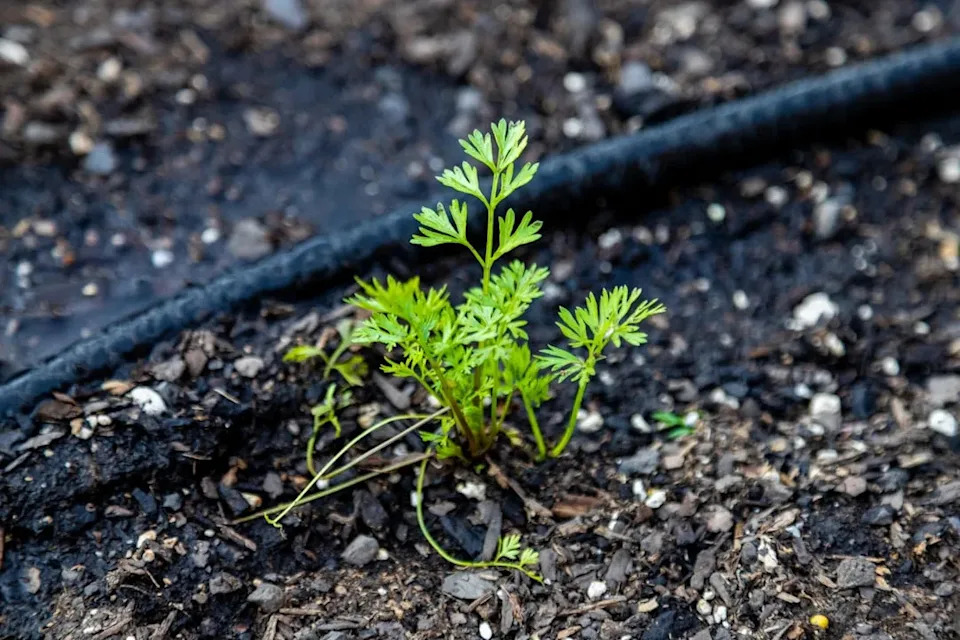
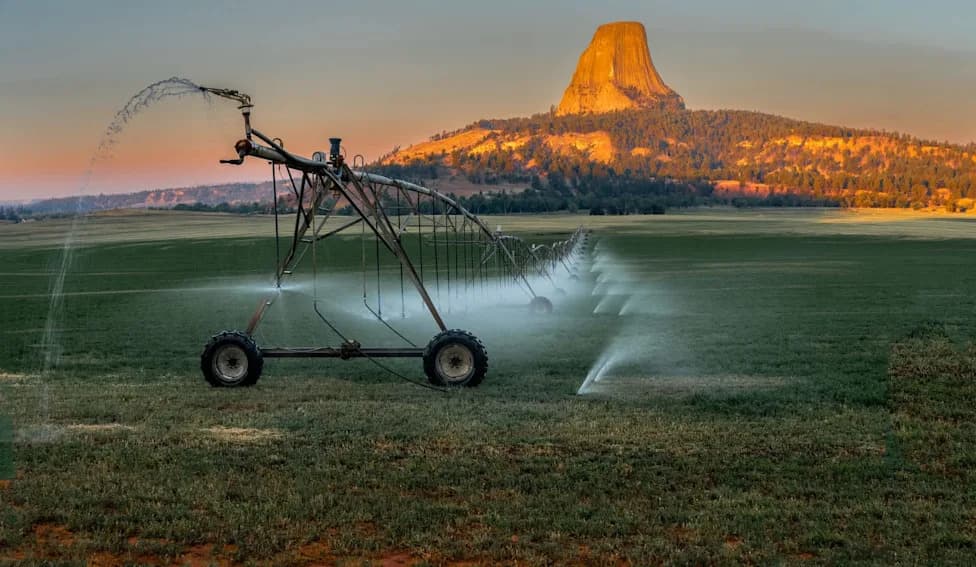
Agricultural Reform: Where the Biggest Savings Live (Image Credits: Unsplash)
Agricultural Savings: Agriculture accounts for roughly 60% of basin water use, so farmers are central to any durable solution. Precision irrigation, drip systems and soil-moisture sensors are being scaled up, often supported by financial incentives that pay growers to conserve water.

Water Recycling and Reuse: A Scalable but Underused Tool (Image Credits: Unsplash)
Financial Incentives: Federal drought mitigation funding — more than $4 billion in recent allocations — has paid water users across the basin to temporarily reduce withdrawals, producing measurable short-term savings while longer-term reforms are considered.
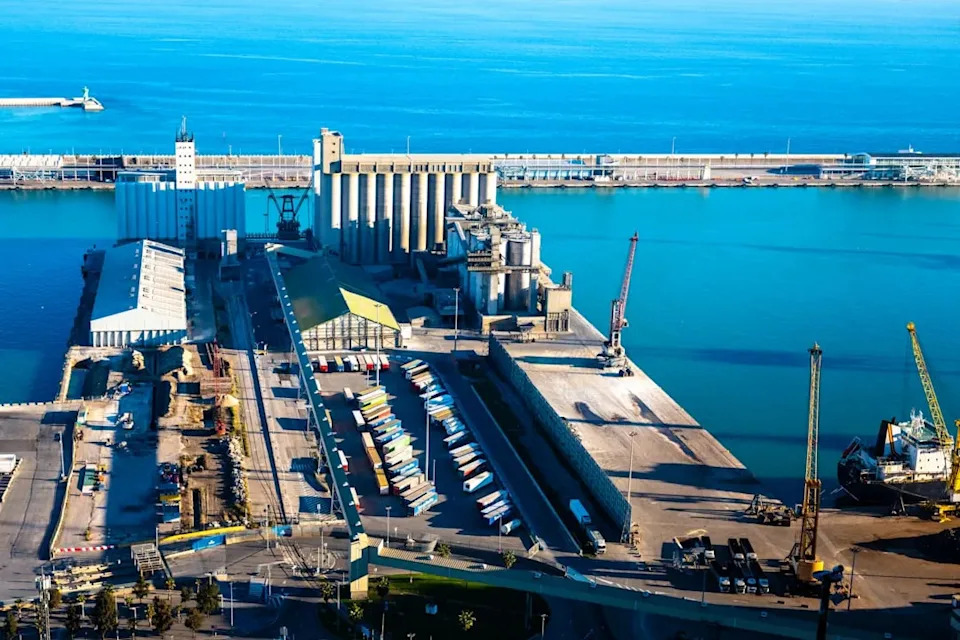
Desalination: Ocean Water as a Long-Term Buffer (Image Credits: Unsplash)
Supply Augmentation: Recycling and Desalination
Water recycling programs and desalination are moving from concept to operations in parts of the basin. The Interior Department committed $281 million to 21 recycling projects expected to add about 127,000 acre-feet per year, and Reclamation is investing $8.3 billion through the Bipartisan Infrastructure Law for water purification, reuse, storage, conveyance, desalination and dam safety.
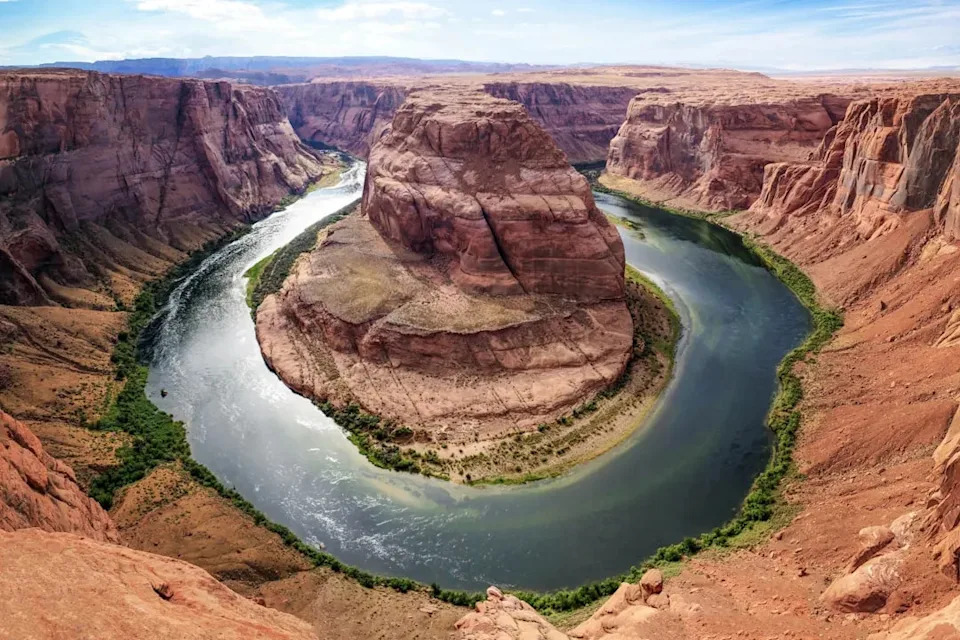
Water Markets and Flexible Savings Accounts (Image Credits: Unsplash)
Proposals include large coastal desalination plants and inland brackish-water treatment that could produce hundreds of thousands of acre-feet, though desalination remains energy-intensive and costly. A memorandum of understanding at the Carlsbad desalination facility signals growing interest in interstate exchanges that combine desalinated and recycled supplies.

Turf Replacement and Urban Conservation Programs (Image Credits: Unsplash)
Water Markets, Conservation Pools, and Tribal Inclusion
Thoughtful water markets and flexible conservation accounts can align economic incentives with ecological goals and help move water to high-value uses, including habitat restoration. Current rules often limit where conserved water can be stored — for example, conserved Lower Basin water is frequently restricted to Lake Mead rather than being available upstream in Lake Powell and the Grand Canyon. Expanded, flexible conservation pools could improve river health and operational stability.
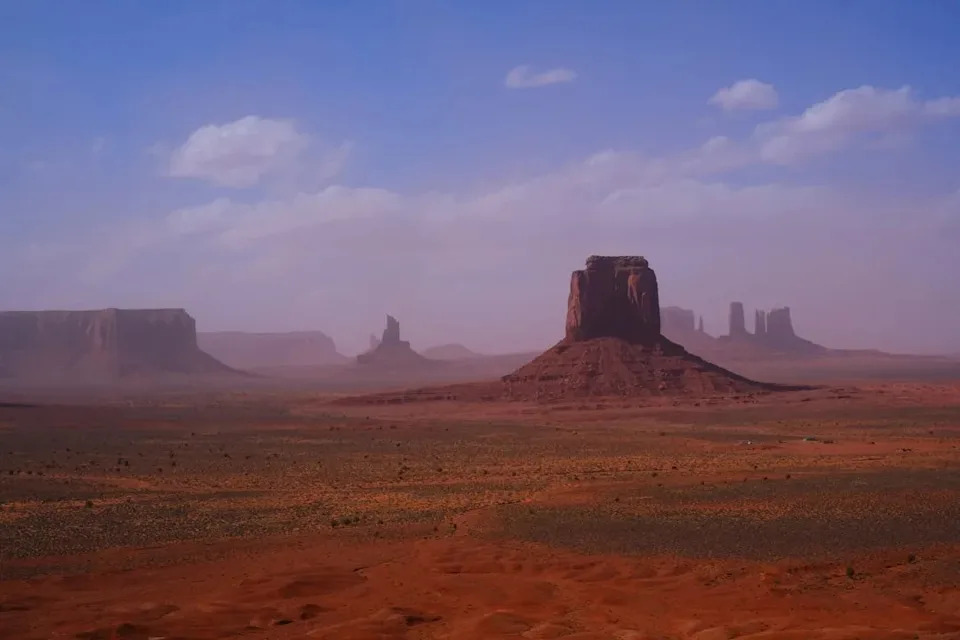
Tribal Nations: Rights, Voice, and a Path Forward (Image Credits: Unsplash)
The basin includes 30 federally recognized Tribal Nations that hold about one-fifth of senior Colorado River water rights. Meaningful tribal inclusion in negotiations and implementation is essential to reach durable, equitable outcomes.
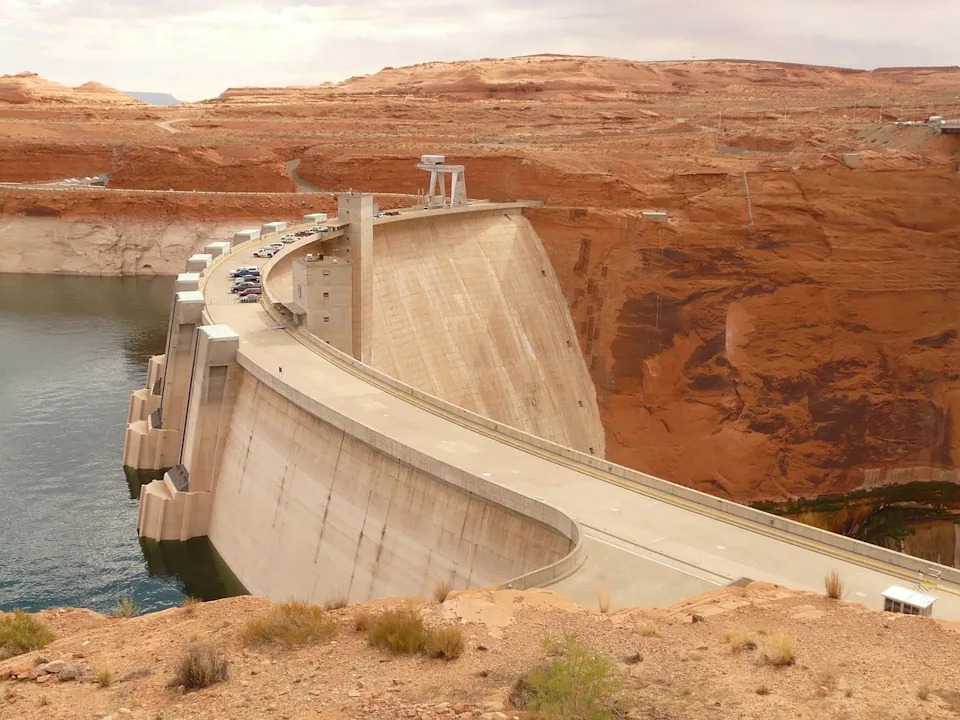
The Hydropower Stakes and the Threat to Glen Canyon Dam (Image Credits: Pixabay)
Energy and Climate Risks
Declining reservoir levels threaten hydropower: projections in 2026 indicated a potential 40% drop in Hoover Dam output if Lake Mead declined by 20 feet, and falling Lake Powell levels endanger hydropower relied on by roughly five million people. Researchers describe the region’s situation as a persistent "hot drought"—higher temperatures plus reduced snowpack that together lower spring runoff, the river’s main supply.
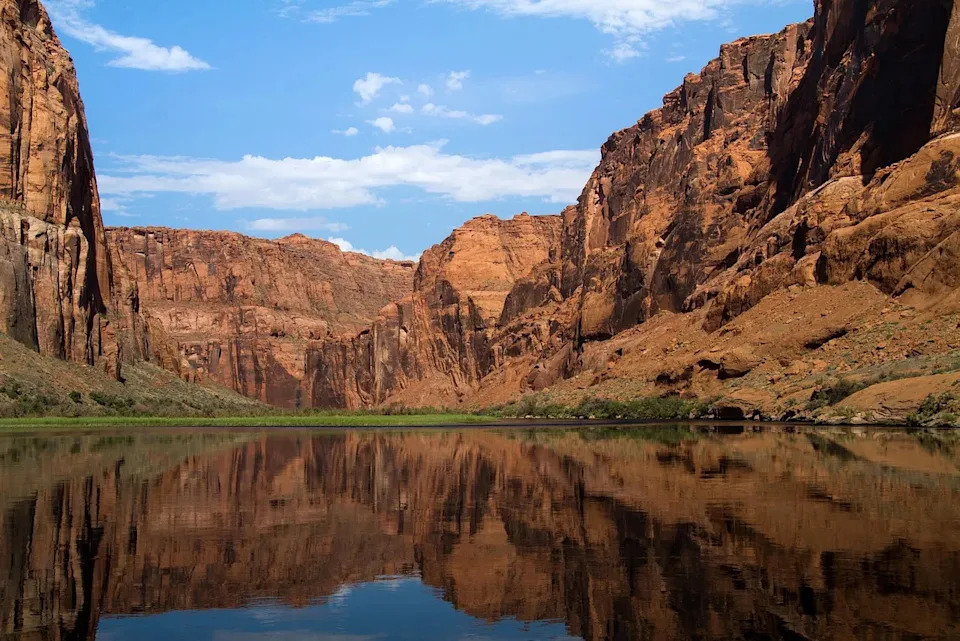
Conclusion: Urgency, Innovation, and the Long Game (Image Credits: Pixabay)
What Needs to Happen Next
Short-term incentives are producing savings, but long-term stability requires integrated reforms: enforceable groundwater management, sustained demand reduction across urban and agricultural sectors, strategic investments in recycling and desalination where cost-effective, expanded conservation pools, well-designed water markets that protect ecosystems, and full inclusion of Tribal Nations. Above all, the region must plan around a drier, warmer baseline rather than assuming historic flows will return.
Bottom line: The Colorado River’s 2026 crossroads demands coordinated policy, targeted investments and political courage. The technical tools exist — the challenge now is implementation at scale and across jurisdictions.
Note: This article was produced with AI assistance and reviewed by a human editor.
Help us improve.