The Phantom Hacker scam uses staged tech-support alerts, fake bank calls, and government impersonation to pressure victims — often retirees — into moving their own savings to criminals. Officials say coordinated attacks have stolen more than $1 billion since 2024 and have included in-person cash or precious-metal pickups. Key defenses: never grant remote access, hang up and call your bank using a trusted number, and report fraud quickly to IC3.gov. Seniors can call the DOJ Elder Justice Hotline at 1-833-FRAUD-11 for help.
Phantom Hacker Scam: How a Fake Tech Alert Can Drain Your Retirement
Image Credit: Shutterstock.
A deceptive computer alert can be the opening move in a fraud that convinces people to move their own retirement funds out of reach.
The so-called "Phantom Hacker" scam rarely starts with a bank break-in. Instead it unfolds in staged steps: a bogus tech-support warning, a convincing call from a fake bank representative, and finally a counterfeit government contact insisting the victim transfer funds into a supposedly protected account.
How the Scam Works
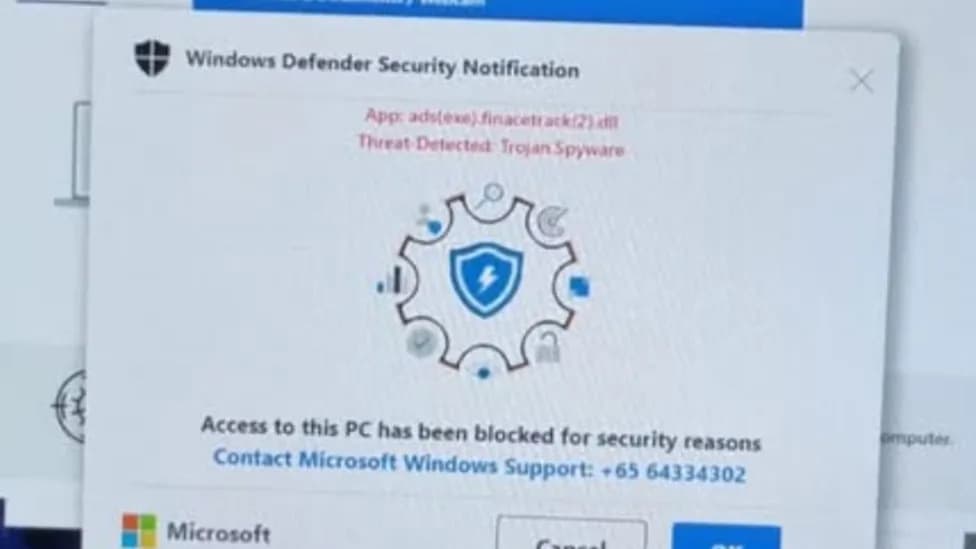
The scheme typically begins with a pop-up, phone call, text, or email claiming the victim's computer or financial information is at risk and telling them to call a customer-support number.
According to the FBI’s Internet Crime Complaint Center (IC3), scammers pose as technology or customer-support representatives and instruct victims to install software that grants remote access. The impostor runs a fabricated security scan and claims the machine has been breached.

Image Credit: Pixabay/Pexels.
With remote access, the scammer can view account names, balances, and recent transactions. The next step is a second caller who pretends to represent the victim’s bank, brokerage, or other financial institution and warns that funds have been compromised — often citing details the scammer already observed.
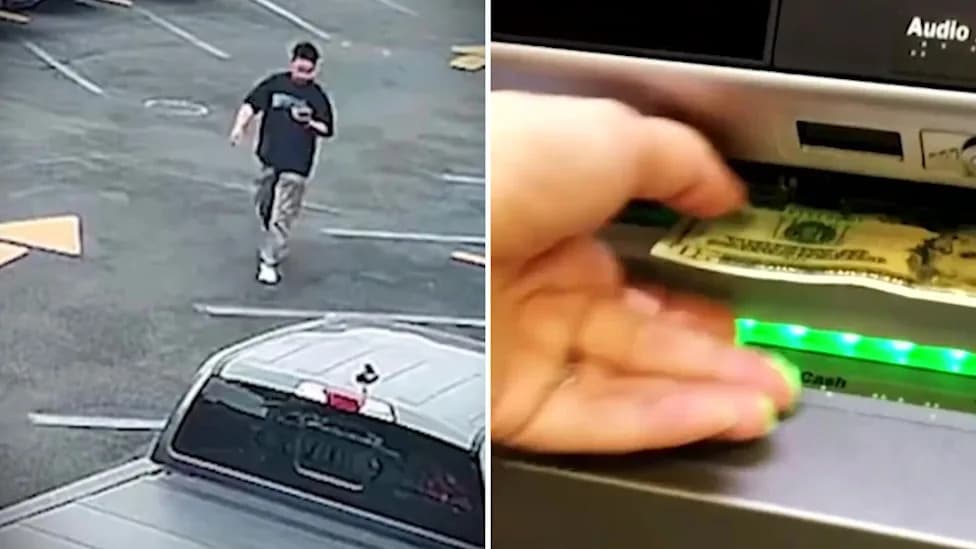
Under pressure, victims are instructed to move money immediately — by wire, cash pickup, cryptocurrency, or prepaid/gift cards — into an "alias" or "government-protected" account. In some cases, scammers arrange couriers to pick up cash or precious metals in person. The FBI and New York Attorney General warn that victims are then often cut off from their funds and never hear from the criminals again.
Why It Works
Multiple callers, each posing as a different authority, create a false consensus and heighten urgency. Insisting on secrecy — "don't tell anyone" — is a major red flag.
The New York Attorney General has warned that coordinated Phantom Hacker operations have stolen more than $1 billion from people near or past retirement age since 2024. IC3 also reported aggregated losses exceeding $55 million tied to courier pickup schemes from May to December 2023.
How to Protect Yourself
- Never give remote access to an unknown caller or click links in unsolicited pop-ups, texts, or emails.
- If you receive a call about your bank account, hang up and call the institution directly using the number printed on a bank statement or on the back of your card.
- Be suspicious if a caller insists on secrecy or pressures you to move money immediately.
- The U.S. government will never ask you to transfer money to a secret Federal Reserve, FBI, or other "protected" account, nor will it request payment by wire, cryptocurrency, or prepaid gift cards.
- If instructed to liquidate assets (cash, gold, silver), treat the request as a red flag — criminals often use promises of safekeeping as a ruse.
Report and Get Help
The FBI asks victims to report suspicious activity or losses to IC3 at IC3.gov as soon as possible. Helpful details include the names or company aliases used by the scammers, phone numbers, email addresses, websites, communication methods, and any receiving bank-account information.
For victims age 60 or older who need assistance filing an IC3 complaint, the DOJ Elder Justice Hotline is available at 1-833-FRAUD-11 (833-372-8311).
Help us improve.