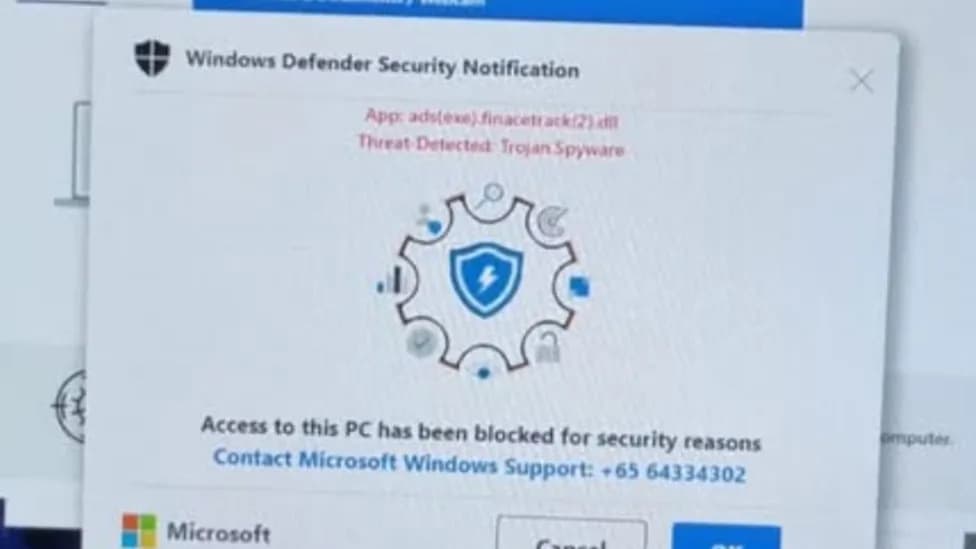
A 76-year-old woman in New York was scammed out of $60,000 after responding to a deceptive text that falsely warned of trouble with her Apple Pay account, Nassau County police said. The message claimed an extra $30,000 had been added to her account and included a phone number she called.
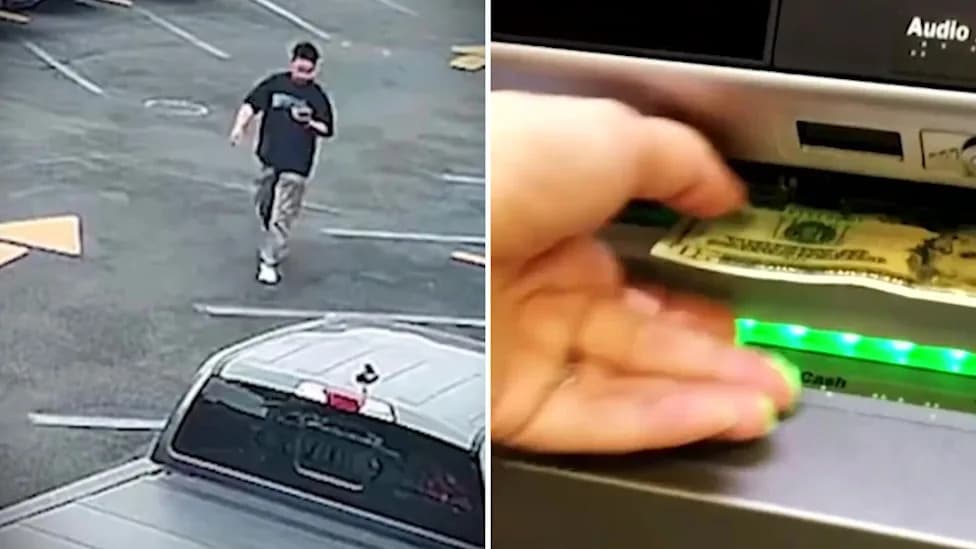
Investigators say the person who answered posed as a bank employee and instructed the victim to withdraw $30,000 in cash and deliver it to a street corner in Williston Park. After the first handoff, the fraudsters repeated the scheme and convinced her to withdraw another $30,000, bringing her total loss to $60,000.
Police Investigation and Warnings
Nassau County detectives are reviewing video and trying to identify a man captured picking up the cash. Officers said the scammers appeared to become bolder after the initial handoff succeeded.
"Since they were successful, that success breeds confidence," a law-enforcement official told ABC7.
Police emphasized that older adults are common targets because they may assume messages and callers are legitimate and feel pressure to act quickly. Social media posts—public birthday messages or family photos—can provide scammers with personal details used to identify vulnerable people, officers warned.
How To Protect Yourself And Loved Ones
No legitimate bank will ask you to withdraw tens of thousands of dollars and hand it to a stranger. If you receive an unsolicited alert about account trouble, do not call the number in the message. Instead:
- Call the phone number on the back of your debit or credit card, use the bank's official app, or visit a local branch.
- Pause and verify: talk to a trusted family member or friend before acting.
- Never hand cash to someone you don't know or follow instructions to meet a stranger.
- Limit how much personal information you share publicly on social media.
Police encouraged anyone with video or information about the Williston Park handoffs to contact Nassau County detectives. "Nobody's gonna call you. So call us. Call the cops," an officer said in the report.
Why This Scam Works
Scammers often sound official and create urgency, pushing victims to act before they can confirm details. Similar schemes have involved fake bank numbers, impostors claiming to be federal agents, or fraudulent investment pitches that pressure victims to transfer money immediately.
Authorities continue to investigate and urge vigilance, especially among older adults and their families.