San Juan province in western Argentina faces acute water scarcity: annual rainfall barely exceeds 100 mm, rivers are flowing at historic lows and glaciers have shrunk by roughly 17% over the past decade. Locals fear expanding mining for copper and lithium will further deplete and potentially contaminate scarce water supplies. Scientific debate and recent changes to glacier protections have intensified political tensions, while past mining spills have eroded public trust.
Andes Under Strain: San Juan's Water Crisis Intensifies as Mining Expands
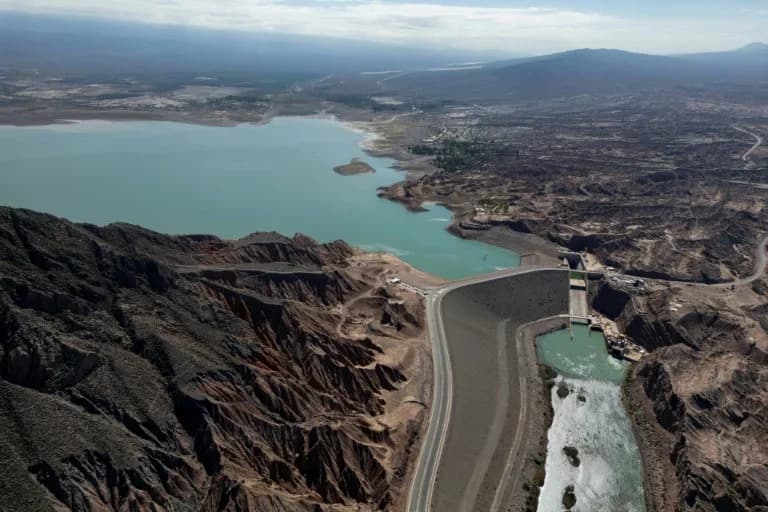
The Argentine province of San Juan sees just over 100 millimeters of rainfall every year (Luis ROBAYO)(Luis ROBAYO/AFP/AFP)
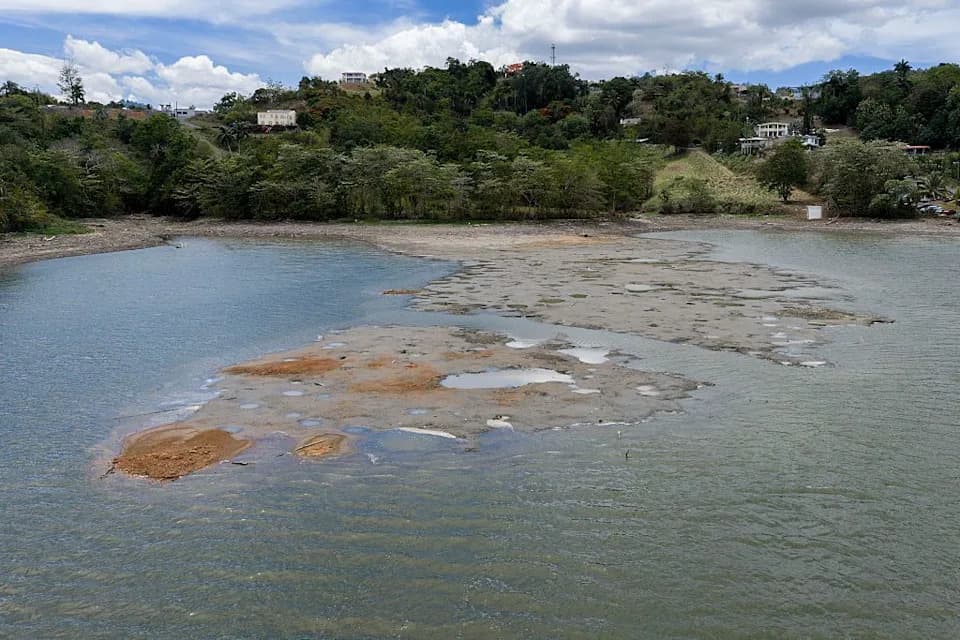
San Juan's rivers, once clear and steady, are now running at historic lows. Prolonged drought, shrinking glaciers and rising temperatures have left the mountainous western Argentine province grappling with severe water scarcity. Locals fear that expanding mining for copper, lithium and other minerals will further stress the region's limited water supplies and damage fragile glacial sources.
Dry Lands, High Stakes
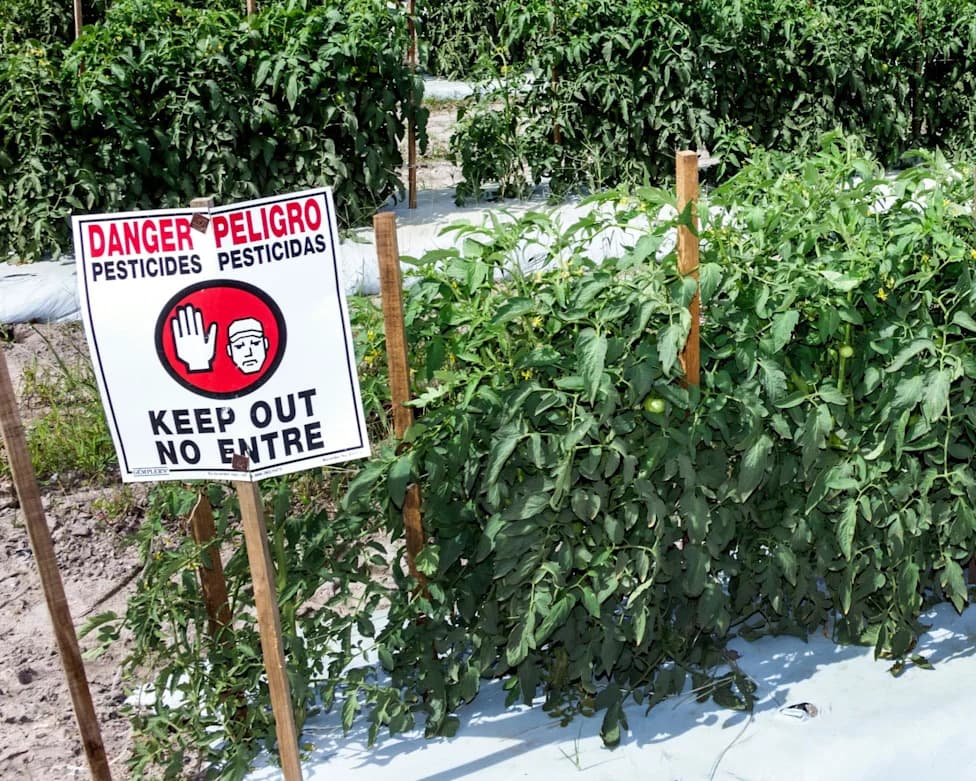
The province receives just over 100 millimeters of rain a year, leaving much of San Juan classified as desert. Only about 3% of the land is arable, and water shortages mean roughly one-third of that area is actively cultivated. Despite these limits, San Juan is a major national producer of olive oil, grapes, tomatoes and pistachios.
Rivers and Glaciers in Retreat
Snowfall and more than 4,000 glaciers feed the two principal rivers that supply most of the province's irrigation. Experts report that river flows have fallen to nearly half their historical average, a decline that—according to local geologists—has already exceeded the worst-case scenarios modelled by the United Nations in 2000. Glaciologists estimate glaciers in northwest Argentina have shrunk by about 17% over the past decade.
"We are in a scenario of permanent scarcity," said provincial production minister Gustavo Fernandez.
Disputed Contributions and Political Flashpoints
Scientists disagree about exactly how much the region's debris-covered glaciers contribute to river flow. Geology professor Silvio Pastore estimates their share is modest, while glaciologist Juan Pablo Milana argues glaciers can provide two to three times more water in seasons when snowfall is low. This scientific uncertainty has become politicised: earlier this year, President Javier Milei amended protections for glaciers, allowing provinces greater leeway to redefine protected areas—a change environmental groups have legally challenged.
Mining: Jobs Versus Water
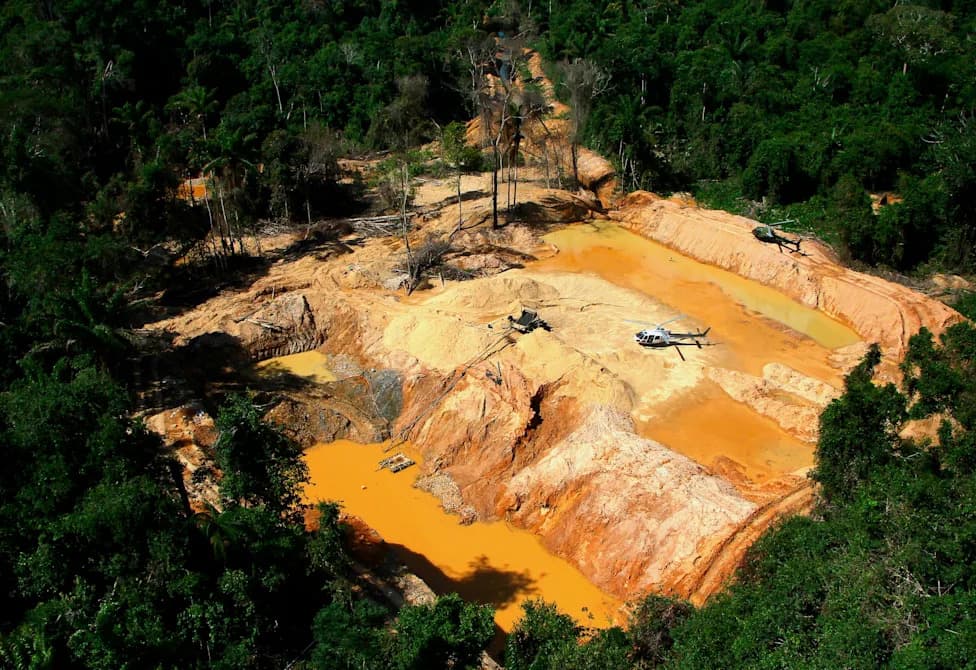
Mining activity has surged as companies target copper, lithium and other minerals. Residents welcome potential jobs but worry mines will consume scarce water and risk contamination. Mining generally uses less water than agriculture, but in San Juan every drop matters. Critics warn that without robust oversight, extraction projects could accelerate ecosystem damage and further imperil local livelihoods.
Lawyer and activist Raul Orduna warned: "Our water system is in intensive care... Would you have a person who is in intensive care donate blood?" Past incidents have deepened mistrust: three toxic spills at a Barrick Gold mine between 2015 and 2017 contaminated provincial rivers to varying degrees.
Pathways To Relief
Provincial officials say significant water savings are possible. Minister Fernandez estimates that up to 40% of agricultural water could be conserved through public investment in infrastructure and more efficient irrigation techniques. Companies and government officials claim new mining projects will meet strict environmental standards, but many locals remain sceptical given past spills and perceived gaps in oversight.
Vineyard owner Nicolas Yanzon captures the dilemma many residents face: he does not oppose mining outright but insists any development must be sustainable. "If it's development, it has to be sustainable," he said. "Because if it's not, then it's not development."
Help us improve.