Lydia, a three-year-old from Sydney, developed pneumonia and invasive group A strep after testing positive for influenza A; the infections progressed to sepsis and required more than two weeks of hospital care and two surgeries. She made a full recovery but later experienced temporary hair loss, a common response to severe illness. Her mother now regrets missing routine vaccinations after clinicians said immunisation likely would have prevented such a severe course. The case highlights rising flu activity in Australia, including a fast-moving strain nicknamed “Super-K,” and the importance of vaccination and other preventive measures.
3-Year-Old’s Flu Escalates to Sepsis: Lydia’s Ordeal and the Case for Vaccination
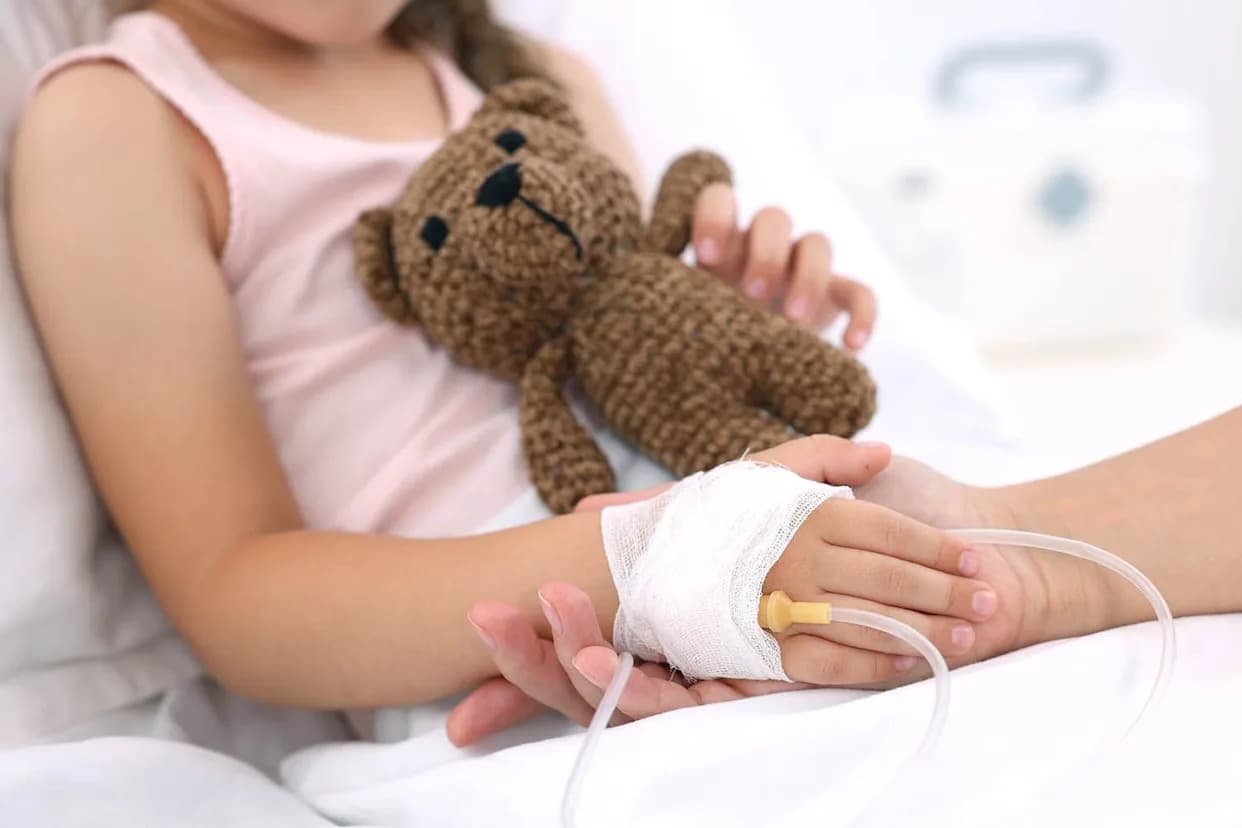
Stock photo of young girl in the hospital.Credit: Getty
Three-year-old Lydia Stone of Sydney was first diagnosed with influenza A and sent home to rest — but her condition rapidly deteriorated and within days she was fighting for her life in hospital with pneumonia, invasive group A streptococcal infection and sepsis.
Illness, Hospitalisation and Surgery
Lydia’s mother, Cordelia Stone, says a doctor initially advised rest after the influenza A diagnosis. When she sought a second opinion the following day she was told not to return home and to go straight to hospital. Lydia spent more than two weeks as an inpatient — first at Hornsby Hospital and then in intensive care at The Children’s Hospital at Westmead in Sydney.
During that time Lydia developed swollen limbs, peeling skin and a collapsed left lung. Physicians diagnosed pneumonia and an invasive group A streptococcal infection that progressed to sepsis. She underwent two operations to drain infected fluid that had collected around her lungs.

Stock photo of a young girl in the hospital.Credit: Getty
“You never think that your child will get that sick,” Cordelia told reporters. “I would never wish it on anyone.”
Recovery and Aftereffects
After intensive treatment Lydia eventually made a full recovery and was discharged from hospital. About three months later she began to lose hair in clumps; her general practitioner explained this can be a normal response after the body endures severe physical trauma (a condition commonly referred to as telogen effluvium).
Vaccination and Public Health Context
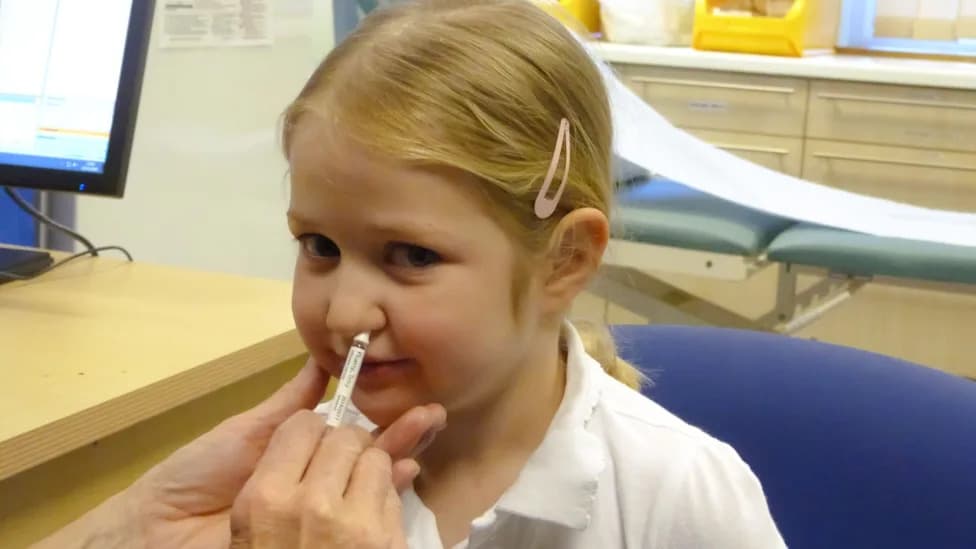
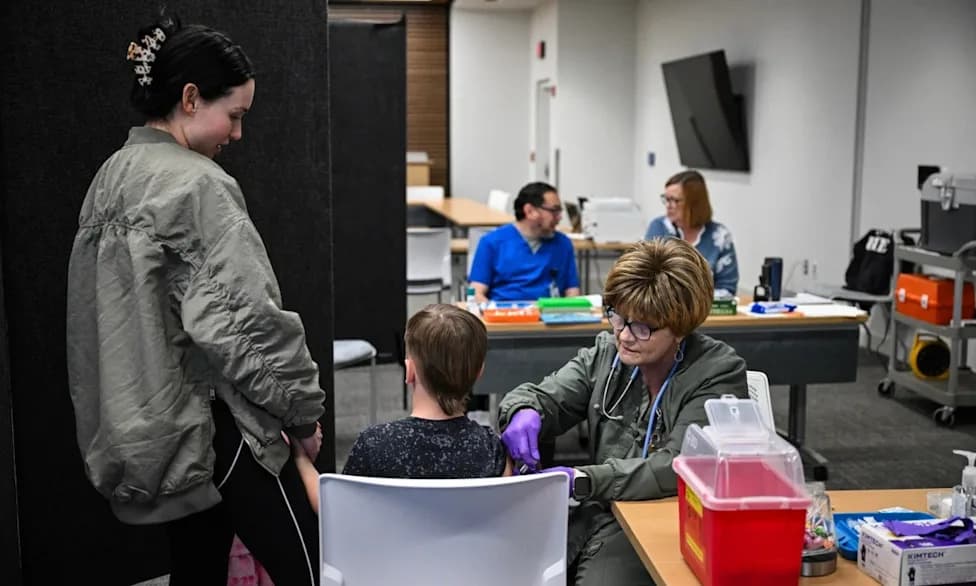
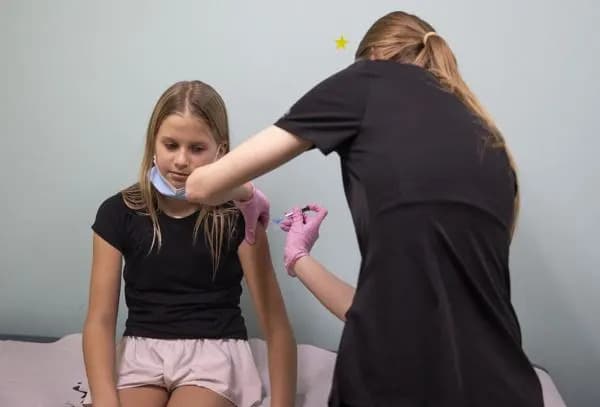
Cordelia said she now regrets being “too busy” to keep routine immunisations up to date for her children. Clinicians at Westmead told the family they believed it was unlikely Lydia would have required such intensive care had she been vaccinated against influenza. Cordelia said, “I will never miss a vaccination again.”
Last year, 4,256 children in Australia were hospitalised with the flu. Researchers at the Commonwealth Scientific and Industrial Research Organisation (CSIRO) have warned that a fast-moving influenza strain nicknamed “Super-K” is circulating across the country.

The Children’s Hospital at Westmead in AustraliaCredit: Google Maps
Who Is At Higher Risk — And How To Reduce Transmission
Health authorities note that young children under five, people aged 65 and over, pregnant people and those with weakened immune systems face a higher risk of severe complications from influenza. Common symptoms include fever, chills, cough, sore throat and a runny nose.
Practical measures to reduce flu transmission include vaccination, staying home when symptomatic, frequent handwashing, improving indoor ventilation and wearing masks around others when illness is present.
Note: PEOPLE reached out to The Children’s Hospital at Westmead for comment but did not receive an immediate response.
Help us improve.