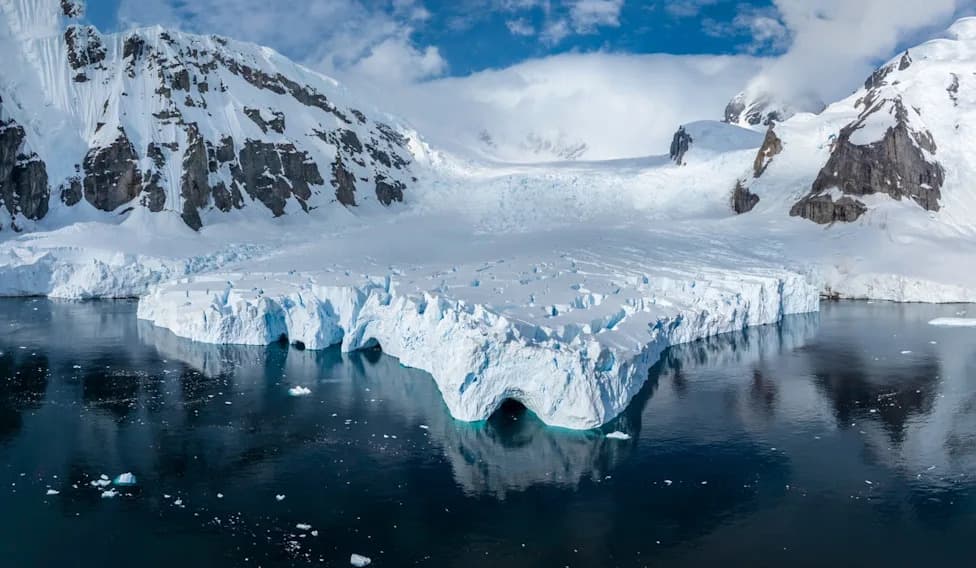
Scientists recorded an extreme Antarctic heatwave on June 6, with temperatures up to 15.4 °C (59.7 °F) on the Trinity Peninsula — roughly 20 °C (36 °F) above normal. Warm rain melted glacier surfaces that are normally snow-covered, and subsurface measurements beneath Thwaites Glacier show warmer-than-expected waters. Experts say the event aligns with decades of polar warming linked to climate change and warn Antarctic melt could accelerate dramatically by 2100 if emissions are not reduced.
Scientists Sound Alarm After Extreme Antarctic Heatwave Sends Temperatures Soaring
Shutterstock / Futurism
Researchers monitoring Antarctic weather reported an unprecedented early-June heatwave that sent temperatures far above seasonal norms across large areas of the continent.
On June 6, teams stationed on the Trinity Peninsula — the continent's northernmost point — recorded temperatures as high as 15.4 °C (59.7 °F), roughly 20 °C (about 36 °F) above the expected average for this time of year.
Raúl Cordero, a climate professor at the University of Groningen, described the event as "absolutely crazy," noting the anomaly is about 20 °C above normal and part of a longer-term trend of rising Antarctic temperatures.
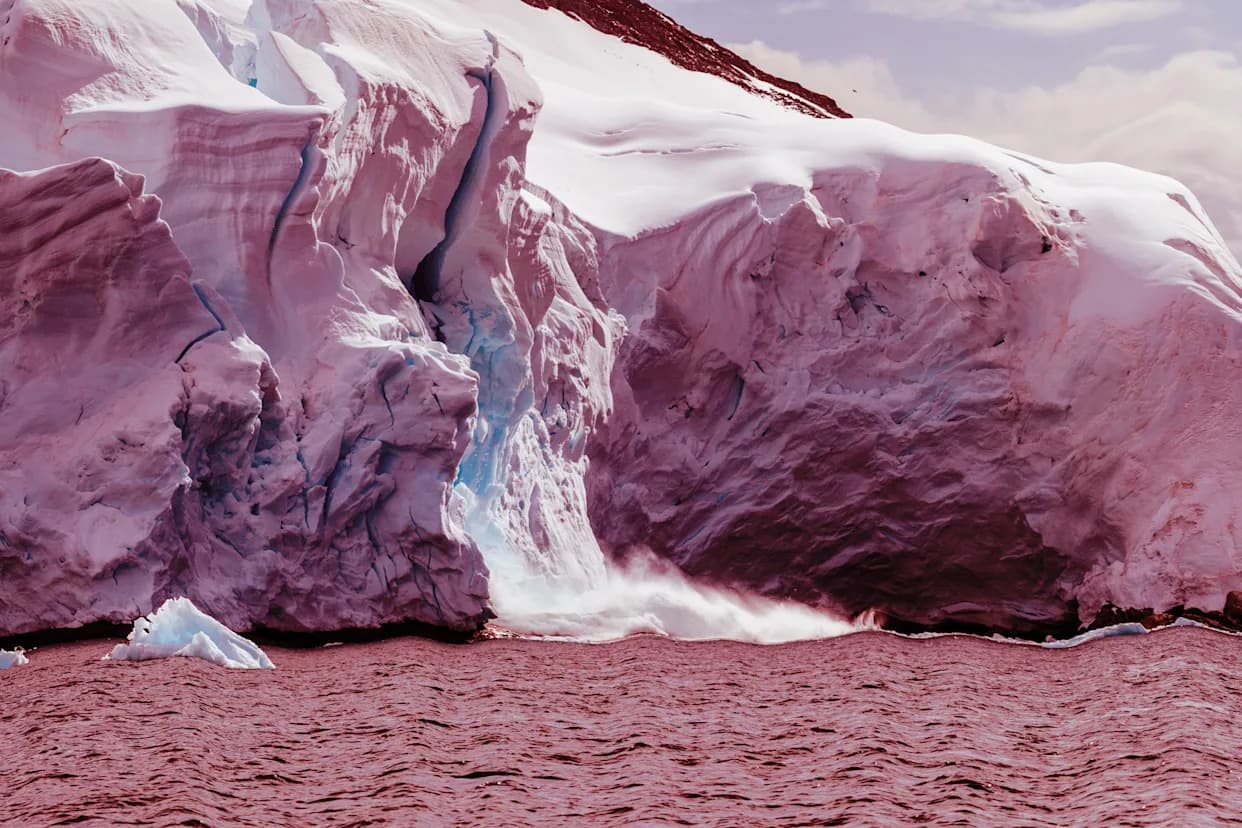
Chilean glaciologist Luis Muñoz reported that during a recent ascent of the Collins Glacier on the northwestern tip of the Trinity Peninsula, warm rain fell and melted surface ice that is normally covered by roughly 20 cm of snow at this time of year. "There was a direct impact on the glacier, which should be receiving snow now. It should not be suffering ablation at this time of the year," he said.
The heatwave occurred as the planet recorded its second‑warmest May on record. Scientists are concerned this event adds to decades of polar warming tied to human-driven climate change and to circulation changes such as stronger westerly winds, which Cordero says have become more frequent since the 1980s.
Concerns About Glaciers and Subsurface Warming
Researchers have also been racing to monitor rapidly changing ice, including the Thwaites Glacier — often called the "doomsday glacier" because its collapse could drastically raise global sea levels. Teams attempting to install long-term monitoring arrays beneath Thwaites were largely unable to place all planned instruments, but they did collect snapshot measurements from waters under the glacier. Those readings indicate subsurface temperatures are warmer than many models anticipated.
A study by the Antarctic Research Center at Te Herenga Waka–Victoria University of Wellington warns that, without steep cuts in global carbon emissions, Antarctic melt rates could increase up to tenfold by 2100. Nicholas Golledge, a co-author of the study, said that global warming of roughly 3.5–4 °C above pre‑industrial levels would make ice shelves far more vulnerable to rapid collapse, and warming above 4 °C would further increase that risk.
"This heatwave happened because of extremely strong westerlies," Cordero said. "This has been happening with increasing frequency since the 1980s, and that is known to be related to climate change."
While a single heatwave will not by itself eliminate Antarctic ice, scientists say it underscores how extreme weather events are compounding long-term warming trends and accelerating ice loss — trends with global consequences for sea level and coastal communities.
Help us improve.