Greenpeace's analysis, reported by The Guardian, finds the ultra‑wealthy are linked to nearly $1 trillion in annual climate damages. The study shows ownership of carbon‑intensive companies, investments, and assets — not just luxury consumption — drives much of that harm. It estimates the top 1% are tied to about 40% of ownership‑based emissions while the poorest half account for roughly 3%. Greenpeace suggests policies such as wealth taxes to make the wealthiest contribute more to climate solutions.
Not Just Private Jets: Greenpeace Finds Ultra‑Wealthy Linked to Nearly $1 Trillion in Annual Climate Damage

Photo Credit: iStock
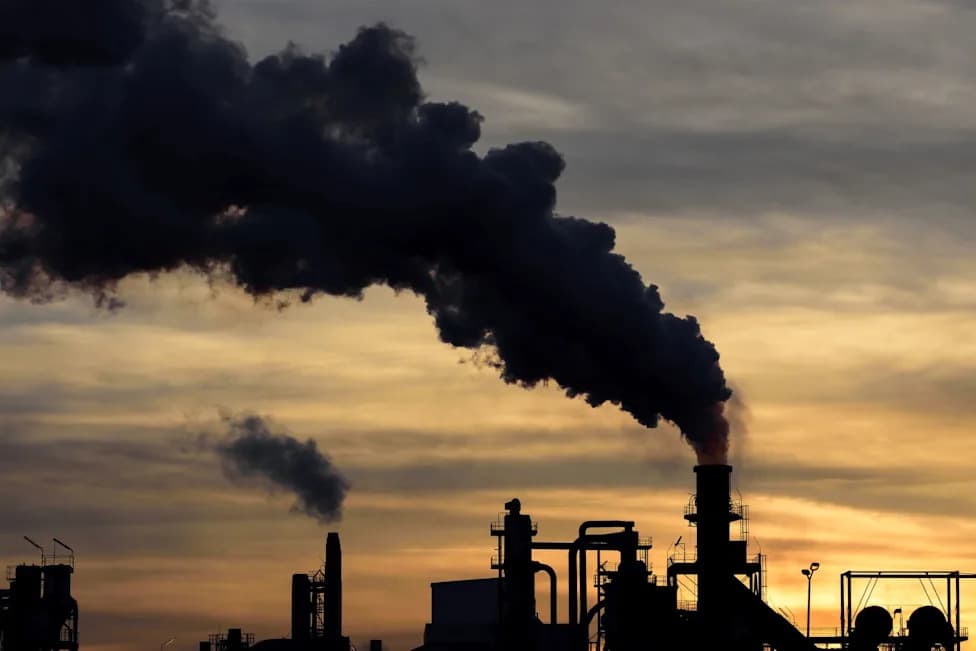
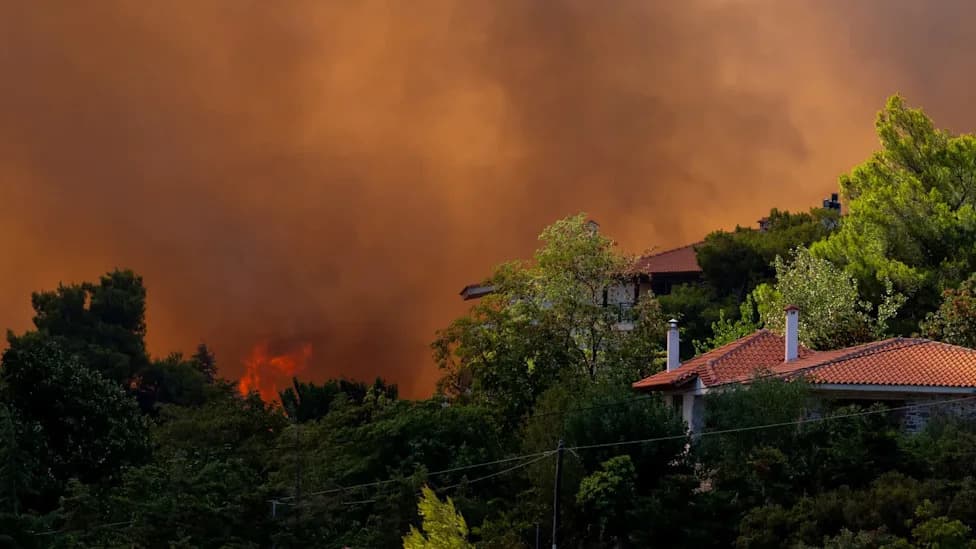
New Greenpeace analysis, reported by The Guardian, finds the world's richest people are associated with nearly $1 trillion in annual climate damages — and the harm goes well beyond conspicuous consumption such as private jets and yachts. The study shows much of the impact stems from ownership of carbon‑intensive companies, investments, and property that underpin extreme wealth.
Ownership Drives Much of the Impact
Measured on an ownership basis, the poorer half of global wealth is linked to roughly 3% of emissions, while the top 1% is tied to about 40%. Greenpeace estimates that investments and shareholdings held by the top 1% are connected to roughly one‑quarter of annual global emissions. Overall, emissions tied to businesses and privately held financial and physical assets account for roughly 60% of global carbon output.
Within that ownership‑driven total, the richest 0.1% are responsible for about 17% of emissions, and the top 0.01% for roughly 9%. The report emphasizes that these ownership‑based emissions are often invisible to the public eye, yet they can dwarf the more obvious symbols of luxury.
Policy Options and Financial Context
Greenpeace recommends policy measures such as wealth taxes to ensure those most responsible contribute more to climate solutions. The report was released alongside separate data showing major banks and other financial investors funneled about $900 billion into coal, oil, and gas last year, despite repeated promises to reduce such support.
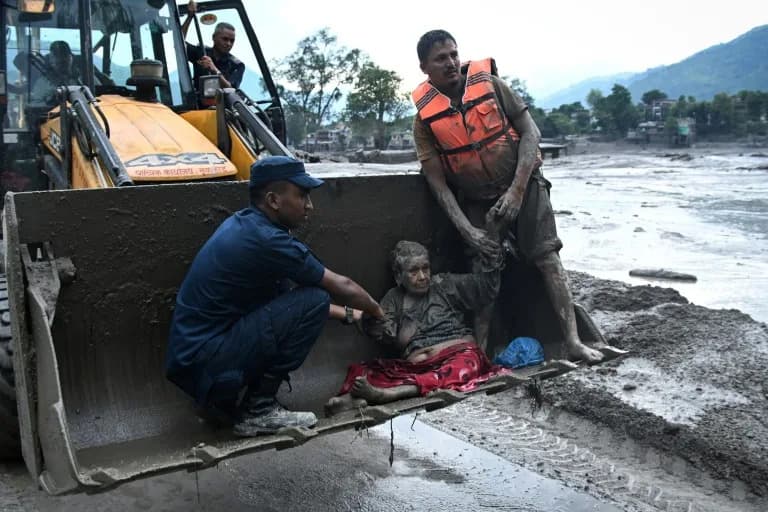
Clara Thompson, Greenpeace International's global lead campaigner on socioeconomic systems, said: "At a time when people are facing rising energy bills, rising living costs, and growing climate impacts, many are asking why ordinary households should shoulder so much of the burden, while some of the world's wealthiest people continue to profit from the industries driving the crisis."
She added: "This isn't only a story about private jets and lavish lifestyles. When it comes to the pollution of the ultra‑wealthy, ownership matters even more than consumption … Climate debt is about responsibility."
The findings highlight how tackling climate change requires not only reducing visible consumption, but also scrutinizing corporate ownership, investment flows, and the financial systems that channel capital into high‑carbon industries.
Help us improve.