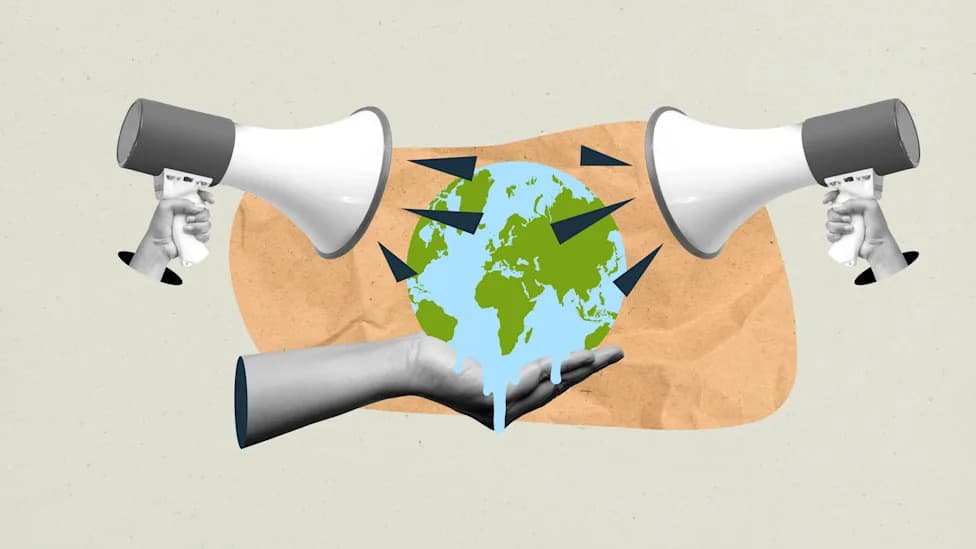
Tessa Khan told Novara Media’s Downstream that "there is no world in which you can escape the effects of climate change," arguing that wealth and belief cannot fully shield people from intensifying hazards. While lower-income communities often bear the heaviest burdens, events like wildfires, long-range smoke and stronger storms increasingly affect wealthier populations too. Scientists overwhelmingly agree human-driven warming is raising these risks, so collective mitigation, adaptation and policy solutions are essential.
No Escape: Expert Warns Climate Change Will Hit Everyone — Wealth Won't Protect You
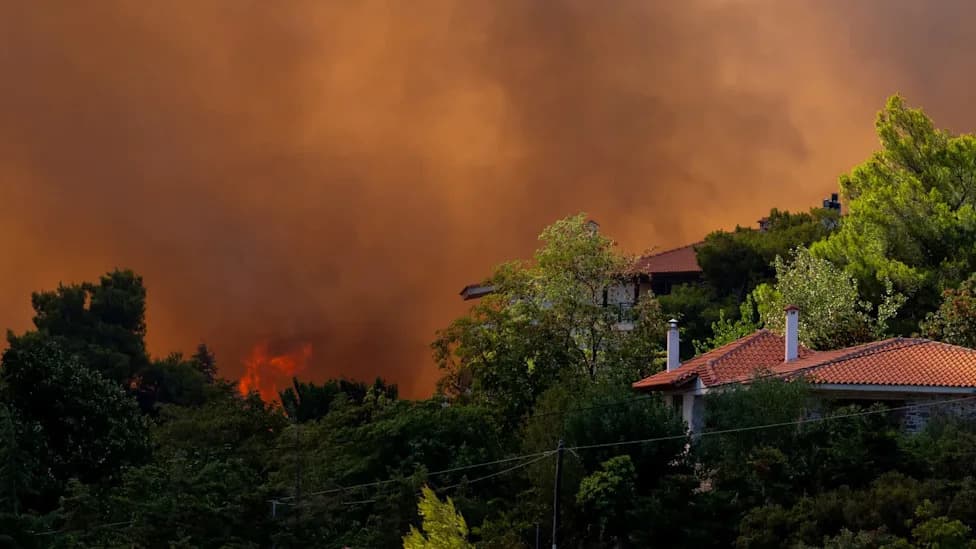
Photo Credit: iStock
Climate change is often framed as a distant threat or someone else’s problem. But Novara Media’s Downstream program this week highlighted a blunt warning from environmental lawyer and green transition expert Tessa Khan: no neighborhood, income level, or political belief can fully shield people from a destabilized planet.
Novara Media posted a short Instagram clip of host Aaron Bastani speaking with Khan about how broadly climate impacts will be felt.
“There is no world in which you can escape the effects of climate change. Even if you don't believe in climate change, climate change is coming for you,” Khan says in the clip.
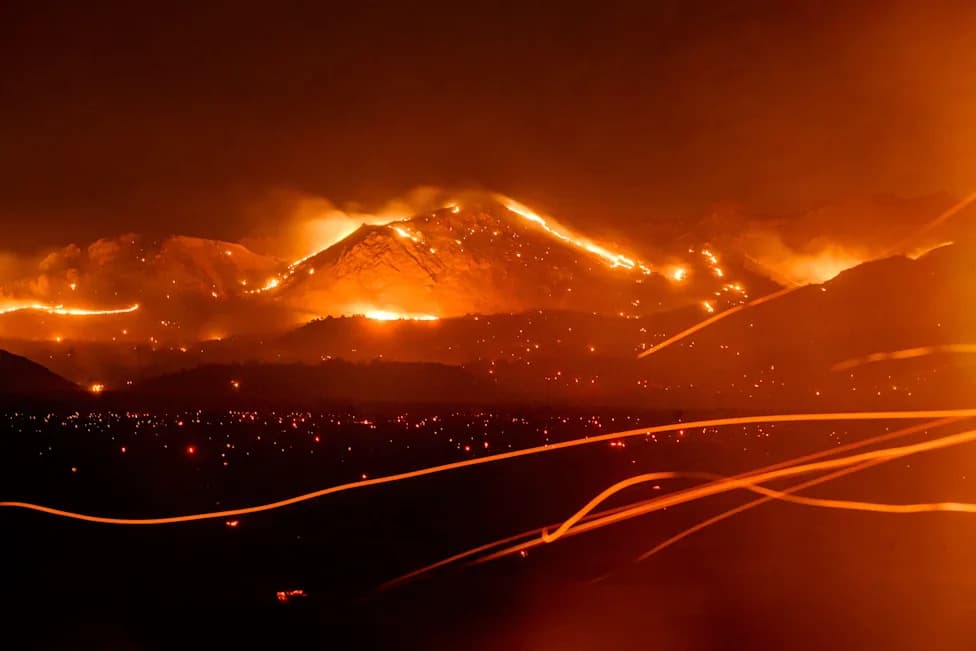
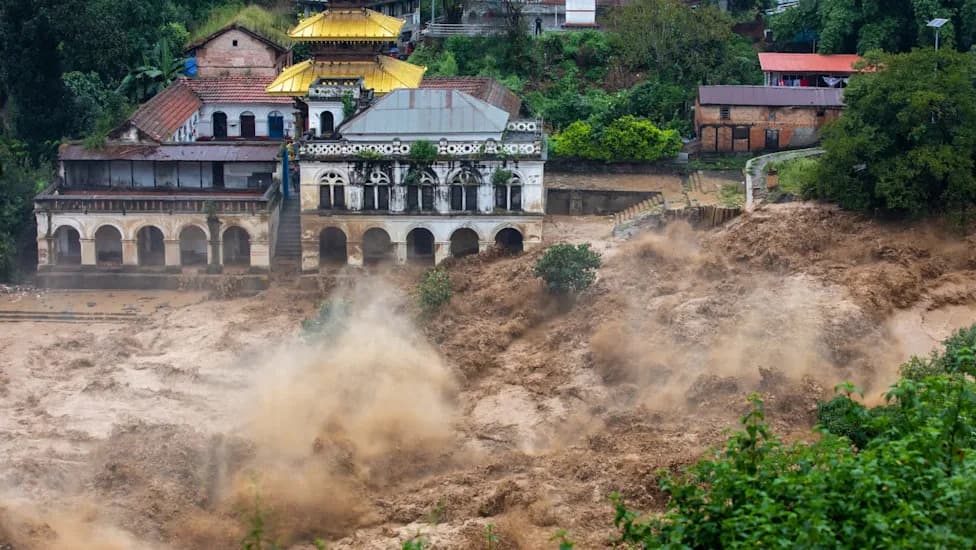
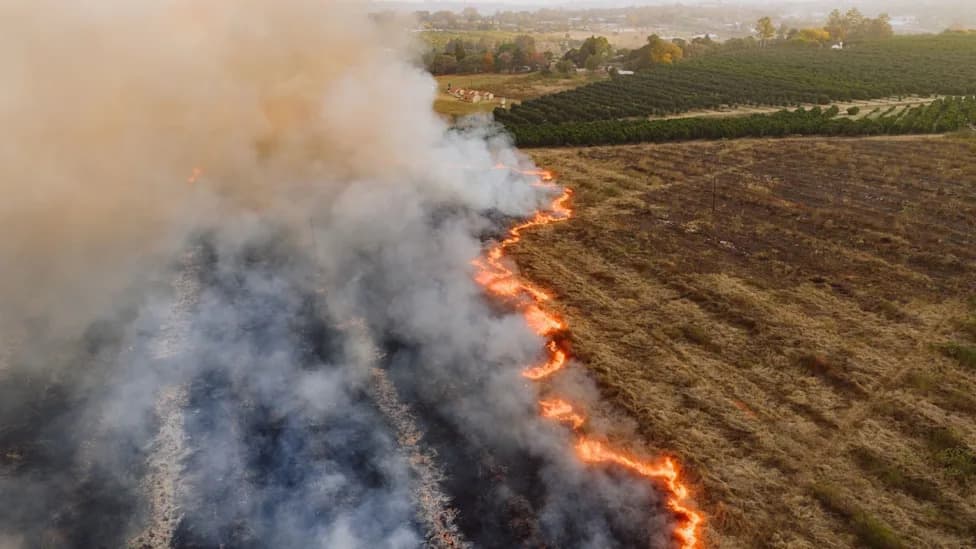
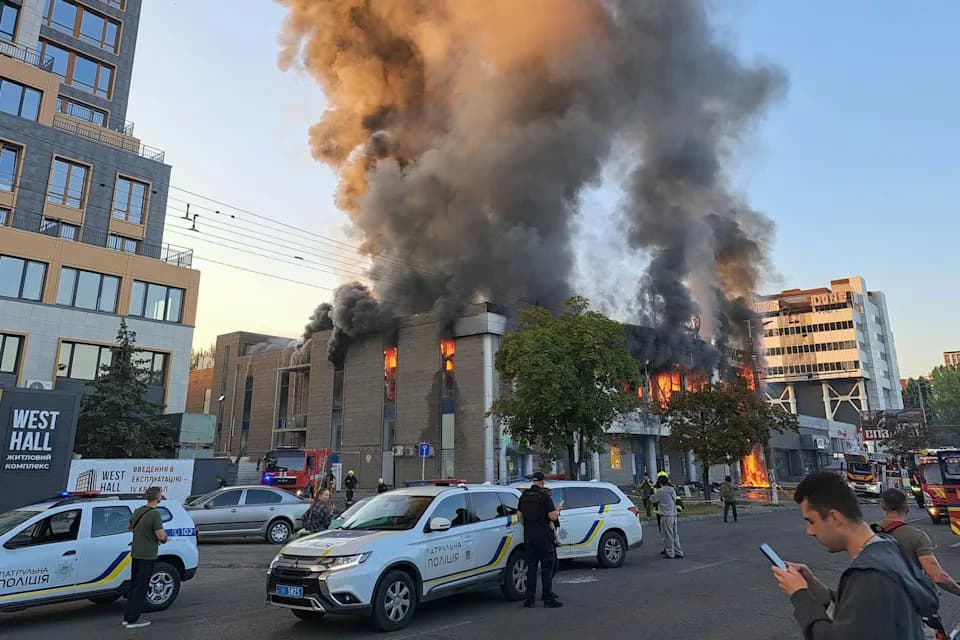
The planet’s warming intensifies extreme weather and related shocks. Those impacts typically hit low-income communities hardest — for example, when local crop failures or supply disruptions push food prices up. But Bastani and Khan stress that wealth does not make people immune: increasingly severe wildfires, cross-border smoke plumes, and storms fueled by warmer oceans can and do affect wealthier households as well.
“On the left we try to centre people most at risk — we talk about people in the Global South, we talk about the very poorest people,” Bastani says. “But often when I see stuff like the California wildfires, I say, no, we should centre the rich. Let's centre the experience of multi-millionaires and even billionaires who are having to flee their homes because of climate change-related extreme weather events.”
Khan replies: “Yeah, your wealth doesn't protect you.” Having more money can ease recovery after a disaster, but it cannot always prevent losing a home to wildfire, breathing hazardous smoke from distant blazes, or being hit by a hurricane intensified by warmer seas. These are realities that a bank balance alone cannot erase.
Scientists overwhelmingly agree that global temperatures are rising and that human activities—notably the release of greenhouse gases such as carbon dioxide—are a primary driver. As average temperatures climb, the frequency and severity of many hazards increase, with wide-ranging consequences for food systems, infrastructure, public health and social stability.
Real-World Effects And Broader Risks
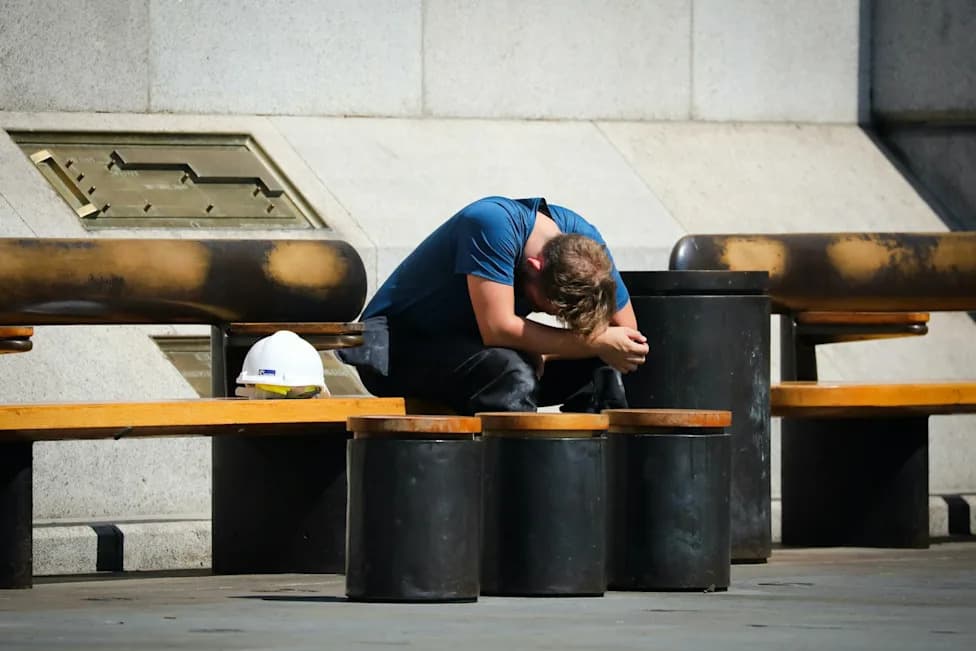
- Workplace safety: Rising heat increases occupational hazards, particularly for outdoor and manual workers, and raises gendered risks in some sectors.
- Mental health: Studies, including research noted by The Lancet, document rising anxiety among young people about the future.
- Threshold risks: Prominent scientists, including James Hansen, have warned that continued warming could push the climate toward more dangerous tipping points.
- Economic and supply-chain shocks: Disruptions to agriculture, transport and energy systems increase costs and vulnerability across societies.
Khan and Bastani’s message is stark but pragmatic: climate change poses systemic risks that will touch virtually everyone in one way or another. That means collective action—stronger mitigation to cut emissions, robust adaptation to protect communities and infrastructure, and structural policies that reduce vulnerability—is essential. Individual wealth can help in specific cases, but it is not a substitute for public planning and global cooperation.
Reporting note: The conversation appeared on Novara Media's Downstream show and was shared by the outlet on Instagram.
Help us improve.