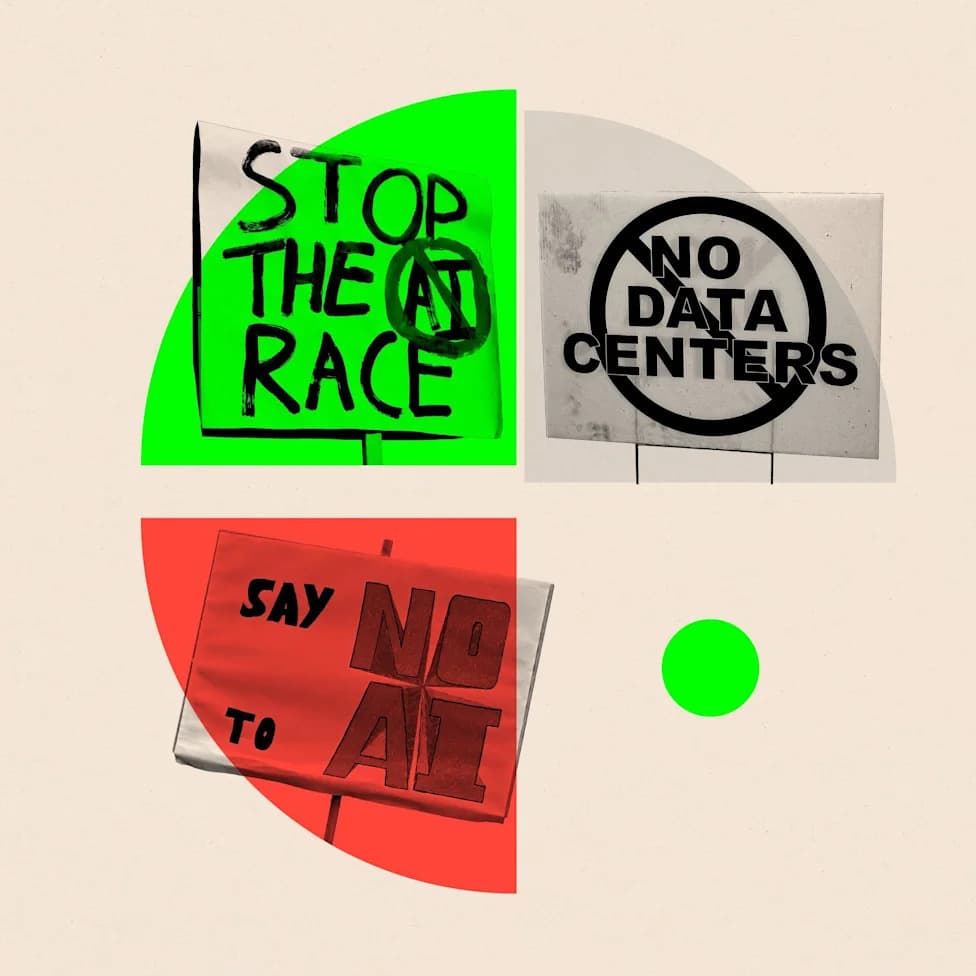
More than 200 planned or under-construction data centers sit inside dozens of battleground House districts, and 40 of 69 competitive seats already face new projects. Local backlash over rising electric bills, water use, land loss and tech influence is fueling campaign ads, ballot fights and policy proposals. National party messaging is inconsistent, leaving local candidates to balance economic promises, industry pressure and community concerns.
Data Centers Become a Midterm Flashpoint: 40 of 69 Battleground Districts Face New Projects
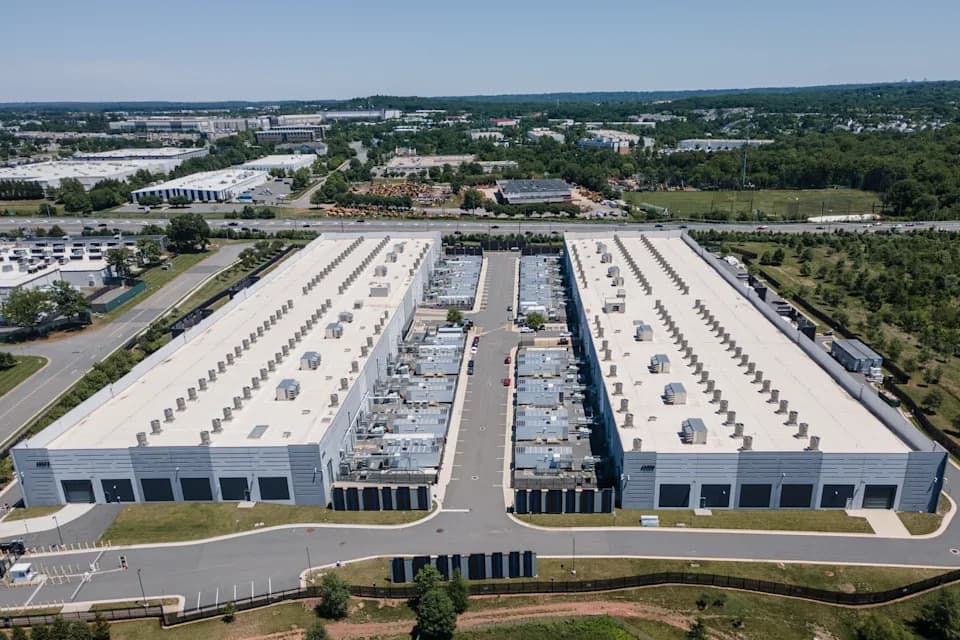
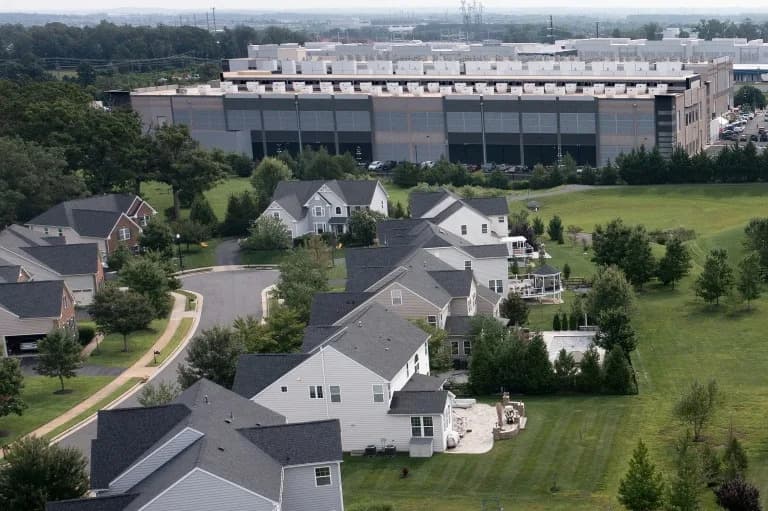
Virginia is the historical epicenter of data center development in the US.Lexi Critchett/Bloomberg via Getty Images
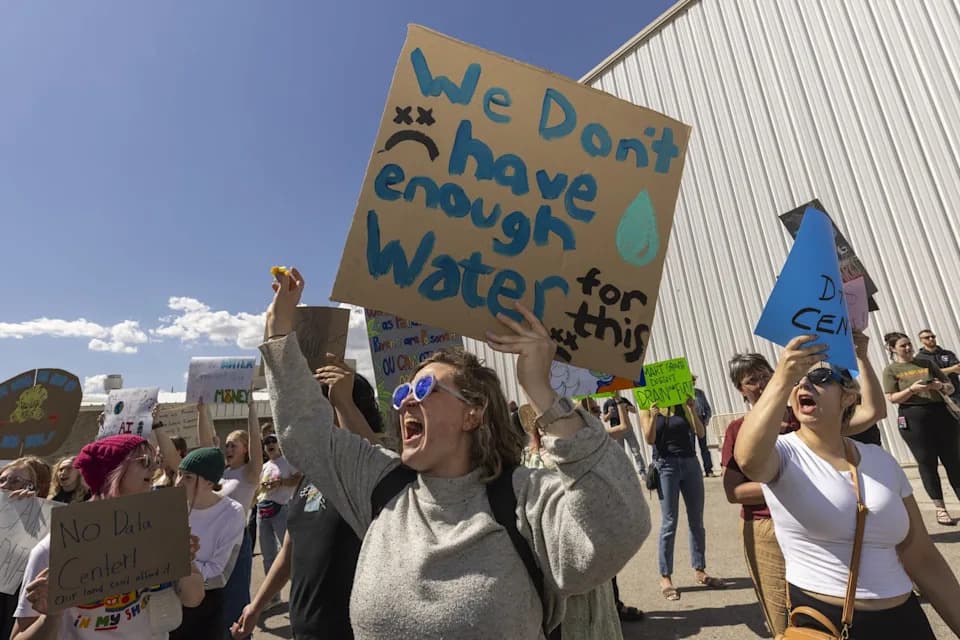
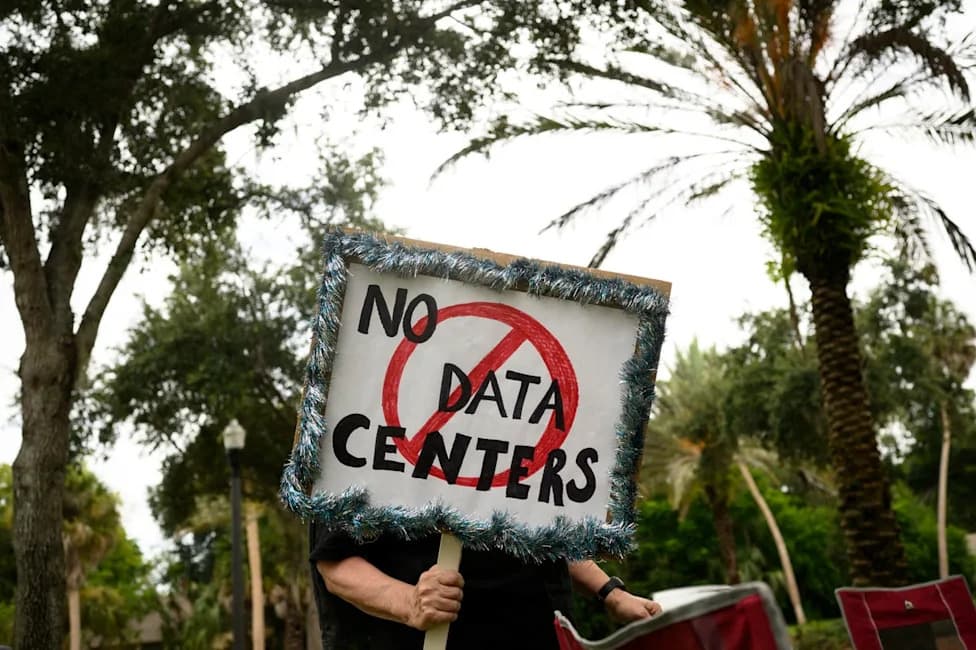
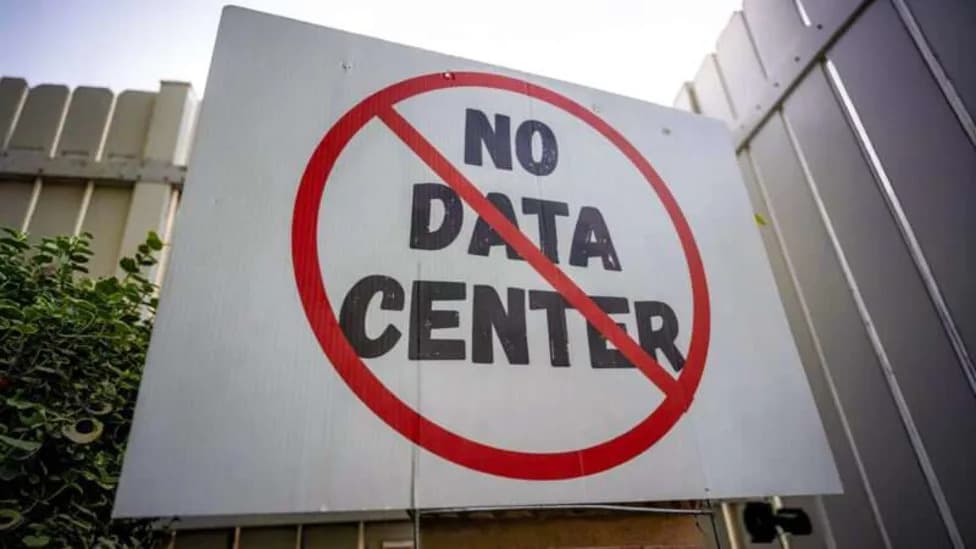
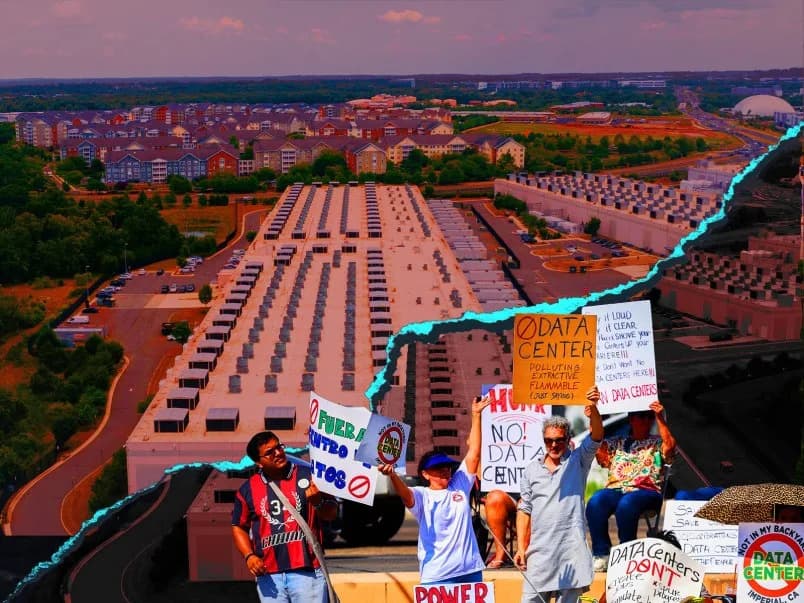
The rapid buildout of energy-hungry data centers tied to artificial intelligence is emerging as a persistent political headache ahead of the U.S. midterms. More than 200 planned or under-construction data centers sit inside dozens of competitive House districts, and local backlash over electricity costs, water use, farmland loss and tech influence is shaping campaigns in multiple states.
Why Data Centers Matter Politically
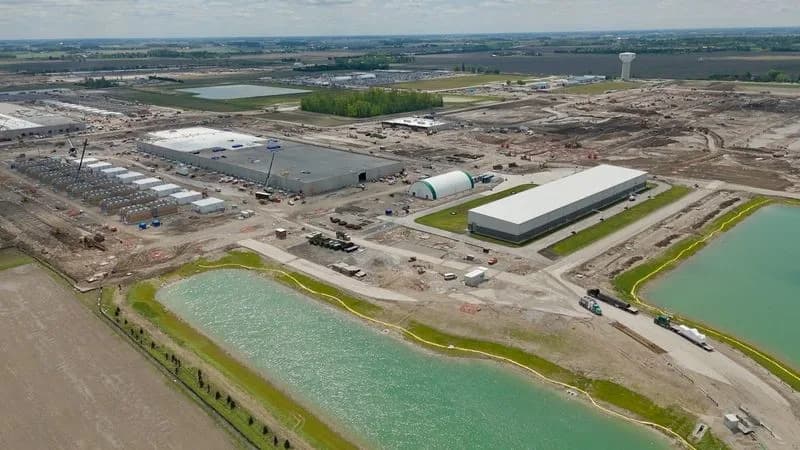
POLITICO's analysis of Data Center Map data found that 40 of 69 competitive House districts have at least one data center planned or under construction. Nationwide, investors and operators have roughly 1,500 new facilities planned or being built across 232 congressional districts, while more than 2,500 data center sites already operate in 373 districts.
Those facilities range from dense clusters in Northern Virginia to industrial corridors across the Midwest. The largest “hyperscale” centers—typically owned by major tech companies—consume the most power, and projects in development would increase hyperscalers' share by about 74%.
Local Backlash, National Ambivalence
Community opposition has already halted or paused projects in several states. In Wisconsin, four proposals were canceled and another paused after public pushback, according to Healthy Climate Wisconsin. Opponents cite higher electric bills (from grid upgrades and added demand), heavy water use, conversion of farmland or industrial land, and the outsized influence of tech companies in local decisions.
“The public opposition that is arising, it's spontaneous combustion coming up from the grassroots,” said Rep. Marcy Kaptur, who is defending a seat in a district with an Aligned Data Centers project.
National political messaging remains fragmented. Interviews with more than 20 candidates, strategists and activists show local campaigns are largely left to craft positions that balance job promises and economic development against constituent concerns about rates and environmental impacts.
Policy Responses and Political Risks
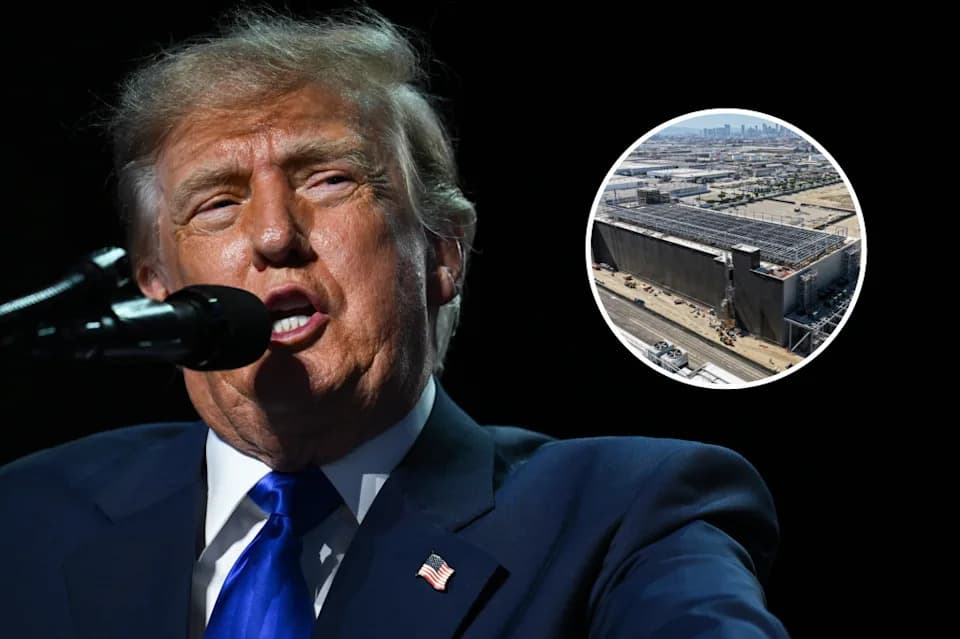
The White House in March secured a non-binding "ratepayer protection pledge" from major technology companies to limit strain on consumer electricity rates. Meanwhile, lawmakers have proposed competing federal responses: Sen. Josh Hawley introduced the GRID Act, Rep. Suhas Subramanyam proposed the Data Infrastructure Risk Reduction Act, and a progressive plan from Sen. Bernie Sanders and Rep. Alexandria Ocasio-Cortez would impose a federal moratorium on new data center construction.
Some lawmakers argue zoning and permitting should remain local, while others emphasize economic and national-security benefits. That split creates political risk: candidates seen as too friendly to tech may face voter anger or targeted attack ads, while those who oppose projects risk losing industry support and donor funding.
Industry, Activists, And The Ground Fight
The Data Center Coalition supports the White House pledge and says companies want to educate officials about impacts and mitigation. Industry officials stress that many concerns can be managed with proper siting and cost-sharing arrangements for grid upgrades.
Environmental and community activists counter that ratepayer pledges don't address all local harms, citing water quality, air pollution and public-health concerns. In Memphis, for example, opponents of an xAI center say methane-burning operations associated with the site are equivalent to powering hundreds of thousands of homes, prompting independent pollution monitoring by community groups.
Data And Methods
POLITICO's district-level analysis combined Data Center Map, geocod.io and public records, using automation and manual verification against U.S. Census data. Data Center Map's dataset is current as of April 30 and classifies centers listed as "planned" or "under construction" as "upcoming." The repository is not exhaustive and excludes government-owned centers. When facility addresses were approximate, ZIP codes were used; sites without sufficient location data were excluded from district-level counts. Population calculations within five miles used only facilities with precise addresses.
Contributors: Pavan Acharya and Sean McMinn.
Help us improve.