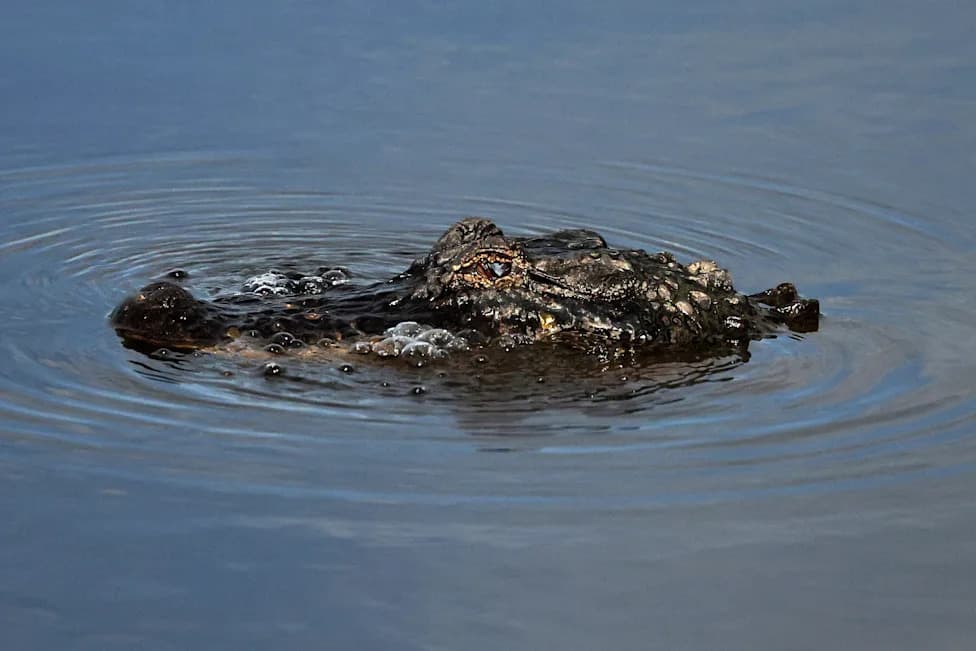
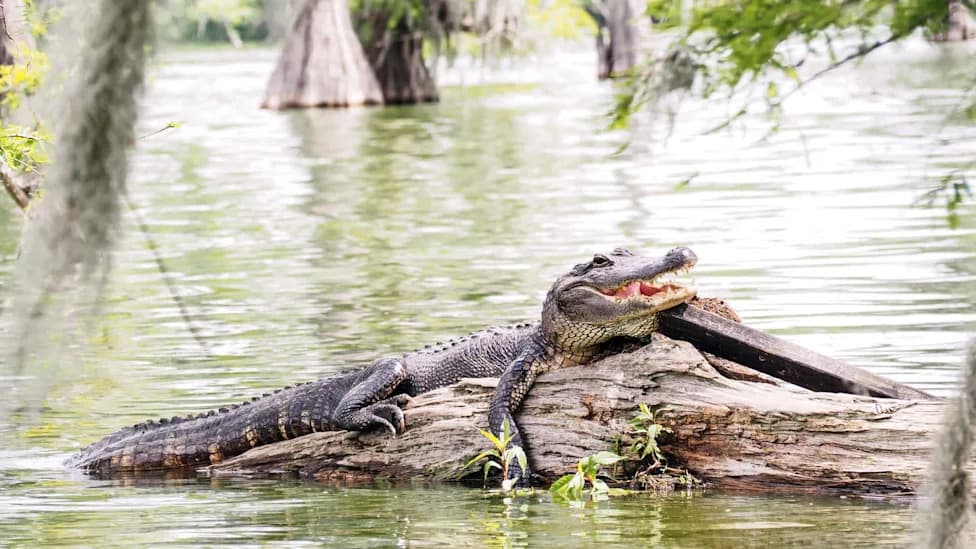
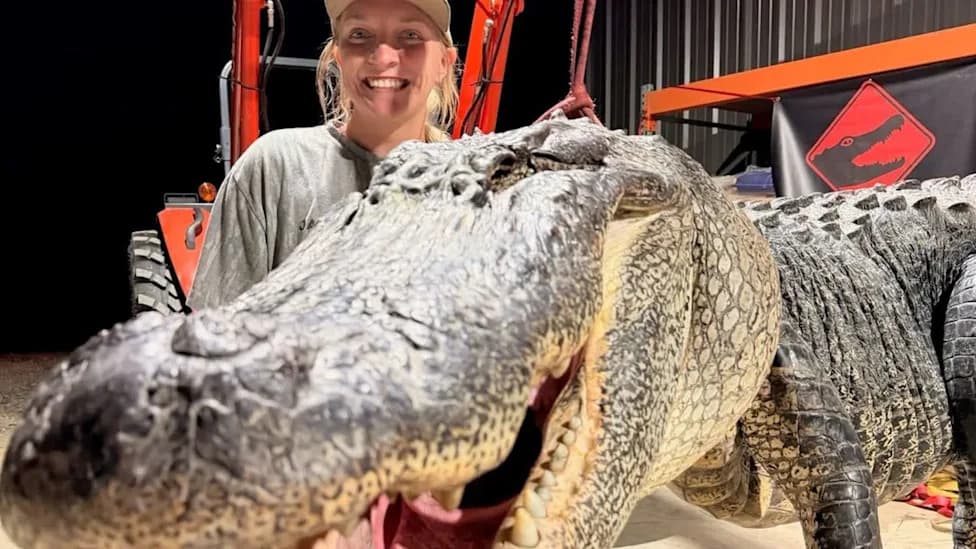
The University of Florida reviewed nearly 500 alligator incidents since 1948 and found 96% involved risky human behavior rather than unprovoked attacks. Most bites occurred after people entered waters where alligators live, and activity rises during mating season through June. Officials urge staying in posted swimming areas, never feeding alligators, and closely supervising children and pets near freshwater shorelines.
Study: 96% Of Florida Alligator Attacks Linked To Risky Human Behavior — How To Reduce Your Risk
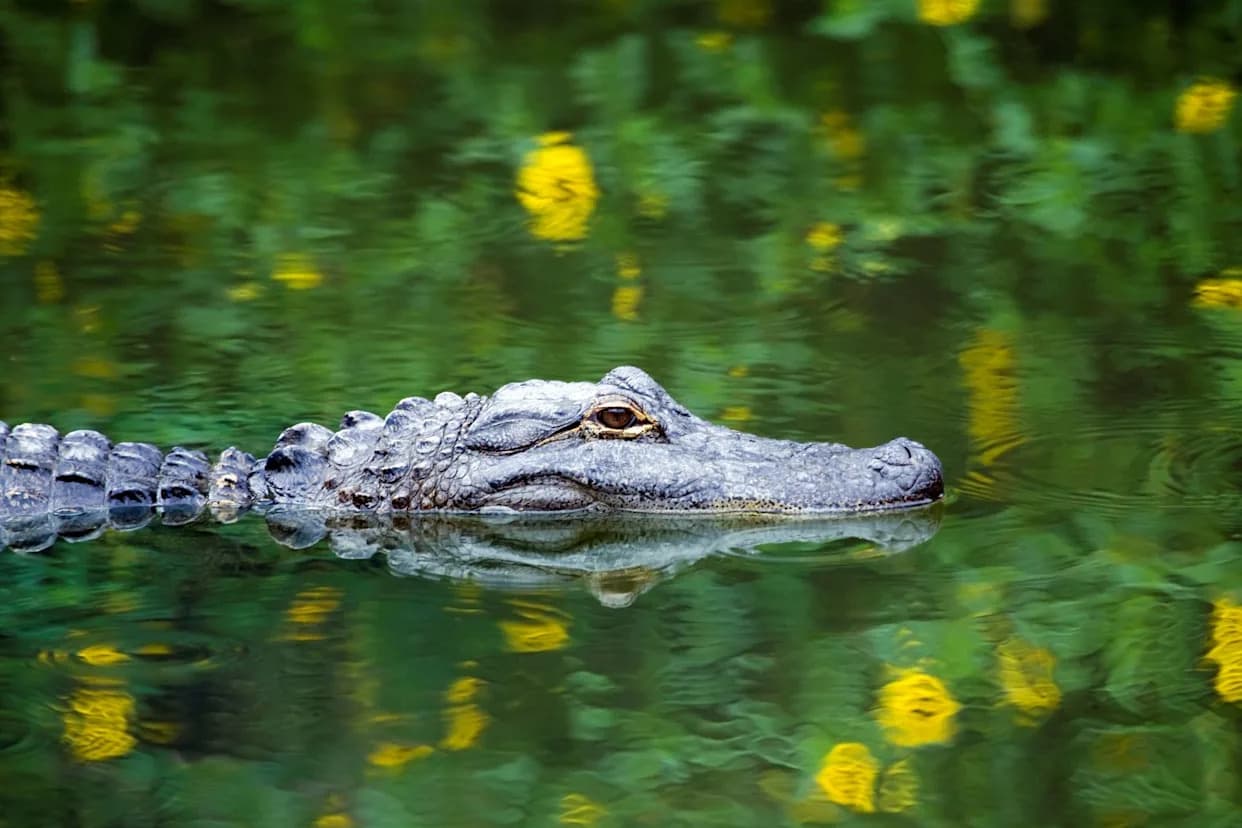
Photo Credit: iStock
A University of Florida review is reframing how experts and the public understand alligator attacks in Florida. Examining nearly 500 reported incidents dating back to 1948 — about 30 of them fatal — researchers found that 96% of encounters involved what they classified as "risky human behavior." That finding shifts the focus from random aggression by animals to the circumstances and choices that precede most attacks.
Key Findings
Researchers, as reported by ClickOrlando, found bites were far less common when people stayed on land or remained close to shore. Most incidents occurred after people entered waters known to be alligator habitat. Actions such as entering the water, splashing, or otherwise moving through gator territory can provoke defensive responses or trigger hunting behavior.
The study’s timing is important: Florida’s alligator mating season runs through June, when animals can be more active and territorial. That heightened activity can increase the chance of an encounter when people enter or approach waterways.
Everyday Situations Linked To Attacks
Investigators found that many recorded fatalities and injuries involved ordinary activities: swimming, snorkeling, trying to retrieve items from the water, walking dogs near shorelines, or gardening along the water’s edge. The researchers emphasize that these were often avoidable incidents tied to human choices around lakes, canals, ponds, and other freshwater shorelines.
Practical Safety Advice
The study does not suggest alligators are harmless. Rather, it shows people have substantial control over reducing risk through behavior changes. Officials and the University of Florida recommend the following:
- Do not swim outside posted swimming areas.
- Never feed wild alligators. Feeding is illegal in Florida and conditions animals to associate people with food.
- Prefer daytime activities near water. Alligators are typically more active at night.
- Keep children and pets under close supervision near any freshwater shoreline; small pets can resemble prey.
- Avoid entering or splashing in waters known to be alligator habitat.
Awareness and simple behavioral adjustments — staying on land, observing posted warnings, supervising children and pets, and avoiding feeding wildlife — can substantially reduce the chances of a tragic encounter.
Knowing that alligators may be present — and changing how you behave around water — is the most effective step individuals can take to stay safe.
Help us improve.