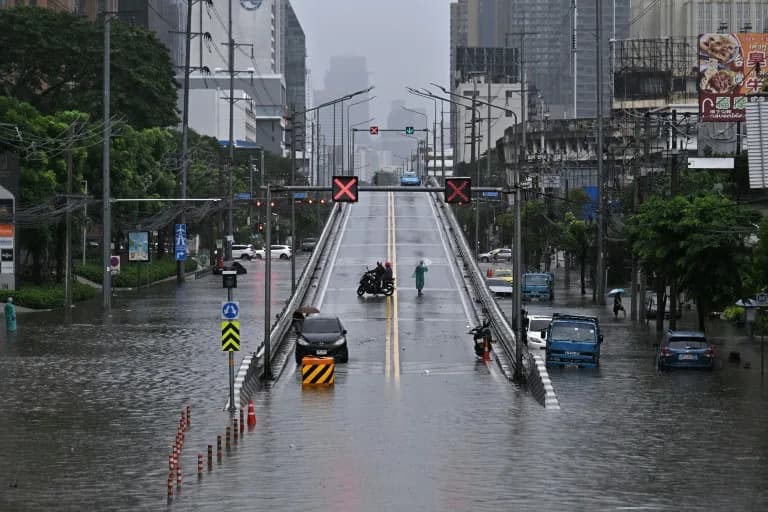
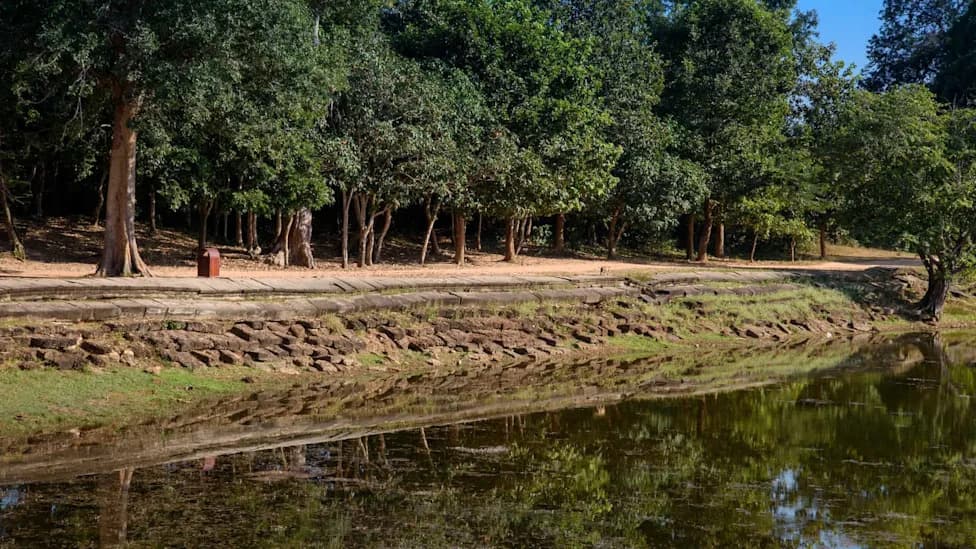
More than 600 residents, including monks and students, marched roughly 42 miles over six days from Tha Ton to Chiang Rai to demand government action on toxic metal pollution in northern Thai rivers. Mongabay and local health authorities report unsafe levels of arsenic, mercury and cadmium in water, fish and sediment, and arsenic was detected in two nearby residents. A rapid assessment of 424 people found 70% changed water use; some households now pay up to 2,600 baht/month for clean water and many farmers earning about 5,000 baht/month face severe financial strain.
Over 600 Thais March 42 Miles Demanding Action After Toxic Metals Found in Rivers
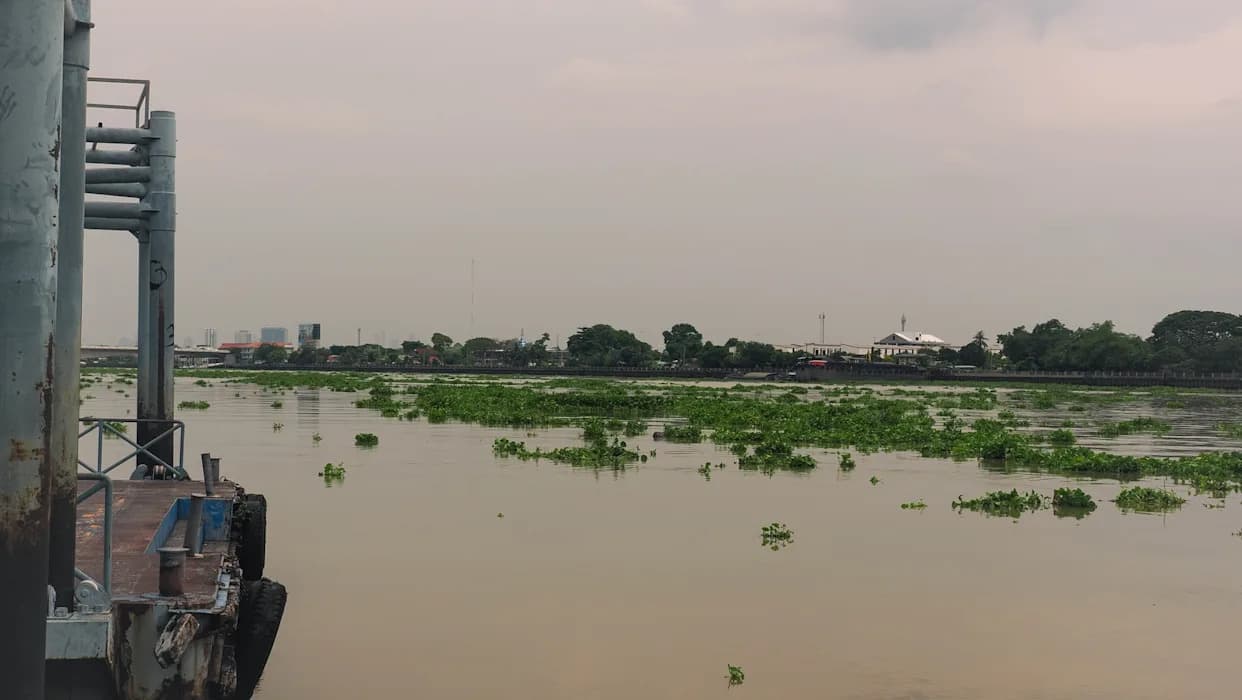
Photo Credit: iStock
More than 600 residents in northern Thailand completed a six-day march of roughly 42 miles (from Tha Ton to Chiang Rai) to press the government to act on toxic metal contamination in regional waterways.
Why They Marched
Organised by the Rivers and Rights Foundation, participants — including monks, students and civil society groups from Chiang Mai and Chiang Rai — said the march aimed to share information, document environmental and health damage, and increase pressure on officials to respond faster. Pianporn Deetes, the foundation's executive director, summed up the protesters' concerns:
"We are walking because our rivers are slowly dying."
Evidence of Contamination and Health Risks
Reporting by Mongabay over the past year found unsafe concentrations of arsenic, mercury, cadmium and other metals in rivers across northern Thailand. Thai health authorities have already detected arsenic in two residents living near the Kok River, and tests have identified heavy metals in water, fish and river sediment across connected systems.
Human and Economic Impacts
A rapid health assessment of 424 people in Chiang Mai and Chiang Rai found that 70% had changed how they use water because of contamination. Some households now spend up to 2,600 baht (about $80) per month to secure safe water, and nearly two-thirds reported income losses tied to the pollution.
Lower-income farming families are particularly hard hit: many farmers earn roughly 5,000 baht (about $150) per month yet must spend substantial sums to obtain clean water, compounding health worries with severe financial strain.
Government And International Response
The Chinese embassy acknowledged the demonstration in a Facebook post; in a Mongabay translation it said: "The Chinese government has always placed utmost importance on protecting the environment and ecosystem." Critics, however, have pointed to the role of rare-earth mining in neighbouring Myanmar and China's imports of those materials as possible contributors to pollution that flows downstream into Thailand.
What Protesters Are Asking For
Marchers and organisers are calling for faster, transparent investigations, remediation of contaminated waterways, healthcare screening for affected communities, and financial support for families facing extra water costs and lost income.
Source: Mongabay reporting and statements from local organisers and Thai health authorities.
Help us improve.