The White House says it wants more doctors, but recent immigration measures have reduced the inflow of foreign-trained physicians who historically make up a significant share of the U.S. medical workforce. A National Foundation for American Policy study found that over 26% of U.S. physicians are foreign born. Since May 2025 the administration paused J-1 visa issuance, restricted entry from 39 countries, imposed (and faced a court challenge to) a $100,000 H-1B fee, and paused adjudications for applicants from those countries. Advocates say exempting physicians from visa caps and expanding waiver programs could help ease shortages while domestic training capacity is expanded over the next decade.
White House Wants More Doctors — But Immigration Policies Are Cutting Off the Supply
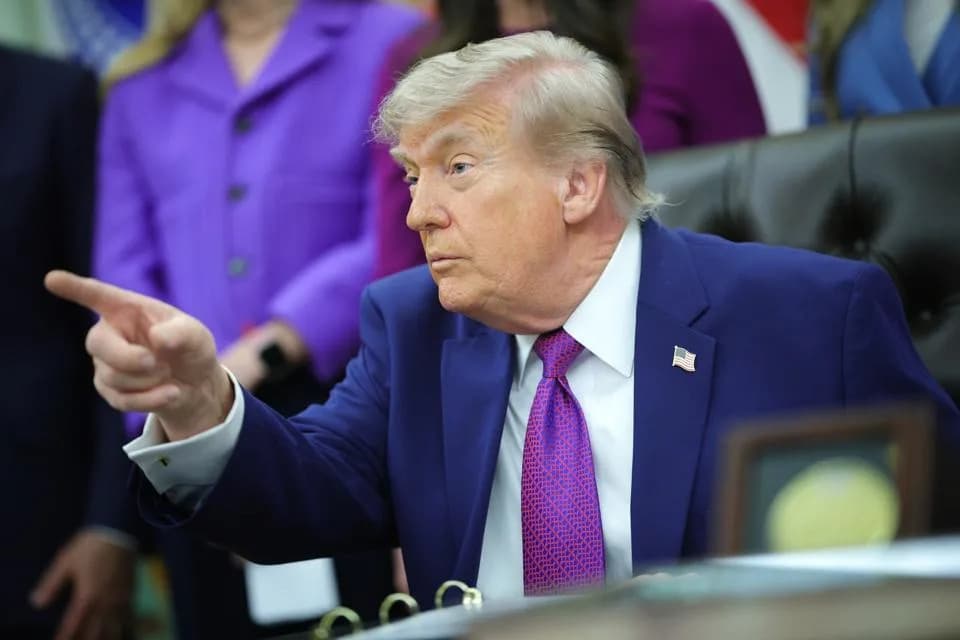
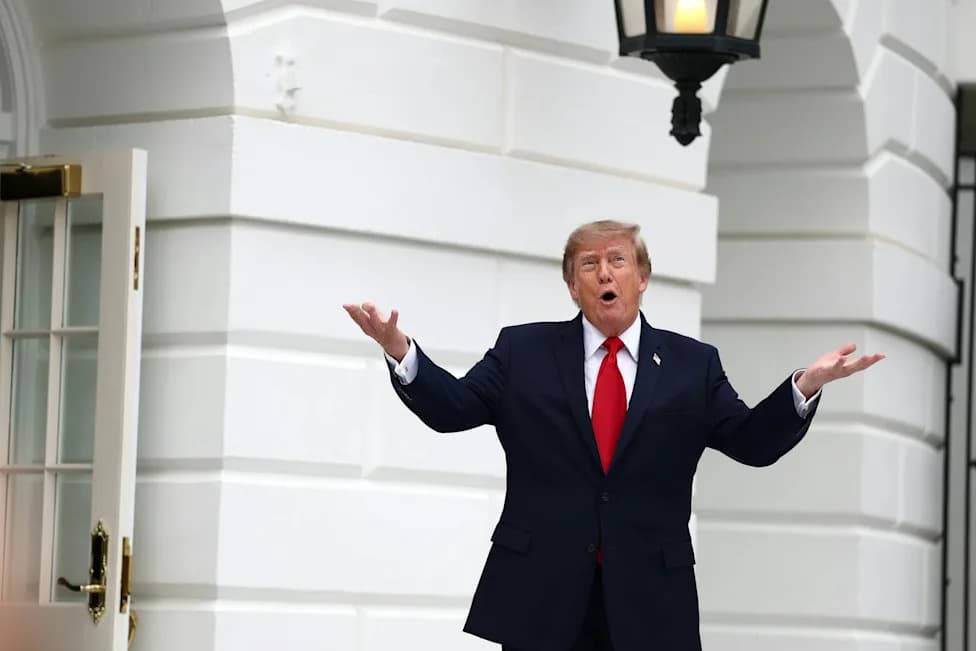
Donald Trump answers a question from a reporter during an event on maternal healthcare in the White House on May 11, 2026. The Trump administration says it wants more physicians, but its immigration policies have reduced the flow of doctors to the United States. (Photo by Kevin Dietsch/Getty Images)Getty Images
The White House has repeatedly said it wants to increase the number of physicians available to Americans, but a series of recent immigration actions under the Trump administration have reduced the flow of foreign-trained doctors into the United States.
Policy Goals Versus Immigration Actions
Administration officials argue that a larger physician workforce would help lower health-care costs and improve patient outcomes. Economic research supports the idea that more doctors can ease costs and improve quality, yet immigration measures adopted over the past year have tightened the channels that historically supplied a substantial share of the U.S. physician workforce.
How Foreign Doctors Have Supported U.S. Health Care
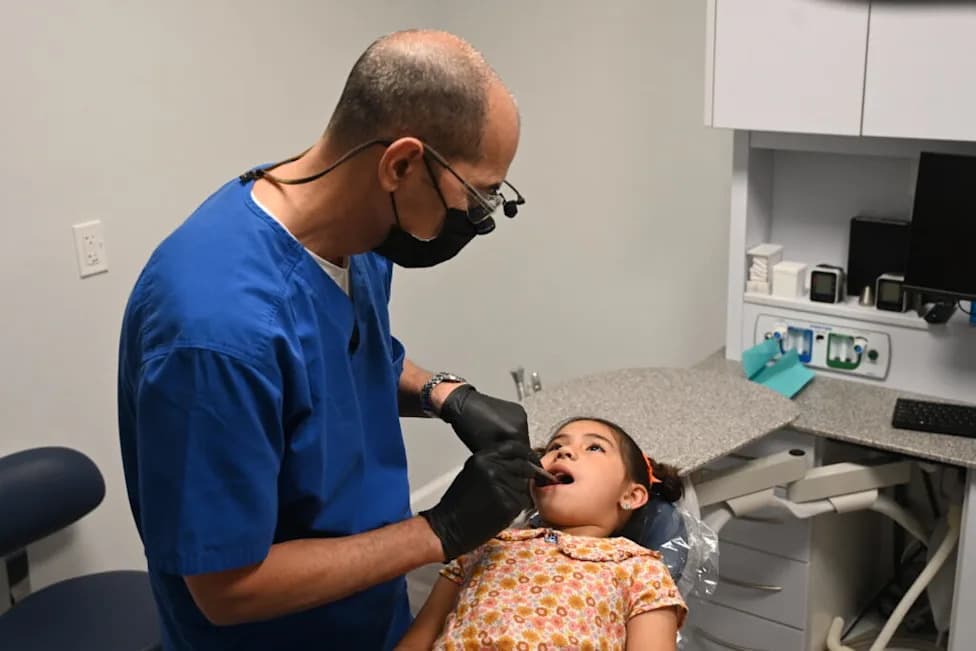
A study from the National Foundation for American Policy by University of North Florida economist Madeline Zavodny found that more than 26% of U.S. physicians and surgeons are foreign born. Many of these clinicians arrive as international medical graduates and enter U.S. residency and fellowship programs on J-1 visas or come on H-1B visas.
Key Immigration Actions That Affected Physician Supply
Over roughly a year, the administration pursued multiple actions that limit foreign physicians’ ability to train and practice in the U.S.:
- May 2025: A pause on issuance of J-1 visas and related categories that are the primary route for international medical graduates to enter U.S. residency programs.
- Two Proclamations: Bans on entry from 39 countries — analysts say six or seven of those countries, including Nigeria, are notable sources of foreign-trained doctors.
- September 2025: Imposition of a $100,000 fee on new H-1B entries, a charge hospitals — particularly in rural areas — said would make hiring foreign physicians prohibitively expensive. On June 8 a federal judge issued a nationwide ruling that struck down the fee; the administration has signaled it will appeal.
- USCIS Adjudication Pause: USCIS director Joseph Edlow issued guidance pausing adjudication of applications from the 39 restricted countries; a federal court later found that pause unlawful. USCIS then said it would allow processing for physicians already inside the country, but litigation and appeals remain likely.
“We’re now in a perfect storm when it comes to the physician shortage,” said Greg Siskind, a health-care immigration lawyer at Siskind Susser. He cited an aging American population, an aging physician workforce, reduced average physician work hours and rising demand driven by medical advances.
Why This Matters Now
Foreign-trained physicians are disproportionately represented in rural and underserved communities, where they often provide essential services. Restrictions on visas and adjudication can therefore have an outsized impact on access to care in areas already struggling to attract and retain clinicians.
Policy Options Advocates Recommend
Experts and advocates say immigration policy could help relieve physician shortages in the near- and medium-term if the administration or Congress were willing to take targeted steps. Potential measures include:
- Ending or reversing the J-1 pause and rescinding the country-based entry restrictions.
- Exempting physicians from H-1B caps and employment-based green-card limits or providing a streamlined track for medical professionals.
- Recognizing residency training completed in comparable systems (for example in Canada or EU countries) and expanding J-1 waiver programs such as Conrad 30 that incentivize service in underserved areas.
- Investing substantially in U.S. medical education and residency capacity — a longer-term solution that could take 10–15 years to materialize.
While the White House has promoted other initiatives, including an April Council of Economic Advisers report claiming progress on access and affordability, advocates say those plans fall short if immigration rules continue to restrict the supply of foreign-trained clinicians who currently staff many hospitals and clinics.
Originally published on Forbes.com.
Help us improve.